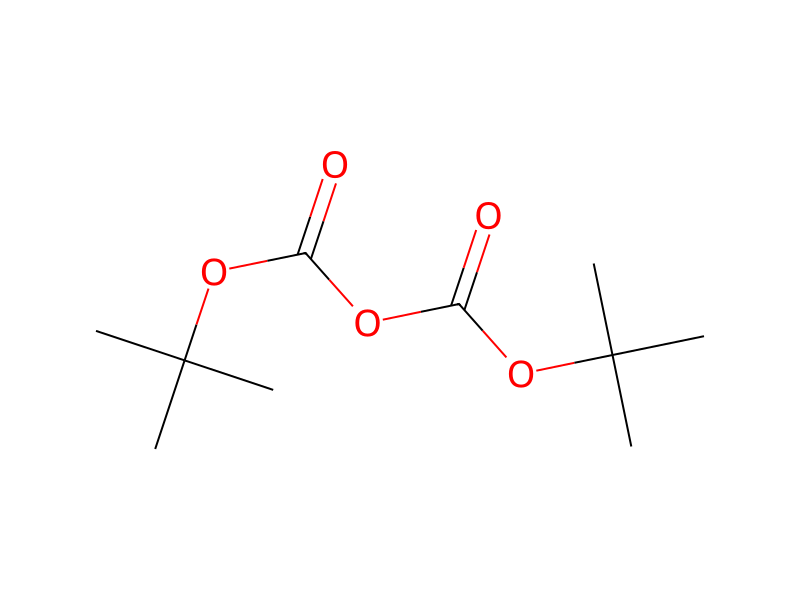
A solution of 100 mg (0.38 mmol) of 2(R or S)-[1(R or S)-amino-2-methylpropyl]-2,3-dihydro-1H-pyrrolo[1,2-a]indole hydrochloride (diastereomer A) in 30 ml of dichloromethane was treated with 110 mg (0.5 mmol) of di-tert.butyldicarbonate and 100 mg (1 mmol) of triethylamine and stirred for 72 hours. The solution was washed in succession with 30 ml of 1M hydrochloric acid and 30 ml of saturated aqueous sodium bicarbonate and then dried over magnesium sulfate. After filtration, concentration of the filtrate under reduced pressure and purification of the residue by flash chromatography using diethyl ether/petroleum ether (b.p. 40°-60° C.) (1:2) for the elution gave 100 mg of tert.butyl [1(R or S)-[2,3-dihydro-1H-pyrrolo[1,2-a]indol-2-(R or S)-yl]-2-methylpropyl]carbamate (diastereomer A) in the form of an oil.