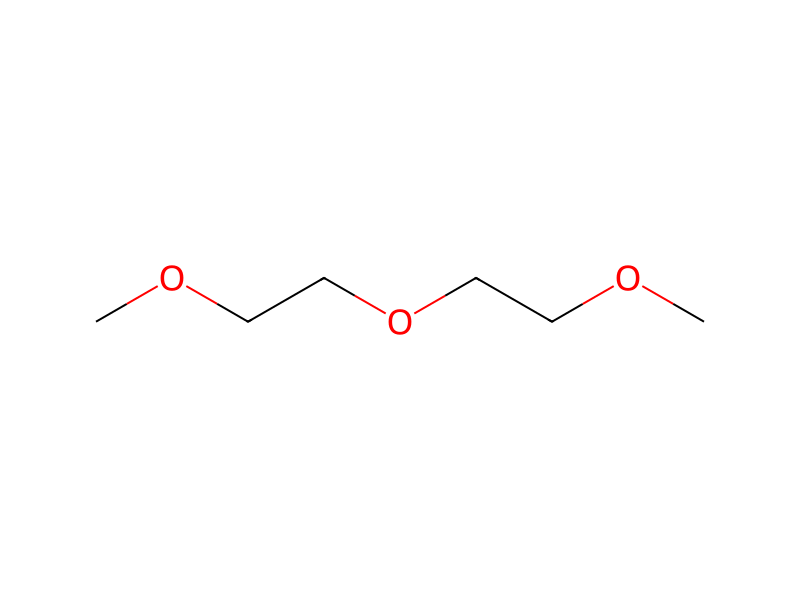
[B:1]#B.[BH4-].[Na+].[CH2:5]([S:10][CH2:11][CH2:12][CH:13]([CH3:15])[CH3:14])[CH2:6][CH:7]([CH3:9])[CH3:8]>COCCOCCOC>[BH3:1].[CH2:11]([S:10][CH2:5][CH2:6][CH:7]([CH3:9])[CH3:8])[CH2:12][CH:13]([CH3:14])[CH3:15]Diborane generated as described in Example 6 was passed through a bubbler containing sodium borohydride (0.1 g) in diglyme (5 ml) and a trap cooled to -78° C. was absorbed in neat diisoamyl sulfide (8.67 g, 50 mmol) at 0° C. Excess diborane was absorbed in the next bubbler containing tetrahydrofuran (10 ml) over mercury and cooled in ice water. A mercury bubbler was connected to the exit. Diborane was passed into the sulfide until the concentration of borane in THF reached 1M. Borane-diisoamyl sulfide, a colorless liquid, was stirred overnight at room temperature prior to disconnecting the bubblers and then analyzed for active hydride by a standard procedure using a water-glycerol-methanol 1:1:1 hydrolyzing mixture. Concentration 4.2M, 11B NMR, δ, -22.5 ppm.