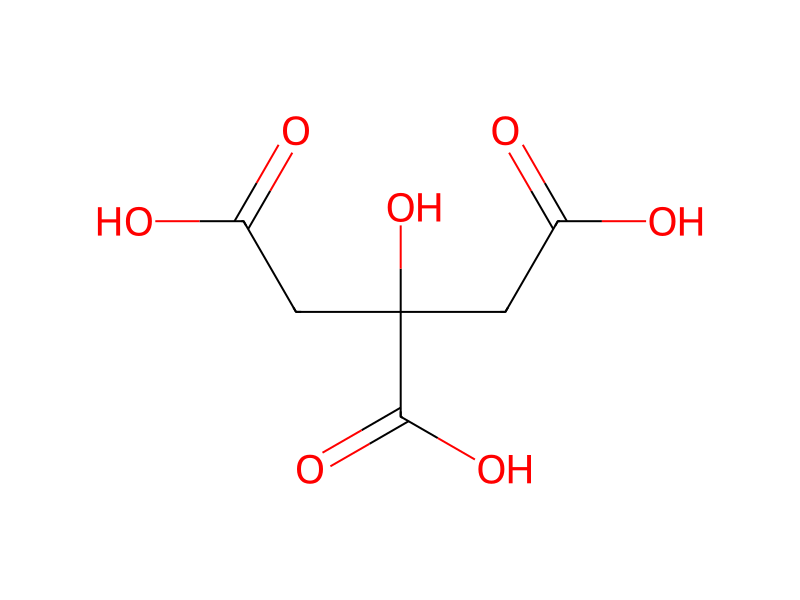
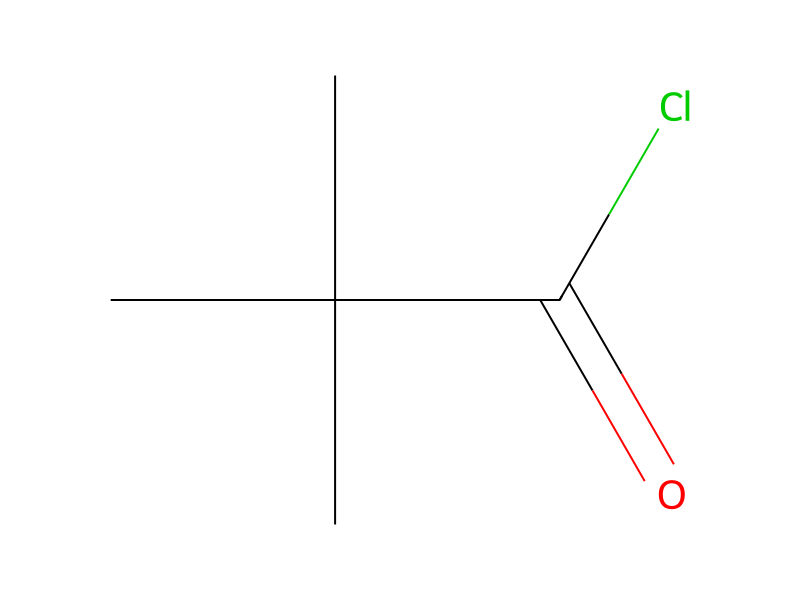
[C:1]1([C:14]2[CH:19]=[CH:18][CH:17]=[CH:16][CH:15]=2)[CH:6]=[CH:5][C:4]([CH2:7][C@H:8]2[NH:12][C:11](=[O:13])[CH2:10][CH2:9]2)=[CH:3][CH:2]=1.C(N(CC)CC)C.[C:27](Cl)(=[O:32])[C:28]([CH3:31])([CH3:30])[CH3:29].C(O)(=O)CC(CC(O)=O)(C(O)=O)O>C1(C)C=CC=CC=1>[C:1]1([C:14]2[CH:15]=[CH:16][CH:17]=[CH:18][CH:19]=2)[CH:2]=[CH:3][C:4]([CH2:7][C@H:8]2[N:12]([C:27](=[O:32])[C:28]([CH3:31])([CH3:30])[CH3:29])[C:11](=[O:13])[CH2:10][CH2:9]2)=[CH:5][CH:6]=1(S)-5-biphenyl-4-ylmethylpyrrolidin-2-one (1-a, R1=H) (100 g, 398 mmol) and triethylamine (166 ml, 1.2 mol) are added to toluene (1 L) at room temperature. The mixture is heated to 60° C. Pivaloyl chloride (73.5 ml, 597 mmol) is added over 2 h. After a further 1 h, citric acid solution (237 g in 1 L) is added and the phases are separated. The water phase is washed with toluene (0.5 L). The organic portions are combined, washed with water (0.5 L) and then dried (MgSO4). The mixture is concentrated in vacuo. The residue is suspended in heptane (550 ml) and is heated to reflux. The mixture is then cooled to room temperature. After 1 h, the mixture is cooled to 0° C., and then filtered to give (S)-5-biphenyl-4-ylmethyl-1-(2,2-dimethylpropionyl)pyrrolidin-2-one (1, R1=pivaloyl)