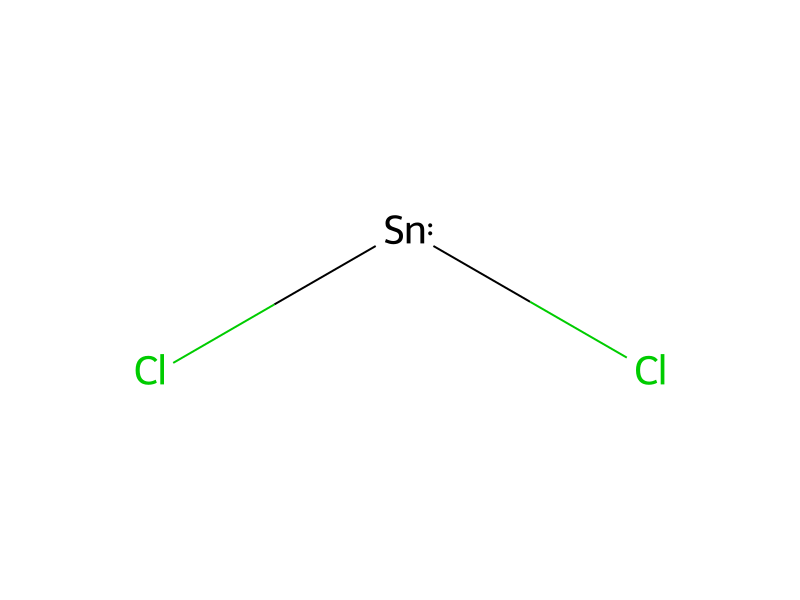
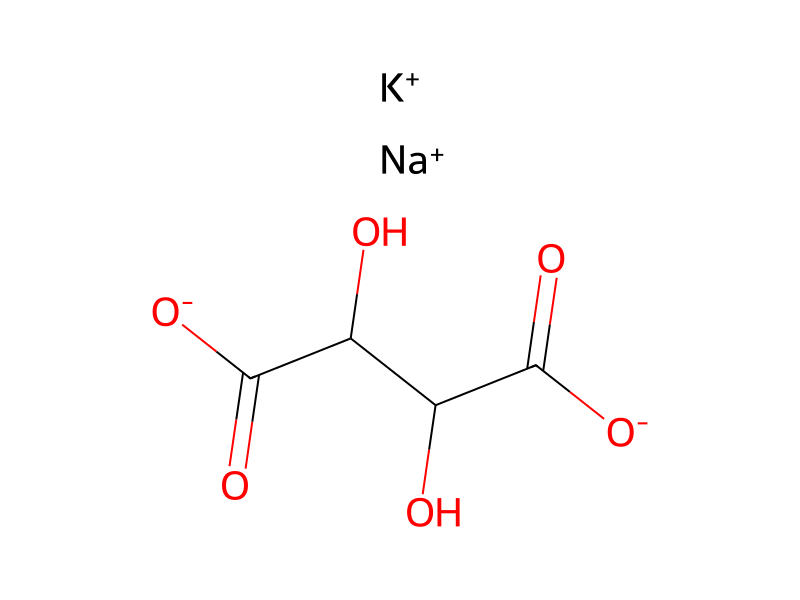
[Sn](Cl)Cl.[CH2:4]([O:11][C:12]1[C:17]([Cl:18])=[CH:16][C:15]([N+:19]([O-])=O)=[CH:14][C:13]=1[Cl:22])[C:5]1[CH:10]=[CH:9][CH:8]=[CH:7][CH:6]=1.C(C(C(C([O-])=O)O)O)([O-])=O.[K+].[Na+]>C(O)C.C(OCC)(=O)C.[Cl-].[Na+].O>[CH2:4]([O:11][C:12]1[C:13]([Cl:22])=[CH:14][C:15]([NH2:19])=[CH:16][C:17]=1[Cl:18])[C:5]1[CH:6]=[CH:7][CH:8]=[CH:9][CH:10]=1Tin(II) chloride (22 g, 98 mmol) was added to a stirring solution of 2-(benzyloxy)-1,3-dichloro-5-nitrobenzene (5.8 g, 19 mmol) in ethanol (80 mL), and the resulting suspension was heated to 70° C. After 1 h the mixture was cooled to room temperature and diluted with ethyl acetate (200 mL). The mixture was poured into brine (100 mL) and the resulting emulsion stirred with sodium potassium tartrate solution (200 mL). The mixture was extracted with ethyl acetate and the combined organic layers dried (MgSO4), filtered and concentrated in vacuo to afford 4-(benzyloxy)-3,5-dichloroaniline that was used directly in the next step without purification.