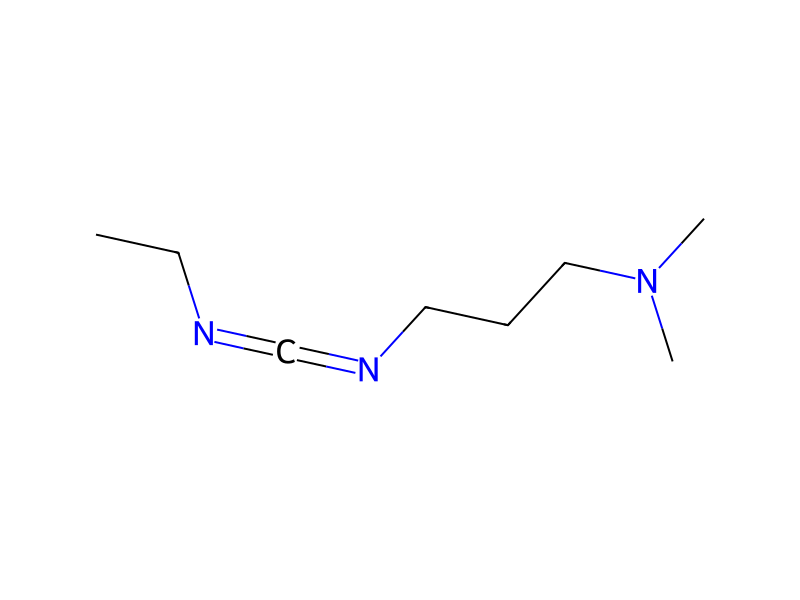
[C:1]([O:5][C:6]([NH:8][C@H:9]([C:13]([OH:15])=[O:14])[CH:10]([CH3:12])[CH3:11])=[O:7])([CH3:4])([CH3:3])[CH3:2].[N+:16]([C:19]1[CH:26]=[CH:25][C:22]([CH2:23]O)=[CH:21][CH:20]=1)([O-:18])=[O:17].CCN=C=NCCCN(C)C>C(Cl)Cl.CN(C)C1C=CN=CC=1>[N+:16]([C:19]1[CH:26]=[CH:25][C:22]([CH2:23][O:14][C:13](=[O:15])[C@H:9]([CH:10]([CH3:11])[CH3:12])[NH:8][C:6]([O:5][C:1]([CH3:3])([CH3:2])[CH3:4])=[O:7])=[CH:21][CH:20]=1)([O-:18])=[O:17]To a solution of N-(t-butoxycarbonyl)-L-valine (2.50 g, 11.5 mmol) in methylene chloride (125 ml) were added p-nitrobenzyl alcohol (3.52 g, 23.0 mmol), WSC (4.41 g, 23.0 mmol) and 4-dimethylaminopyridine (140 mg, 1.15 mmol) in an ice bath. The mixture was stirred at room temperature under an atmosphere of nitrogen for 4.5 hours. After checking the completion of the reaction, the reaction mixture was partitioned between ethyl acetate and saturated aqueous sodium chloride solution. The organic layer was dried over anhydrous sodium sulfate, filtered and concentrated under reduced pressure. The residue was purified by chromatography on a silica gel column using n-hexane:ethyl acetate (2:1) as the eluant to afford N-(t-butoxycarbonyl)-L-valine p-nitrobenzyl ester (3.07 g, yield 76%) as white crystals.