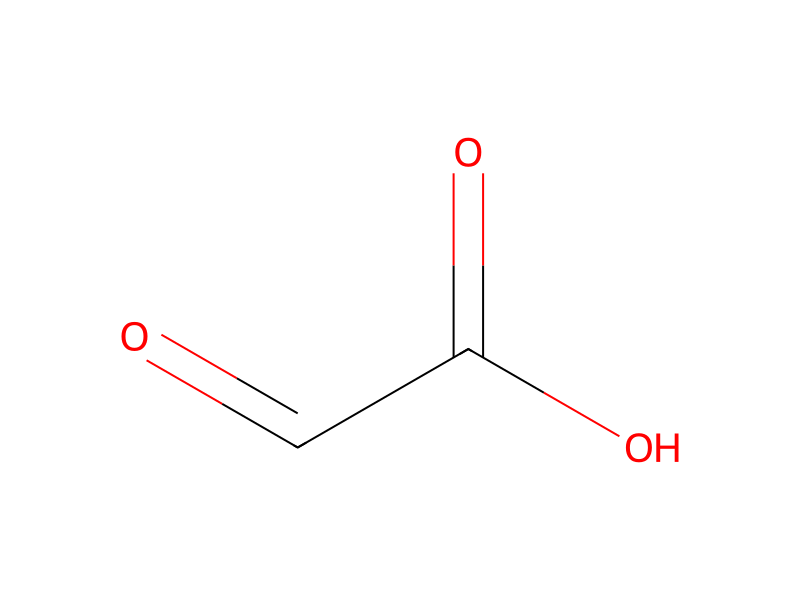
Glyoxylic Acid → N,N,N',N'-tetrakis(carboxymethyl)-L-cystine
HRID 891832
Reaktionsgleichung

[C:1]([OH:5])(=[O:4])[CH:2]=O.[CH2:6]([S:12][S:13][CH2:14][C@H:15]([NH2:19])[C:16]([OH:18])=[O:17])[C@H:7]([NH2:11])[C:8]([OH:10])=[O:9].B([O-])([O-])[O-]>>[C:1]([CH2:2][N:11]([CH2:2][C:1]([OH:5])=[O:4])[C@H:7]([C:8]([OH:10])=[O:9])[CH2:6][S:12][S:13][CH2:14][C@H:15]([N:19]([CH2:15][C:16]([OH:18])=[O:17])[CH2:7][C:8]([OH:10])=[O:9])[C:16]([OH:18])=[O:17])([OH:5])=[O:4]Komponenten
4


Versuchsvorschrift
The alternative route, relying on in solution phase synthesis of an intermediate product starts with addition of a large excess (40 times) of glyoxylic acid to L-cystine in an alkaline borate buffer. The intermediate product was thereafter, after pH manipulations and conductivity adjustment of the reaction mixture, purified with ion exchange chromatography to give N,N,N′,N′-tetrakis (carboxymethyl)-L-cystine.