p-Toluenesulfonic acid → HCID 178499021, Verbindung
HRID 892798
Reaktionsgleichung

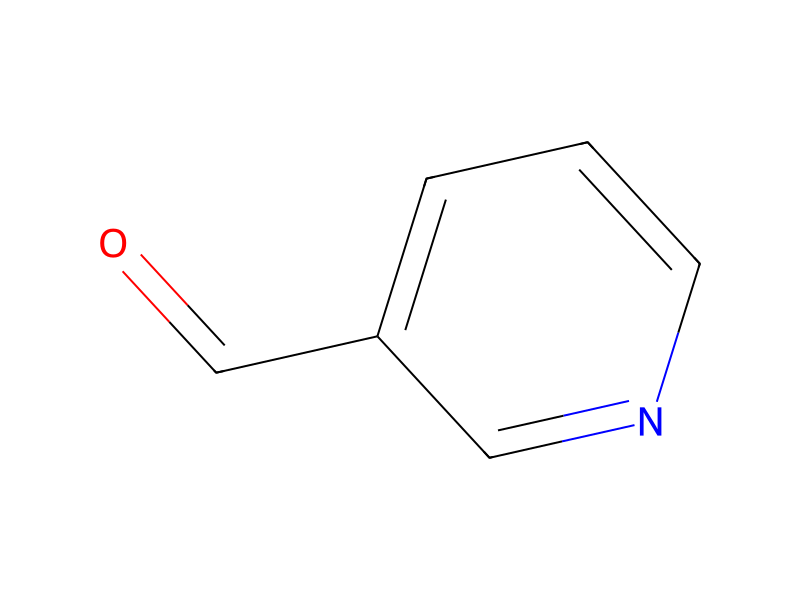
S[C:2](=[CH:7][SH:8])[C:3]([O:5][CH3:6])=[O:4].[N:9]1[CH:14]=[CH:13][CH:12]=[C:11](C=O)[CH:10]=1.C1(C)C=C[C:20]([S:23](O)(=O)=O)=CC=1>>[N:9]1[CH:14]=[CH:13][CH:12]=[C:11]([SH:23]2[CH2:20][CH:2]([C:3]([O:5][CH3:6])=[O:4])[CH2:7][S:8]2)[CH:10]=1Komponenten
4



Versuchsvorschrift
According to the foregoing reaction Scheme 2, 2,3-dibromopropionic acid (8) is treated with sodium bisulfide (NaSH) followed by esterification with HCl in methanol to give methyl 2,3-dimercaptopropenoate (9). This dithiol (9) is condensed with 3-pyridine carboxaldehyde in the presence of an acid catalyst, preferably p-toluenesulfonic acid, to afford methyl 2-(3-pyridinyl)-4-dithiolanecarboxylate (10). The dithiolane ester is hydrolyzed to the corresponding acid (11) by treatment with aqueous base, preferably lithium hydroxide. This acid is coupled to an amine (3) using a coupling agent such as dicyclohexylcarbodiimide or BOPCl (bis(2-oxo-3-oxazolidinyl)phosphinic chloride) to yield the amide 12. ##STR8##