Reaktionsgleichung

[CH2:1]([C:4]1[CH:9]=[CH:8][N:7]=[CH:6][CH:5]=1)[CH2:2][CH3:3].OO.C[Si]([C:16]#[N:17])(C)C.CN(C)C(Cl)=O>C(=O)([O-])[O-].[K+].[K+]>[CH2:1]([C:4]1[CH:9]=[CH:8][N:7]=[C:6]([C:16]#[N:17])[CH:5]=1)[CH2:2][CH3:3]Komponenten
Edukt 4

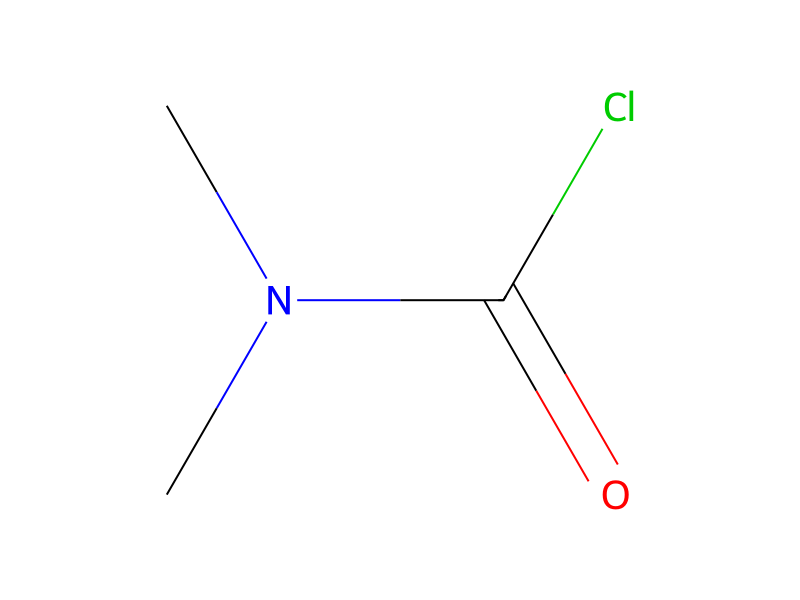


Produkt 1

Reagenzien, Katalysatoren, Lösungsmittel 1

Versuchsvorschrift
To 4-propylpyridine (TCI) (2.5 g, 20 mmol), 30% hydrogen peroxide (2.4 g) was added and refluxed overnight. The solvent was removed and the resulting residue was taken in DCM (30 mL). Trimethylsilyl cyanide (2.6 g, 26 mmol) was added to the above solution followed by dimethyl carbamyl chloride (2.8 g, 26 mmol) and left stirred at room temperature overnight. Potassium carbonate (10%, 100 mL) was added. The organic layer was separated, dried over sodium sulfate and then concentrated to obtain 4-propyl-2-cyanopyridine (2.5 g, 93%). It was then refluxed in hydrochloric acid (6N, 60 mL) for overnight. The 4-propylpyridinecarboxylic acid 10b (R9=n-Propyl) was obtained after crystallization from acetonitrile (2.0 g, 71%): MS (ESPOS): 166 [M+H]+; 1H NMR (300 MHz, CD3OD) δ 8.75 (dd, J=9.0, 3.0, 1), 8.42 (s, 1), 8.08 (dd, J=9.0, 3.0, 1), 3.00 (t, J=7.5, 2), 1.82 (m, 2), 1.05 (t, J=7.2, 3).
Aufarbeitung
- temperaturerefluxed overnight
- customThe solvent was removed
- waitleft
- customThe organic layer was separated
- dry with materialdried over sodium sulfate
- concentrationconcentrated
Quellen und Nachweise
- ORD-Eintrag
- ord-815de67fa2954e29bd3f3cd80a214e20
- Quelldatensatz
- uspto-grants-2008_04
- Patentnummer
- US07361743B2
Verknüpfte Notizen
Wird geladen…