Reaktionsgleichung

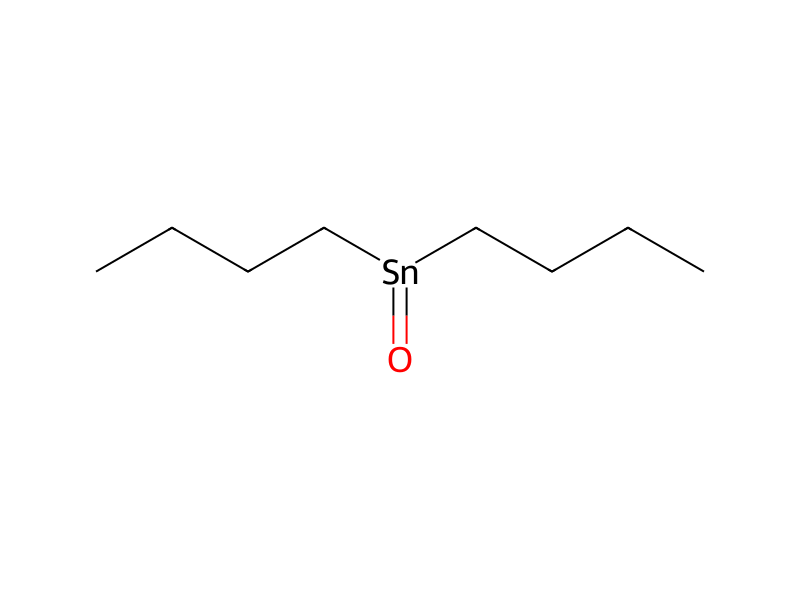
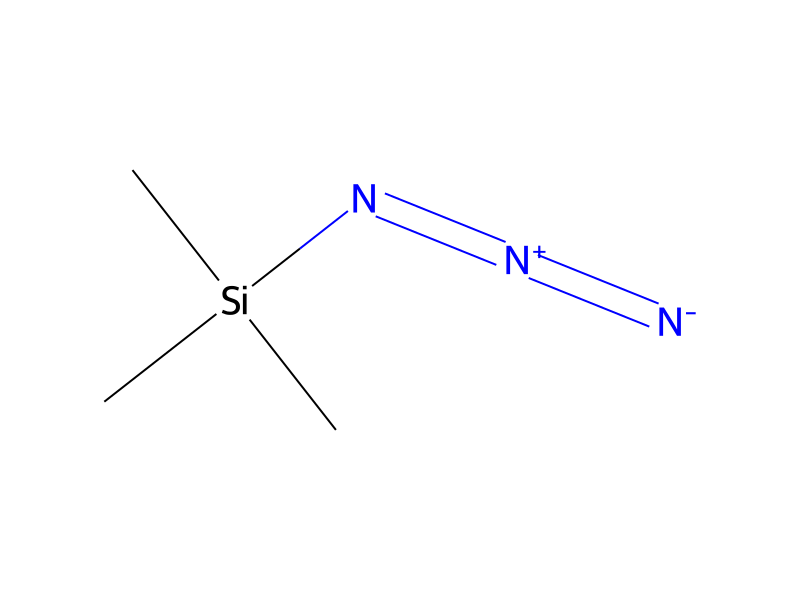
[CH2:1]([O:8][C:9]1[CH:10]=[C:11]([CH2:15][C:16]#[N:17])[CH:12]=[CH:13][CH:14]=1)[C:2]1[CH:7]=[CH:6][CH:5]=[CH:4][CH:3]=1.C[Si]([N:22]=[N+:23]=[N-:24])(C)C.C([Sn](=O)CCCC)CCC>C1(C)C=CC=CC=1>[CH2:1]([O:8][C:9]1[CH:10]=[C:11]([CH:12]=[CH:13][CH:14]=1)[CH2:15][C:16]1[NH:24][N:23]=[N:22][N:17]=1)[C:2]1[CH:3]=[CH:4][CH:5]=[CH:6][CH:7]=1Komponenten
5
Edukt 3

Produkt 1

Reagenzien, Katalysatoren, Lösungsmittel 1

Reaktionsbedingungen
- Temperatur
- 110 °C
Versuchsvorschrift
To a stirring solution of 3-benzyloxyphenylacetonitrile (2.0 g, 8.95 mmol) in toluene (17 ml) was added trimethylsilylazide (2.37 g, 17.9 mmol) and di-n-butyltin oxide (0.22 g, 0.9 mmol). The mixture was heated at 110° C. for 48 h, and was concentrated. The reaction mixture was dissolved in ethyl acetate (100 ml) and washed two times with 10% aqueous sodium bicarbonate. The basic extracts were acidified to pH<2 with conc. HCl, and the aqueous layer was extracted with ethyl acetate. The combined organic layers were dried over sodium sulfate, filtered, and concentrated. The crude product (2.0 g, 89%) was used in the next step without further purification. MS (ESI) 267.0 (M+H+).
Aufarbeitung
- concentrationwas concentrated
- dissolutionThe reaction mixture was dissolved in ethyl acetate (100 ml)
- washwashed two times with 10% aqueous sodium bicarbonate
- extractionthe aqueous layer was extracted with ethyl acetate
- dry with materialThe combined organic layers were dried over sodium sulfate
- filtrationfiltered
- concentrationconcentrated
- customThe crude product (2.0 g, 89%) was used in the next step without further purification
Quellen und Nachweise
- ORD-Eintrag
- ord-7cab76fffd884cd9a77fdd4960ec9208
- Quelldatensatz
- uspto-grants-2008_04
- Patentnummer
- US07365085B2
Verknüpfte Notizen
Wird geladen…