StartseiteMCPWorkbenchSkills
StartseiteWorkbenchBenachrichtigungenMein Bereich
llms.txt · MCP-AnleitungDatenschutz · Nutzungsbedingungen · Supportv1.8.3
  1. Startseite
  2. /Reaktion

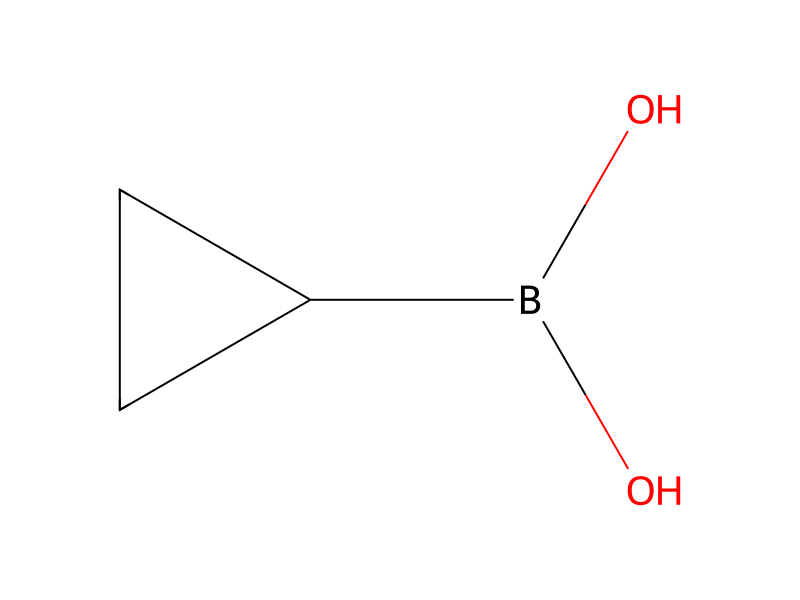
Cyclopropylboronic acid → tert-Butyl 4-(((5-cyclopropyl-2-((2-(trimethylsilyl)ethoxy)methyl)-2H-indazol-7-yl)methoxy)methyl)-4-phenylpiperidine-1-carboxylate

HRID 913838
Drucken

Reaktionsgleichung

Reaktionsgleichung von HRID 913838
Br[C:2]1[CH:10]=[C:9]([CH2:11][O:12][CH2:13][C:14]2([C:27]3[CH:32]=[CH:31][CH:30]=[CH:29][CH:28]=3)[CH2:19][CH2:18][N:17]([C:20]([O:22][C:23]([CH3:26])([CH3:25])[CH3:24])=[O:21])[CH2:16][CH2:15]2)[C:8]2[C:4](=[CH:5][N:6]([CH2:33][O:34][CH2:35][CH2:36][Si:37]([CH3:40])([CH3:39])[CH3:38])[N:7]=2)[CH:3]=1.[CH:41]1(B(O)O)[CH2:43][CH2:42]1>[Pd].C1(P(C2C=CC=CC=2)C2C=CC=CC=2)C=CC=CC=1.C1(P(C2C=CC=CC=2)C2C=CC=CC=2)C=CC=CC=1.C1(P(C2C=CC=CC=2)C2C=CC=CC=2)C=CC=CC=1.C1(P(C2C=CC=CC=2)C2C=CC=CC=2)C=CC=CC=1>[CH:41]1([C:2]2[CH:10]=[C:9]([CH2:11][O:12][CH2:13][C:14]3([C:27]4[CH:32]=[CH:31][CH:30]=[CH:29][CH:28]=4)[CH2:15][CH2:16][N:17]([C:20]([O:22][C:23]([CH3:24])([CH3:26])[CH3:25])=[O:21])[CH2:18][CH2:19]3)[C:8]3[C:4](=[CH:5][N:6]([CH2:33][O:34][CH2:35][CH2:36][Si:37]([CH3:40])([CH3:38])[CH3:39])[N:7]=3)[CH:3]=2)[CH2:43][CH2:42]1
KomponentenReaktionsbedingungenVersuchsvorschriftAufarbeitungQuellen und NachweiseNotizen zur Reaktion

Komponenten

4

Edukt 2

HCID 2760897Cyclopropylboronic acidHCID 57546228tert-butyl 4-(((5-bromo-2-((2-(trimethylsilyl)ethoxy)methyl)-2H-indazol-7-yl)methoxy)methyl)-4-phenylpiperidine-1-carboxylate

Produkt 1

HCID 57546153tert-Butyl 4-(((5-cyclopropyl-2-((2-(trimethylsilyl)ethoxy)methyl)-2H-indazol-7-yl)methoxy)methyl)-4-phenylpiperidine-1-carboxylate

Reagenzien, Katalysatoren, Lösungsmittel 1
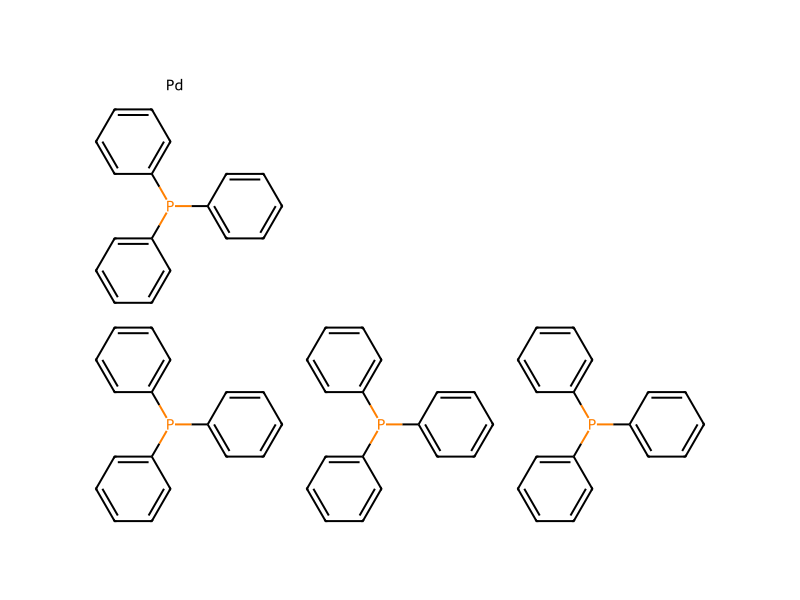
HCID 11979704
Tetrakis(triphenylphosphine)palladium
Katalysator

Reaktionsbedingungen

Temperatur
100 °C

Versuchsvorschrift

tert-Butyl 4-(((5-bromo-2-((2-(trimethylsilyl)ethoxy)methyl)-2H-indazol-7-yl)methoxy)methyl)-4-phenylpiperidine-1-carboxylate (42 mg, 0.07 mmol), cyclopropyl boronic acid (17.2 mg, 0.2 mmol), and tetrakis(triphenylphosphine) palladium(0) (7.7 mg, 0.007 mmol) were combined in dry tetrahydrofran (2 mL) in a microwave tube and sealed. After flushing the mixture with nitrogen, 0.24 mL of a 1 N potassium hydroxide aqueous solution was introduced. The mixture was heated at 100° C. for 1 h via microwave. After cooling to room temperature, the reaction mixture was concentrated and purified by flash chromatography on silica gel to afford 34 mg (86%). 1H-NMR (CDCl3, 300 MHz) δ 7.86 (s, 1H), 7.32 (m, 1H), 7.14-7.23 (m, 5H), 6.94 (m, 1H), 5.32 (s, 2H), 4.65 (s, 2H), 3.61-3.85 (m, 2H), 3.39 (s, 2H), 3.32-3.38 (m, 2H), 2.95-3.02 (m, 2H), 2.06-2.11 (m, 2H), 1.93-1.96 (m, 1H), 1.71-1.80 (m, 2H), 1.39 (s, 9H), 0.92-0.97 (m, 2H), 0.64-0.78 (m, 4H), 0.13 (s, 9H). Mass spec.: 592.24 (MH)+.

Aufarbeitung

  1. customsealed
  2. customAfter flushing the mixture with nitrogen, 0.24 mL of a 1 N potassium hydroxide aqueous solution
  3. additionwas introduced
  4. temperatureAfter cooling to room temperature
  5. concentrationthe reaction mixture was concentrated
  6. custompurified by flash chromatography on silica gel
  7. customto afford 34 mg (86%)

Quellen und Nachweise

ORD-Eintrag
ord-080d2d9e416d4d149bd0ffc20f5db6da
Quelldatensatz
uspto-grants-2011_09
DOI
10.6084/m9.figshare.5104873.v1
Patentnummer
US08026257B2

Notizen zur Reaktion

Auf dieser SeiteKomponentenReaktionsbedingungenVersuchsvorschriftAufarbeitungQuellen und NachweiseNotizen zur Reaktion