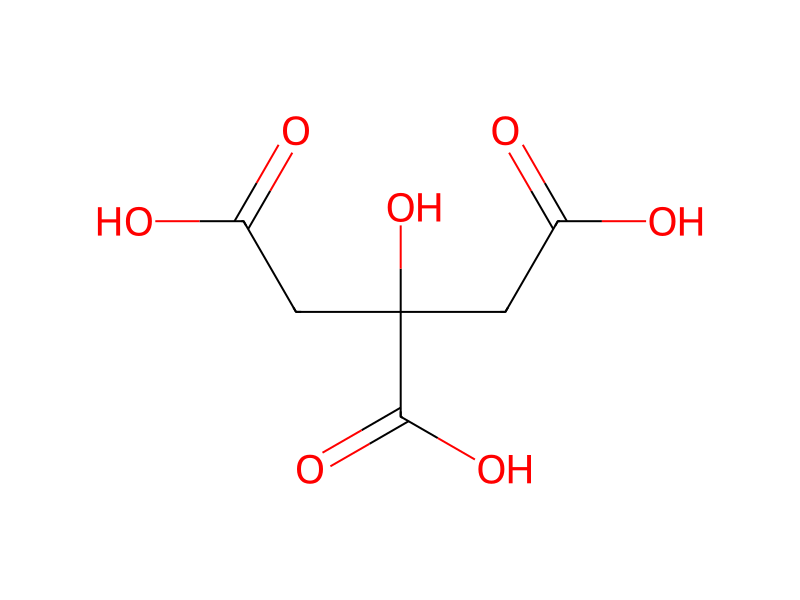
[OH:1][CH2:2][C:3]1[CH:8]=[CH:7][CH:6]=[CH:5][N:4]=1.[H-].[Na+].CS([C:15]1[N:20]=[C:19]([NH:21][CH2:22][C:23]2[CH:28]=[CH:27][C:26]([O:29][CH3:30])=[C:25]([Cl:31])[CH:24]=2)[C:18]([C:32]([O:34][CH2:35][CH3:36])=[O:33])=[CH:17][N:16]=1)(=O)=O>O1CCCC1.C(O)(=O)CC(CC(O)=O)(C(O)=O)O>[N:4]1[CH:5]=[CH:6][CH:7]=[CH:8][C:3]=1[CH2:2][O:1][C:15]1[N:20]=[C:19]([NH:21][CH2:22][C:23]2[CH:28]=[CH:27][C:26]([O:29][CH3:30])=[C:25]([Cl:31])[CH:24]=2)[C:18]([C:32]([O:34][CH2:35][CH3:36])=[O:33])=[CH:17][N:16]=1A mixture of 2-hydroxymethylpyridine 32 mg and sodium hydride (suspension in 60% oil) 11.8 mg in tetrahydrofuran 2.5 ml is stirred at room temperature for 5 minutes. To the mixture is added at room temperature a solution of 2-methylsulfonyl-5-ethoxycarbonyl-4-(3-chloro-4-methoxybenzylamino)pyrimidine (prepared in the above (2)) 118 mg in tetrahydrofuran 2.5 ml, and the mixture is stirred for 30 minutes at room temperature. The reaction mixture is diluted with an aqueous 10% citric acid solution and extracted twice with ethyl acetate. The combined organic layer is washed with water and an aqueous saturated sodium chloride solution, dried over anhydrous sodium sulfate and concentrated in vacuo. The residue is purified by silica gel chromatography (solvent; chloroform:ethyl acetate=4:1→1:2) and concentrated in vacuo to give 2-(2-pyridylmethoxy)-5-ethoxycarbonyl-4-(3-chloro-4-methoxybenzylamino)pyrimidine as a colorless caramel, 106 mg.