StartseiteMCPWorkbenchSkills
StartseiteWorkbenchBenachrichtigungenMein Bereich
llms.txt · MCP-AnleitungDatenschutz · Nutzungsbedingungen · Supportv1.8.3
  1. Startseite
  2. /Reaktion

2-Naphthalenecarboxaldehyde → beta-Naphthylideneaniline

HRID 917926
Drucken

Reaktionsgleichung

Reaktionsgleichung von HRID 917926
[CH:1]1[C:10]2[C:5](=[CH:6][CH:7]=[CH:8][CH:9]=2)[CH:4]=[CH:3][C:2]=1C=O.[N+:13]([C:16]1[CH:21]=[CH:20][CH:19]=[CH:18][CH:17]=1)([O-])=O.[C]=O>N1C=CC=CC=1.[OH-].[Rh+3].[OH-].[OH-]>[CH2:1]1[C:10]2[C:5](=[CH:6][CH:7]=[CH:8][CH:9]=2)[CH:4]=[CH:3][C:2]1=[N:13][C:16]1[CH:21]=[CH:20][CH:19]=[CH:18][CH:17]=1
KomponentenReaktionsbedingungenVersuchsvorschriftAufarbeitungQuellen und NachweiseNotizen zur Reaktion

Komponenten

6

Edukt 3

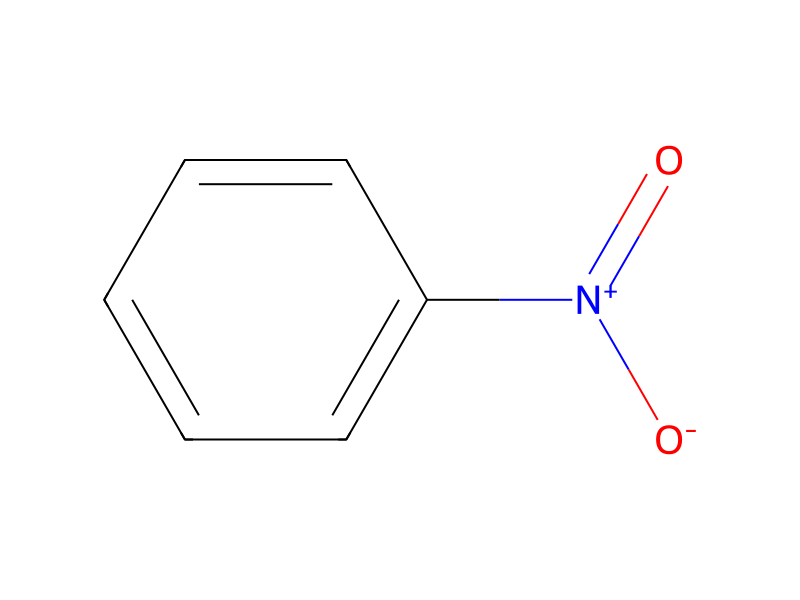
HCID 62012-NaphthalenecarboxaldehydeHCID 7416NitrobenzeneHCID 178418416HCID 178418416, Verbindung

Produkt 1

HCID 68129601beta-NaphthylideneanilineAusbeute 75 %

Reagenzien, Katalysatoren, Lösungsmittel 2

HCID 88993Rhodium hydroxide (Rh(OH)3)Katalysator
HCID 1049
Pyridine
Lösungsmittel

Reaktionsbedingungen

Temperatur
170 °C

Versuchsvorschrift

A solution of β-naphthaldehyde (0.1 mole), nitrobenzene (0.11 mole) and rhodium hydroxide [Rh(OH)3 ] in 50 ml of pyridine were charged into a stainless steel rocking autoclave of 0.5 l capacity. The autoclave was pressurized to 140 atm with carbon monoxide and heated to 170°C for 3 hours. On completion of the reaction period, the pressure vessel was allowed to cool and the gases vented. Work-up of the reaction mixture gave 75% yield of β-naphthylideneaniline, the product being unequivocally identified by mixed melting point and spectroscopic (ir and nmr) comparison with an authentic sample.

Aufarbeitung

  1. customOn completion of the reaction period
  2. temperatureto cool

Quellen und Nachweise

ORD-Eintrag
ord-1bef66ed105e4d0d88209faa9484553c
Quelldatensatz
uspto-grants-1976_07
DOI
10.6084/m9.figshare.5104873.v1
Patentnummer
US03968159

Notizen zur Reaktion

Auf dieser SeiteKomponentenReaktionsbedingungenVersuchsvorschriftAufarbeitungQuellen und NachweiseNotizen zur Reaktion