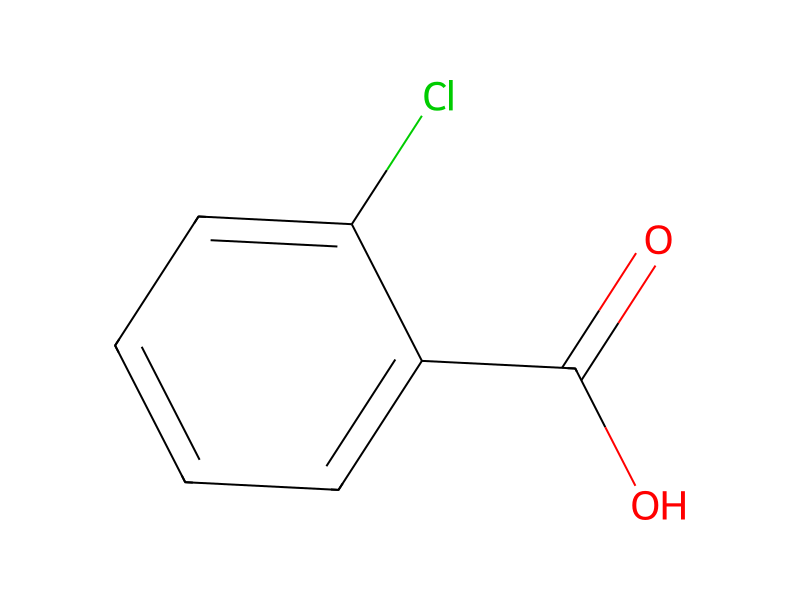
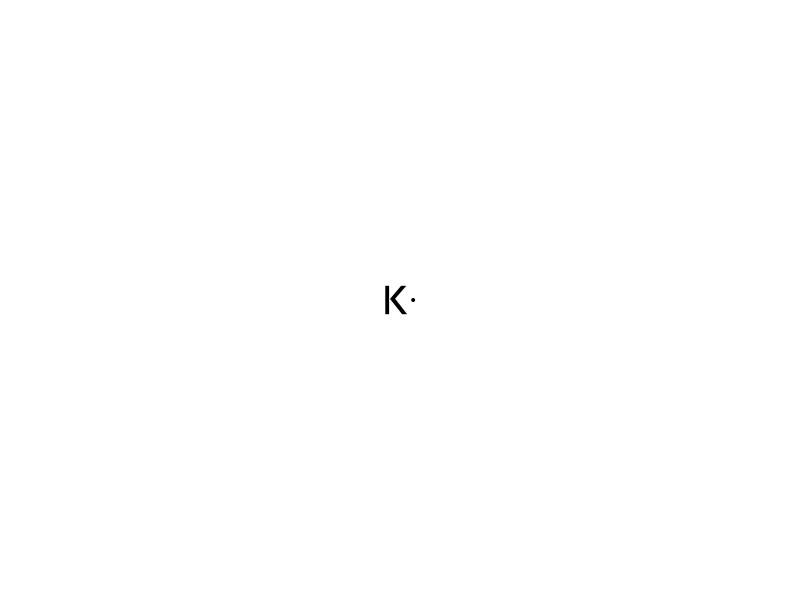
The potassium salt of o-chlorobenzoic acid (25 g), 25 g. of 4-fluoroaniline, 9 g. potassium carbonate and 2 g. of copper powder were heated under reflux in 200 ml. dimethylformamide. After cooling the solvent was evaporated, the residue dissolved in 500 ml. of absolute ethanol, the solution was filtered and the filtrate evaporated. The residue was suspended in 300 ml. of methylene chloride and filtered. The solid (on 10 filter) was dissolved in 100 ml. of water and 45 g. of potassium carbonate was added. To this solution 65 ml. phosgene (12.5% in benzene) was added under vigorous stirring. The stirring was continued for 18 hours at room temperature. The precipitate, which had formed, was filtered off and washed with water. After air drying the filter case was dissolved in chloroform (200 ml.) and the solution treated with solid sodium carbonate, aluminium oxide and activated charcoal. The solvent was then exchanged for ether and the material, which crystallized, was collected by filtration, m.p. 199°-201°.