StartseiteMCPWorkbenchSkills
StartseiteWorkbenchBenachrichtigungenMein Bereich
llms.txt · MCP-AnleitungDatenschutz · Nutzungsbedingungen · Supportv1.8.3
  1. Startseite
  2. /Reaktion

Ethanol → 3-(1H-Indol-3-yl)prop-2-enal

HRID 920875
Drucken

Reaktionsgleichung

Reaktionsgleichung von HRID 920875
N1[CH:6]=[CH:5][CH:4]=[C:3]([C:7]2[CH:13]=[CH:12][CH:11]=[CH:10][C:8]=2[NH2:9])[CH:2]=1.N#CBr.C([OH:19])C>>[NH:9]1[C:8]2[C:7](=[CH:13][CH:12]=[CH:11][CH:10]=2)[C:3]([CH:4]=[CH:5][CH:6]=[O:19])=[CH:2]1
KomponentenVersuchsvorschriftAufarbeitungQuellen und NachweiseNotizen zur Reaktion

Komponenten

4

Edukt 3

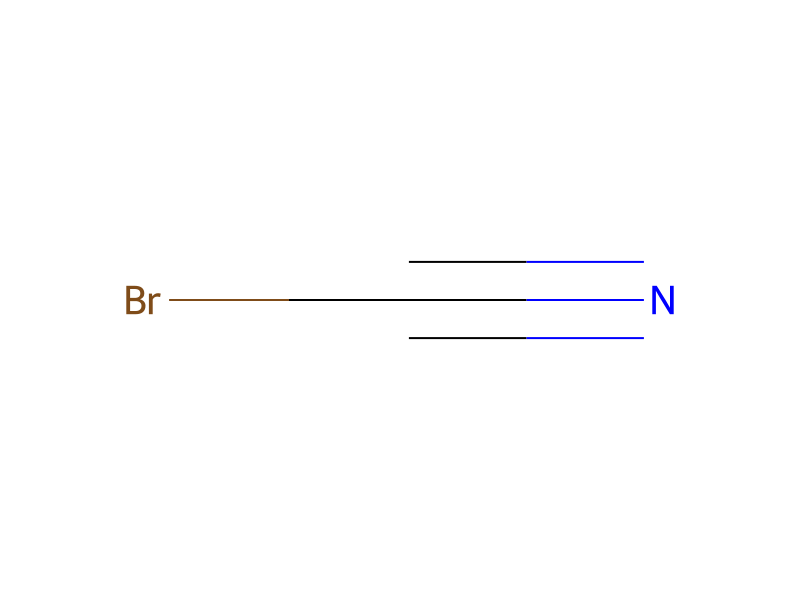
HCID 702EthanolHCID 10476Cyanogen BromideHCID 4595192-Pyridin-3-ylaniline

Produkt 1

HCID 540588453-(1H-Indol-3-yl)prop-2-enal

Versuchsvorschrift

To a solution of 10.0 g of 2-(pyridin-3-yl)aniline (58.7 mmol) in 100 mL ethanol is slowly added 6.2 mL of cyanogen bromide (12.4 g, 118 mmol). The reaction is heated to reflux for 1 hour, monitoring by TLC (silica, hexanes:ethyl acetate 1:1) for formation of the Zincke salt. The reaction is then quenched via addition of 50 mL saturated NH4Cl, and extracted with 3×50 mL dichloromethane. The combined organic layers are washed 3×100 mL saturated NH4Cl, followed by drying over anhydrous Na2SO4 and removal of the solvent. The crude residue is further purified via column chromatography over silica, using a hexanes-ethyl acetate gradient.

Aufarbeitung

  1. temperatureThe reaction is heated
  2. temperatureto reflux for 1 hour
  3. customThe reaction is then quenched via addition of 50 mL saturated NH4Cl
  4. extractionextracted with 3×50 mL dichloromethane
  5. washThe combined organic layers are washed 3×100 mL saturated NH4Cl
  6. dry with materialby drying over anhydrous Na2SO4 and removal of the solvent
  7. customThe crude residue is further purified via column chromatography over silica

Quellen und Nachweise

ORD-Eintrag
ord-09c8d82bddaa4e97adcc57e04e9c6578
Quelldatensatz
uspto-grants-2016_03
DOI
10.6084/m9.figshare.5104873.v1
Patentnummer
US09273074B2

Notizen zur Reaktion

Auf dieser SeiteKomponentenVersuchsvorschriftAufarbeitungQuellen und NachweiseNotizen zur Reaktion