StartseiteMCPWorkbenchSkills
StartseiteWorkbenchBenachrichtigungenMein Bereich
llms.txt · MCP-AnleitungDatenschutz · Nutzungsbedingungen · Supportv1.8.3
  1. Startseite
  2. /Reaktion

Cesium carbonate → 5-(3,3-Difluoroazetidin-1-yl)-6-(2-methoxyethoxy)-pyridine-2-carboxylic acid methyl ester

HRID 927598
Drucken

Reaktionsgleichung

Reaktionsgleichung von HRID 927598
[CH3:1][O:2][C:3]([C:5]1[CH:10]=[CH:9][C:8](Br)=[C:7]([O:12][CH2:13][CH2:14][O:15][CH3:16])[N:6]=1)=[O:4].Cl.[F:18][C:19]1([F:23])[CH2:22][NH:21][CH2:20]1.C(=O)([O-])[O-].[Cs+].[Cs+]>C1(C)C=CC=CC=1.C1C=CC(/C=C/C(/C=C/C2C=CC=CC=2)=O)=CC=1.C1C=CC(/C=C/C(/C=C/C2C=CC=CC=2)=O)=CC=1.C1C=CC(/C=C/C(/C=C/C2C=CC=CC=2)=O)=CC=1.[Pd].[Pd].C1C=CC(P(C2C=CC3C(=CC=CC=3)C=2C2C3C(=CC=CC=3)C=CC=2P(C2C=CC=CC=2)C2C=CC=CC=2)C2C=CC=CC=2)=CC=1>[CH3:1][O:2][C:3]([C:5]1[CH:10]=[CH:9][C:8]([N:21]2[CH2:22][C:19]([F:23])([F:18])[CH2:20]2)=[C:7]([O:12][CH2:13][CH2:14][O:15][CH3:16])[N:6]=1)=[O:4]
KomponentenReaktionsbedingungenVersuchsvorschriftAufarbeitungQuellen und NachweiseNotizen zur Reaktion

Komponenten

7

Edukt 3

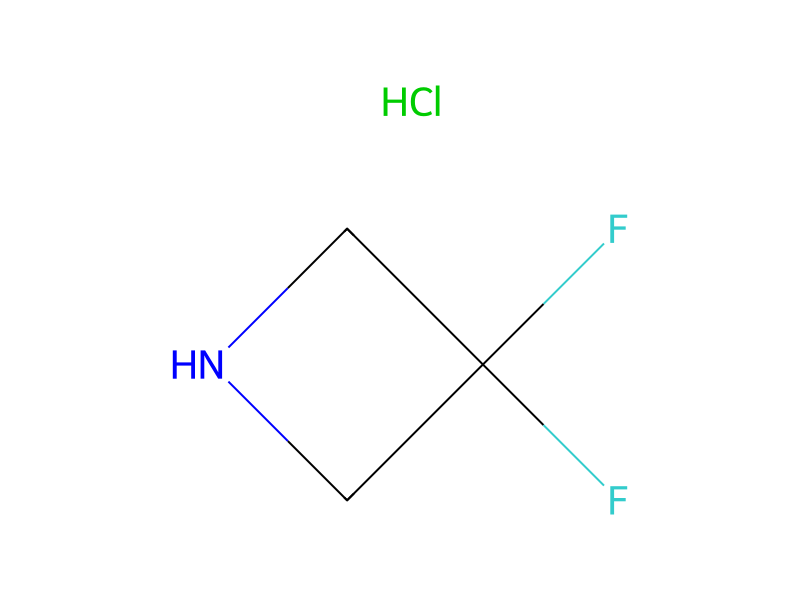
HCID 10796Cesium carbonateHCID 27582473,3-Difluoroazetidine hydrochlorideHCID 710877995-Bromo-6-(2-methoxyethoxy)-pyridine-2-carboxylic acid methyl ester

Produkt 1

HCID 710874515-(3,3-Difluoroazetidin-1-yl)-6-(2-methoxyethoxy)-pyridine-2-carboxylic acid methyl esterAusbeute 68,4 %

Reagenzien, Katalysatoren, Lösungsmittel 3
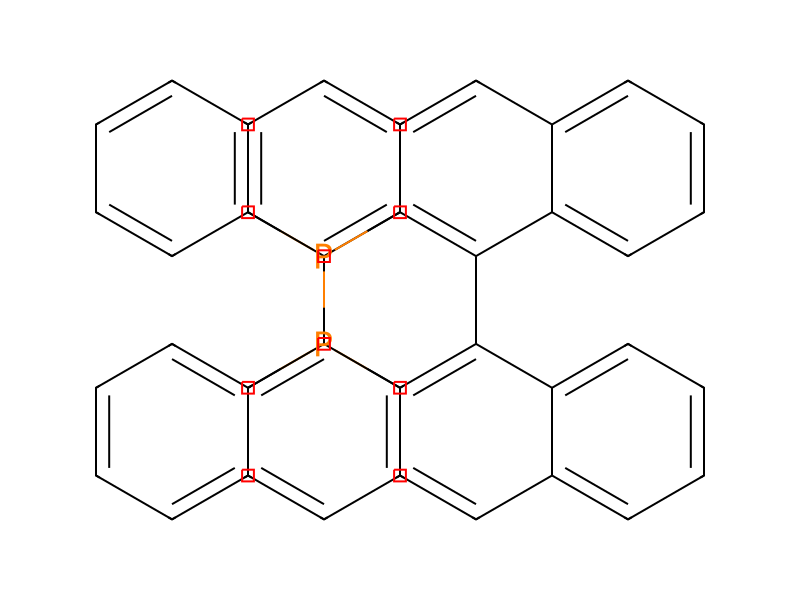
HCID 634876
Binap, (A+-)-
Katalysator
HCID 9811564Bis(dibenzylideneacetone)palladiumKatalysator
HCID 1140TolueneLösungsmittel

Reaktionsbedingungen

Temperatur
110 °C

Versuchsvorschrift

Under a nitrogen atmosphere a mixture of 5-bromo-6-(2-methoxyethoxy)-pyridine-2-carboxylic acid methyl ester (Example 142 b, 0.42 g, 1.45 mmol), 3,3-difluoroazetidine hydrochloride (0.22 g, 1.74 mmol), tris(dibenzylideneacetone)dipalladium (CAN 51364-51-3, 27 mg, 0.03 mmol), (R)-(+)-2,2′-bis(diphenylphosphino)-1,1′-binaphthyl (CAN 76189-55-4, 36 mg, 0.06 mmol) and cesium carbonate (1.4 g, 4.35 mmol) in toluene (50 mL) was stirred at 110° C. overnight. After evaporation of solvents the residue was partitioned between water (30 mL) and ethyl acetate (30 mL) and the aqueous phase was extracted with ethyl acetate (2×30 mL). The combined organic phase was washed with brine (30 mL), dried over anhydrous sodium sulfate, filtered and concentrated to give a residue which was purified by column chromatography (silica gel, 8 g, 15% ethyl acetate in petroleum ether) to give the title compound (0.3 g, 68%) as white solid; MS (EI): m/e=303.1 [M+H]+.

Aufarbeitung

  1. customAfter evaporation of solvents the residue
  2. customwas partitioned between water (30 mL) and ethyl acetate (30 mL)
  3. extractionthe aqueous phase was extracted with ethyl acetate (2×30 mL)
  4. washThe combined organic phase was washed with brine (30 mL)
  5. dry with materialdried over anhydrous sodium sulfate
  6. filtrationfiltered
  7. concentrationconcentrated
  8. customto give a residue which
  9. customwas purified by column chromatography (silica gel, 8 g, 15% ethyl acetate in petroleum ether)

Quellen und Nachweise

ORD-Eintrag
ord-d5c65afc5495450785e840abfbd4a754
Quelldatensatz
uspto-grants-2016_03
DOI
10.6084/m9.figshare.5104873.v1
Patentnummer
US09290451B2

Notizen zur Reaktion

Auf dieser SeiteKomponentenReaktionsbedingungenVersuchsvorschriftAufarbeitungQuellen und NachweiseNotizen zur Reaktion