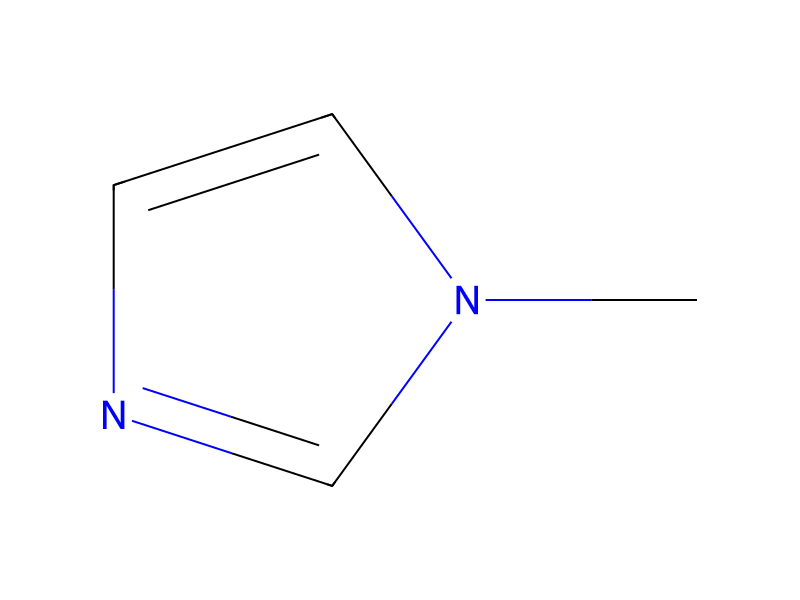
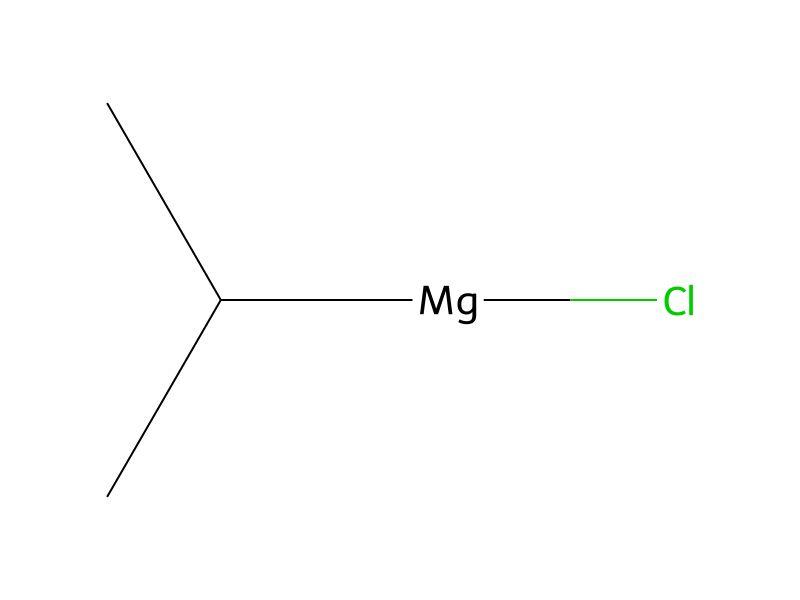
I[C:2]1[N:6]([CH3:7])[CH:5]=[N:4][CH:3]=1.C([Mg]Cl)(C)C.[CH2:13]([C:20]1[C:21]([CH3:37])=[N:22][C:23]2[C:28]([C:29]=1[CH3:30])=[CH:27][C:26]([C:31](N(OC)C)=[O:32])=[CH:25][CH:24]=2)[C:14]1[CH:19]=[CH:18][CH:17]=[CH:16][CH:15]=1.CN1C=CN=C1>C1COCC1>[CH2:13]([C:20]1[C:21]([CH3:37])=[N:22][C:23]2[C:28]([C:29]=1[CH3:30])=[CH:27][C:26]([C:31]([C:2]1[N:6]([CH3:7])[CH:5]=[N:4][CH:3]=1)=[O:32])=[CH:25][CH:24]=2)[C:14]1[CH:15]=[CH:16][CH:17]=[CH:18][CH:19]=1A translucent solution of 5-iodo-1-methyl-1H-imidazole (197 mg, 0.946 mmol) in THF (1.5 mL) was stirred at 0° C. while iPrMgCl (2.01 M in THF, 0.43 mL, 0.864 mmol) was added dropwise under argon. The ice bath was immediately removed and the white mixture was stirred at room temperature for 15 minutes, and was then added rapidly dropwise to a solution of 3-benzyl-N-methoxy-N,2,4-trimethylquinoline-6-carboxamide (71.9 mg, 0.215 mmol, Intermediate 34: step c) in THF (0.5 mL) at room temperature. The resulting milky opaque mixture was stirred at room temperature for 1.5 hours, and was then quenched with 1 M aqueous NaHCO3 (6 mL) and extracted with EtOAc (2×6 mL). The combined organic layers were shown by LCMS to be a mixture of title compound and starting material, so the material was concentrated from THF (3×) and re-subjected to the above conditions but with reaction at 50° C. for 2 hours. The reaction was then worked up as described above, and the residue was flash chromatographed with a heptane to 100% EtOAc gradient to provide a 1:4 mol ratio of the title compound and N-methylimidazole.
Wird geladen…