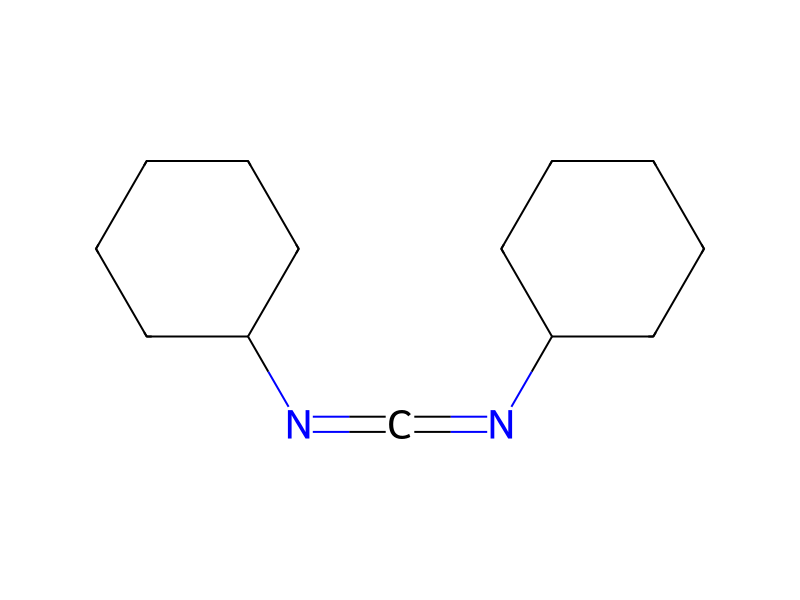
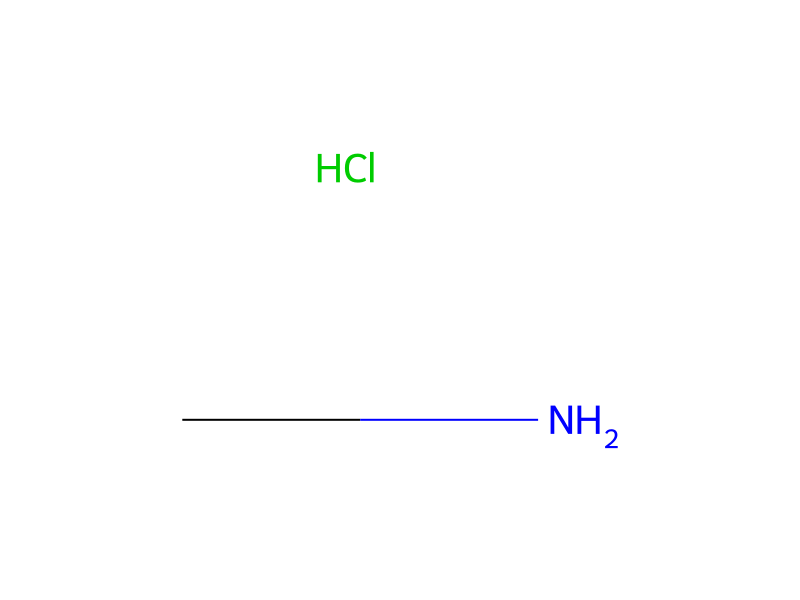
[NH:1]([C:17]([O:19][C:20]([CH3:23])([CH3:22])[CH3:21])=[O:18])[C@H:2]([C:14](O)=[O:15])[CH2:3][C:4](=[O:13])[O:5][CH2:6][C:7]1[CH:12]=[CH:11][CH:10]=[CH:9][CH:8]=1.[CH:24]1([N:30]=C=NC2CCCCC2)CCCCC1.OC1C2N=NNC=2C=CC=1.Cl.CN.C(N(C(C)C)CC)(C)C>O1CCCC1>[NH:1]([C:17]([O:19][C:20]([CH3:23])([CH3:22])[CH3:21])=[O:18])[C@H:2]([C:14]([NH:30][CH3:24])=[O:15])[CH2:3][C:4](=[O:13])[O:5][CH2:6][C:7]1[CH:12]=[CH:11][CH:10]=[CH:9][CH:8]=1Boc-Asp(OBzl) (6.4 g) was dissolved in tetrahydrofuran (30 ml), added with dicyclohexylcarbodiimide (4.1 g), hydroxybenzotriazole (3.0 g), methylamine hydrochloride (2.0 g) and diisopropylethylamine (3.9 g) under ice cooling and stirred for 10 hours. Insolubles were removed from the mixture by filtration and the filtrate was concentrated under reduced pressure. The residue was dissolved in ethyl acetate and the organic layer was washed with 10% aqueous solution of citric acid and saturated aqueous solution of sodium hydrogen carbonate and dried over anhydrous sodium sulfate. Then the ethyl acetate was evaporated under reduced pressure. The residue was recrystallized from ethyl acetate/hexane to give Boc-Asp(OBzl)-NHMe (3.9 g).