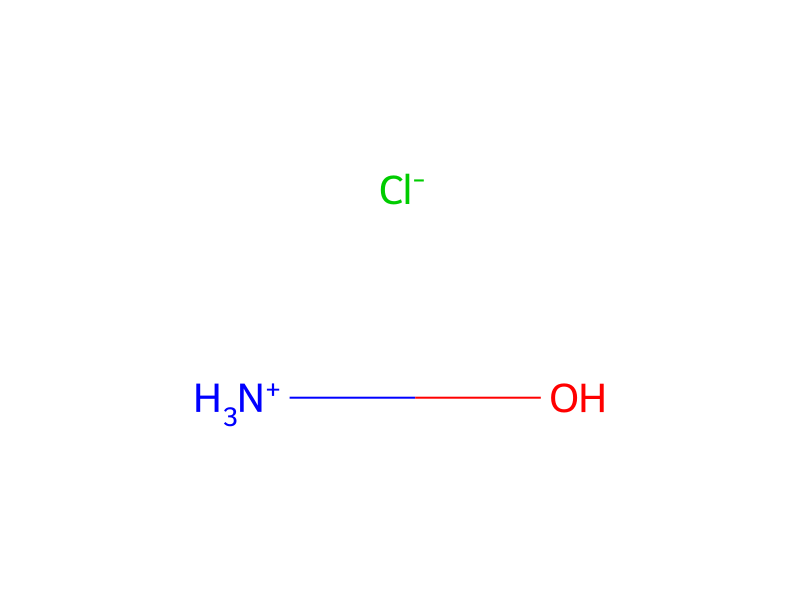
[C:1]1([C:7]2([CH:12]=O)[CH2:11][CH2:10][CH2:9][CH2:8]2)[CH:6]=[CH:5][CH:4]=[CH:3][CH:2]=1.[Cl-].[OH:15][NH3+:16].N1C=CC=CC=1>C(O)C>[C:1]1([C:7]2([CH:12]=[N:16][OH:15])[CH2:11][CH2:10][CH2:9][CH2:8]2)[CH:6]=[CH:5][CH:4]=[CH:3][CH:2]=1A mixture of the above aldehyde (3.4 g, 20 mmol) and hydroxylammonium chloride (2.9 g, 42 mmol) in a mixture of absolute ethanol (30 ml) and pyridine (3.3 g, 42 mmol) was heated at reflux for 2 h. The solvent was evaporated in vacuo, the residue was treated with absolute ethanol (50 ml) and the suspension filtered. The solvent was evaporated from the filtrate in vacuo and the residue crystallised from a 4/1 mixture of n-heptane and ethyl acetate to give 2.5 g of 1-phenyl-1-cyclopentanecarboxaldehyde oxime.