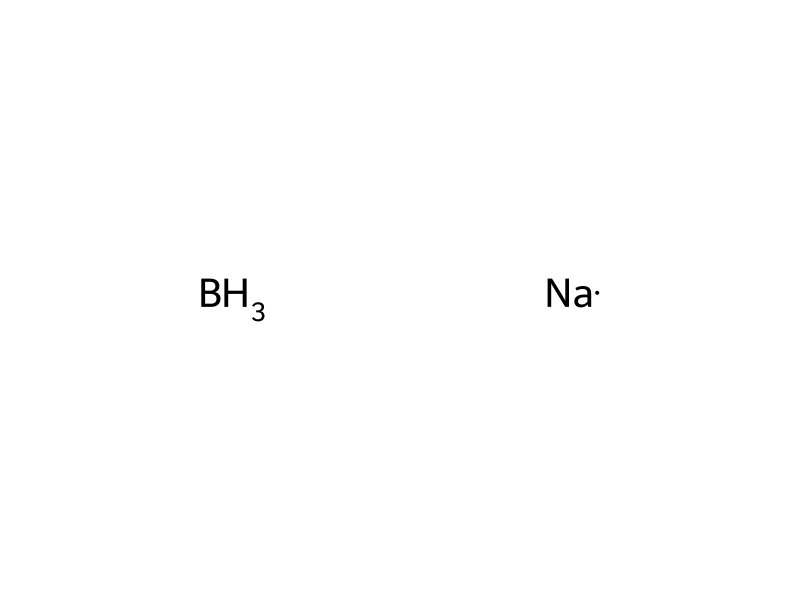
A suspension of sodium boron hydride (6.9 g) in isopropyl alcohol (500 ml) was dropwise added to a solution of p-heptyloxybenzaldehyde (119 g) in isopropyl alcohol (300 ml), followed by heating the mixture to 70° C. to form a uniform solution, which was then agitated at 70° C. for 3 hours and allowed to stand overnight, followed by adding 6N-HCl (100 ml) and water (200 ml), heating the mixture to 60° C., distilling off most of the solvent, extracting with toluene, washing with water, washing with alkali, washing with water to make it neutral, drying, concentrating and recrystallizing the residue from a mixed solvent of ethanol (200 ml) and water (60 ml) to obtain p-heptyloxybenzyl alcohol (74.9 g). This product (40 g) together with 47% aqueous hydrogen bromic acid (200 g) were agitated at 80° C. for 7 hours and allowed to stand overnight, followed by extracting with n-heptane (200 ml), washing the n-heptane layer with water till the washing water became neutral, drying, concentrating and subjecting the residue to vacuum distillation to obtain p-heptyloxybenzyl bromide (IIa-2) (28 g) having a b.p. of 174°-175° C./6 Torr.