Reaktionsgleichung

[O:1](C1C(F)(F)C(F)(F)C(F)(F)C=1[O:19][C:20]1[CH:25]=[CH:24][CH:23]=[CH:22][CH:21]=1)[C:2]1[CH:7]=[CH:6][CH:5]=[CH:4][CH:3]=1.[O-][C:27]1[CH:32]=CC=[CH:29][CH:28]=1.[Na+].FC1(F)[C:39]([F:40])=[C:38]([F:41])[C:37]([F:43])([F:42])[C:36]1([F:45])[F:44].FF>COCCOC.CCOCC.C(N(CC)CC)C>[C:2]1([OH:1])[CH:7]=[CH:6][CH:5]=[CH:4][CH:3]=1.[CH:25]1[C:24]2[C:23](=[CH:32][CH:27]=[CH:28][CH:29]=2)[CH:22]=[CH:21][C:20]=1[OH:19].[F:43][C:37]1([F:42])[C:38]([F:41])=[C:39]([F:40])[C:36]1([F:44])[F:45]Komponenten
Edukt 4

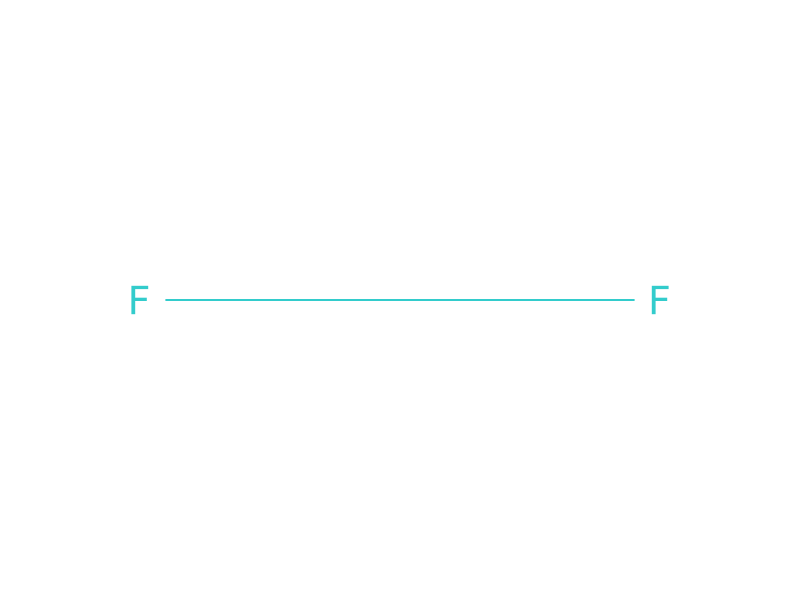
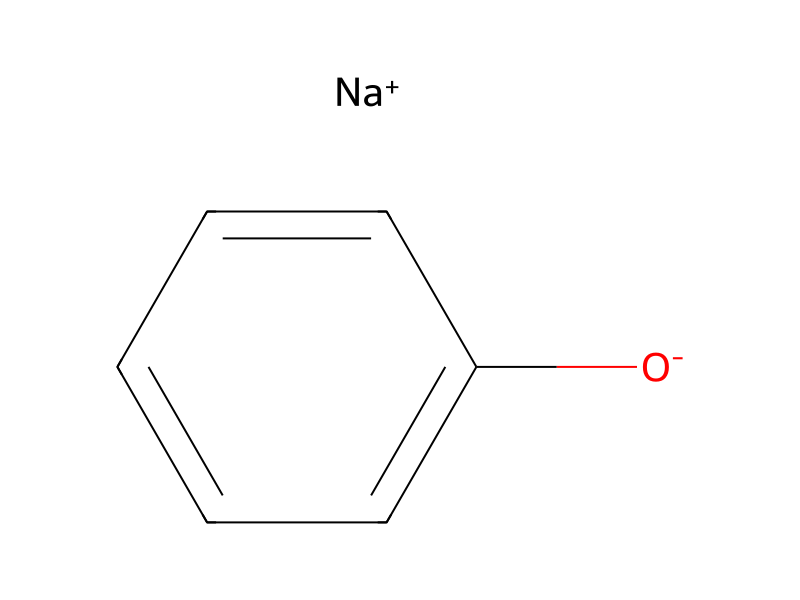

Produkt 3


Reagenzien, Katalysatoren, Lösungsmittel 3



Versuchsvorschrift
The substitution of both vinylic halogen atoms in dihaloperfluoroalkenes by phenols or by phenoxides is as yet illustrated by a single example: under specific conditions (-40° C., mmol scale, complicated distillation) 1,2-bisphenoxy-3,3,4,4,5,5-hexafluorocyclopent-1-ene could be prepared in 76% yield from sodium phenoxide and octafluorocyclopentene in ethylene glycol dimethyl ether (see J.O.C. 45, 4429 (1980). Based on the other existing literature (for example Fluorine in Organic Chemistry, Wiley, 1973), it could not be concluded that this reaction could underlie a generally applicable synthesis principle. Thus, only monoaryloxy-perfluorocyclobutenes were obtained by reaction of phenol or 2-naphthol with hexafluorocyclobutene in ether using equimolar amounts of triethylamine (see J.A.C.S. 72, 4480 (1950).
Aufarbeitung
- custombe concluded that this reaction
Quellen und Nachweise
- ORD-Eintrag
- ord-8b189d6b195749a2befcd5b4bed5f57f
- Quelldatensatz
- uspto-grants-1991_02
- Patentnummer
- US04990633
Verknüpfte Notizen
Wird geladen…