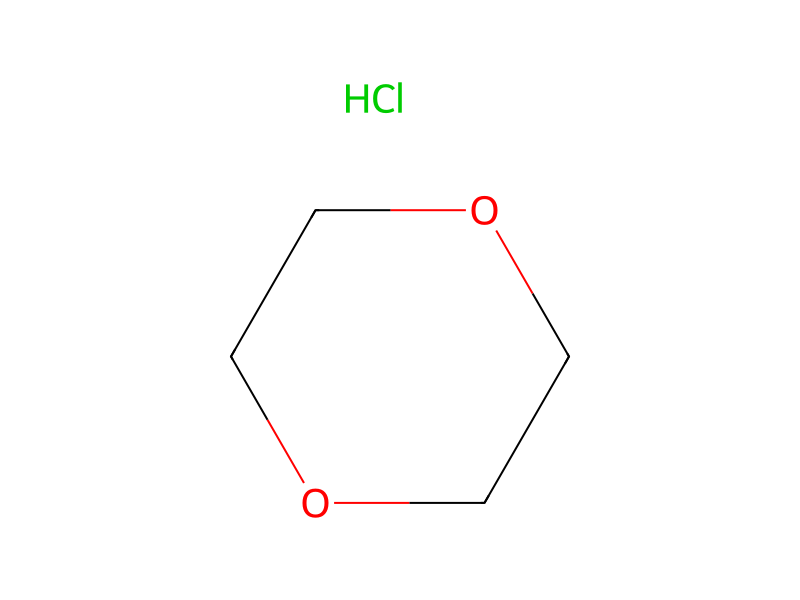
An oven-dried 1 L round-bottomed flask was charged with compound 10.2 (37.3 g, 127 mmol), finely powdered tin (74.3 g, 626 mmol), and EtOH (157 mL) and the solution was cooled to 0° C. Next, 4 N HCl/dioxane (157 mL, 628 mmol) was added dropwise at 0° C., and the reaction was refluxed for 2.5 h. The reaction mixture was concentrated, and the formed precipitate was filtered off and washed with 300 mL of chloroform. The combined filtrate and washing were concentrated to a slightly yellow oil, which was then purified by flash chromatography (SiO2 gel 60 N, eluted with 10% AcOEt/hexane—20% AcOEt/hexane). The fractions containing only desired product were combined and concentrated to a colorless oil 10.3 (26.1 g). 1H NMR (400 MHz) (CDCl3) δ 7.14 (1H, d, J=1.8 Hz); 7.09 (1H, dd, J=2.3, 8.5 Hz); 6.59 (1H, d, J=8.4 Hz); 4.59 (2H, s); 4.25 (2H, q, J=7.1 Hz); 3.32(1H, s); 2.24 (3H, s); 1.29 (3H, t, J=7.1 Hz).