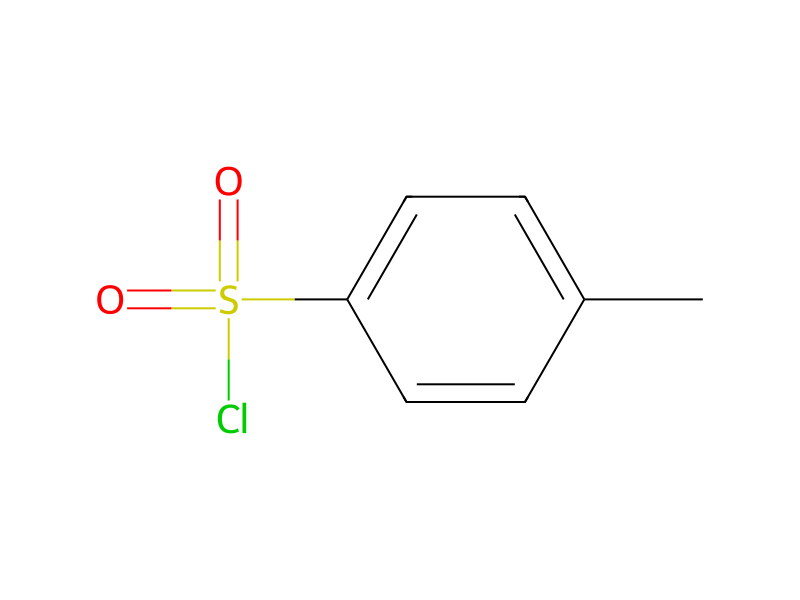
[C:1]([O:5][C:6](=[O:17])[NH:7][C:8]1[CH:13]=[CH:12][C:11]([CH2:14][CH2:15][OH:16])=[CH:10][CH:9]=1)([CH3:4])([CH3:3])[CH3:2].N1C=CC=CC=1.[C:24]1([CH3:34])[CH:29]=[CH:28][C:27]([S:30](Cl)(=[O:32])=[O:31])=[CH:26][CH:25]=1>ClCCl>[C:1]([O:5][C:6]([NH:7][C:8]1[CH:9]=[CH:10][C:11]([CH2:14][CH2:15][O:16][S:30]([C:27]2[CH:28]=[CH:29][C:24]([CH3:34])=[CH:25][CH:26]=2)(=[O:32])=[O:31])=[CH:12][CH:13]=1)=[O:17])([CH3:4])([CH3:2])[CH3:3]4-(2-Hydroxyethyl)phenylcarbamic tert-butyl ester (described in Example 38b) (170 g; 0.716 mole) was suspended in dichloromethane (1.7 l) and placed in an ice bath. Pyridine (113 g; 1.43 mole) was added giving a clear yellow solution. p-Toluenesulfonyl chloride (205 g; 1.07 mole) was dissolved in dichloromethane (850 ml) and added slowly with stirring to the reaction mixture during 45 minutes. The reaction mixture was allowed to reach room temperature over night. The solution was then washed with water (4×1 L) and dried with magnesium sulfate. The solvent was evaporated under reduced pressure until the weight was 440 g. The remaining brownish oil was slowly poured into heptane (1.6 L) with vigorous stirring. After approx. 20 seconds the oil started to crystallize. The heavy precipitate was filtered off, washed with heptane (200 ml) and dried in vacuo at 40° C. over night. This procedure gave 274 g (97.8% yield) of crude 2-[4-(tert-butoxycarbonylamino)phenyl]ethyl-4-methylbenzenesulfonate.