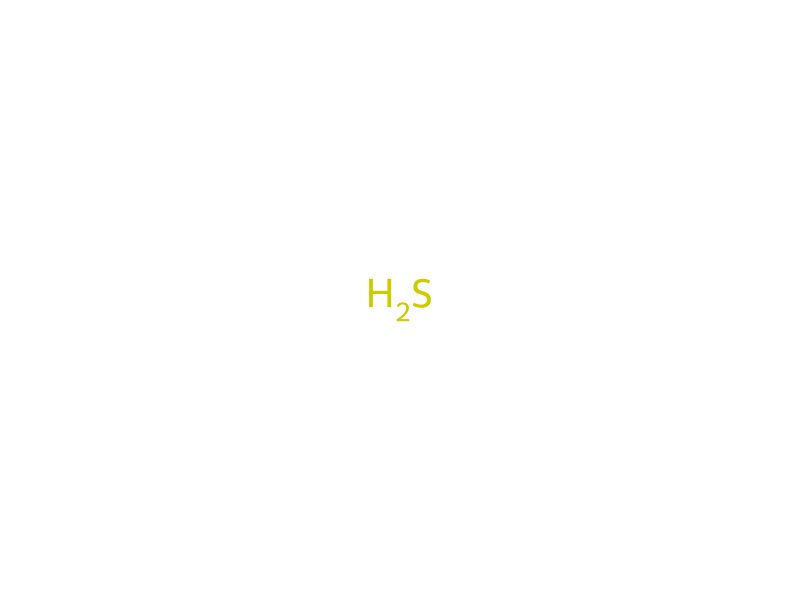
2.22 g of 2-isopropoxy-6-trifluoromethyl-4-hydroxypyrimidine and 0.86 g of copper suboxide were suspended in 30 ml of octane. The suspension was refluxed until no water was recognized to form, while formed water was being taken into a quantitative water receiver. 1.86 g of triethyl phosphite was added, and, 30 minutes later, 3.65 g of methyl 3-methoxy-2-(2-bromomethylphenyl)acrylate was added at an instance. The reaction was carried out for 5 hours at reflux of octane. The solution was cooled down to 100° C. Hydrogen sulfide gas was blown into the solution at a rate of 15-30 ml/min for an hour. The resultant was stirred for 30 minutes. The formed precipitate was filtrated and washed with 9 ml of octane. The mixed solution of the obtained filtrate and washing was analyzed with high-performance liquid chromatography. The reaction yield was 72%. Octane was concentrated under reduced pressure. To the residue were added 10.3 ml of ethanol and 3.9 ml of water, and heated to 64° C. to dissolve. The resulting solution was left to cool over night. 2.8 ml of a mixed solution of ethanol/water (7/1) was added to it and cooled down to 5° C. to deposit crystals fully. The crystals were filtrated, washed with 1.4 ml of a mixed solution of ethanol/water (7/1) twice to give 2.46 g (yield 67%) of the target compound with melting point of 109˜110° C.