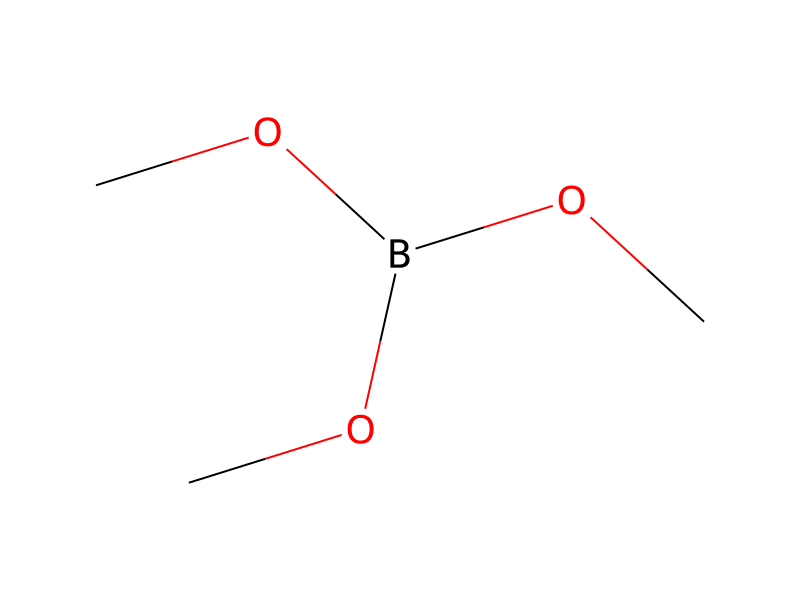
50 g of 6-bromo-2-naphthol and 48 g of 4-propylphenylboric acid (synthesized by reacting a Grignard reagent prepared from 4-propylbromobenzene with trimethyl borate, and then subjecting the reaction product to hydrolysis with hydrochloric acid) were dissolved in a mixture of 200 ml of toluene and 100 ml of ethanol. To the solution was then added 200 ml of a 2 N aqueous solution of potassium carbonate. To the reaction mixture was then added 2.6 g of tetrakis(triphenylphophine)palladium (0). The reaction mixture was then heated under reflux for 6 hours. The reaction solution was then allowed to cool to room temperature. The resulting organic phase was then separated. The resulting aqueous phase was then extracted with toluene The material thus extracted and the organic phase ware together washed sequentially with diluted hydrochloric acid, water and saturated brine, and then dehydrated and dried over anhydrous sodium sulfate, The solvent was then distilled off to obtain 47 g of 6-(4-propylphenyl)-2-naphthol in crystal form.