

Basic information
- CAS
10049-05-5- Standard SMILES
[Cl-].[Cl-].[Cr+2]- InChIKey
XBWRJSSJWDOUSJ-UHFFFAOYSA-L- Molecular formula
- Cl2Cr
- Average molar mass
- 122.9 g/mol
- Monoisotopic mass
- 121.87821286
Overview
See also: Chromium dichloride (preferred).
Names & identifiers
- Preferred name
- chromium(II) dichloride
- IUPAC
- chromium(2+) dichloride
- English name
- CHROMIUM(II) CHLORIDE
- Molecular formula
- Cl2Cr
- Molecular weight
- 122.9
Names & synonyms
chromium(2+) chlorideCl2Crchromium(II) dichloridechromium-(II)-chloridechromium(2+) dichlorideSCHEMBL552CHROMOUS CHLORIDE [MI]CHROMOUS CHLORIDE ANHYDROUSCHROMIUM(II) CHLORIDE [HSDB]AKOS024256106SY010149NS00082480
Show more names
CRCL2CHROMIUM DICHLORIDECHROME CHLORIDECHROMOUS CHLORIDEchromousChromous acidChromium(II) chLChrome DichlorideCHROMIUM(II) CHLORIDEchromiumchloride(crcl2)
F10151415604-50-9
Database identifiers
- CAS
10049-05-5- PubChem CID
- 10197677
- DTXSID
DTXSID20905548- UNII
- CET32HKA21
- Nikkaji
- J95.208G
Properties
Computed structural properties
- Topological polar surface area
- 0 Ų
- Hydrogen bond donors
- 0
- Hydrogen bond acceptors
- 2
- Rotatable bonds
- 0
- Heavy atoms
- 3
- Formal charge
- 0
- Complexity
- 0
Physicochemical properties
- Melting point
- 824 °C · 824 °C(lit.)
- Boiling point
- 1120 °C · 1120°C (estimate)
- Density
- 2.9 g/mL · 2.9 g/mL at 25 °C(lit.)
- storage temp.
- 30 °C · Store below +30°C.
- solubility
- 2 O · soluble in H2O
- form
- powder
- color
- Off-white to green-gray
- Specific Gravity
- 2.878 · 2.878
- Water Solubility
- Soluble in water. Insoluble in alcohol and ether.
- Specific Heat Capacity
- 0.58 J/ · Cp(crystal): 0.58 J/(g·K), at 25℃
- Crystal Structure
- 2 type · CaCl2 type
- Sensitive
- Air & Moisture Sensitive
- Merck
- 14 · 14,2244
- crystal system
- Nogata
- Space group
- Pnnm
- Lattice constant
- a/nm
- Symbol(GHS)
Safety & regulation
Safety data
- F
- 1-10
- PPE
- dust mask type N95 (US), Eyeshields, Gloves
- wgk
- 3
- tsca
- TSCA listed
- rtecs
- GB5250000
- ridadr
- UN3077
- hs_code
- 2827 39 85
- Toxicity
- LD50 orally in rats: 1.87 g/kg (Smyth)
- risk_code
- 22-36/37/38
- Signal word
- Warning
- Symbol(GHS)
- GHS07
- hazard_code
- Xn
- safety_code
- 26-36
- hazard_class
- 9
- Storage Class
- 11 - Combustible Solids
- Hazard statements
- H302
- Limited Quantities
- 5.0 kg (11 lbs) (solid)
- Excepted Quantities
- Max Inner Pack (30g or 30ml) and Max Outer Pack (1Kg or 1L)
- Hazard Classifications
- Acute Tox. 4 Oral
- Precautionary statements
- P301+P312+P330
- Hazardous Substances Data
- 10049-05-5(Hazardous Substances Data)
Chemistry & industry
Applications
UsesChromium(II) chloride is used as a reducing agent; as a catalyst in organic reactions; in chromium plating of metals; and as an analytical reagent for the dehalogenation of vic-dihalides. As a reducing agent, it is used to reduce alpha-haloketones to parent ketones, epoxides to olefins, chloroimides to imines, and aromatic aldehydes to corresponding alcohols.
DescriptionChromous chloride is a white-to-blue solid orlustrous needles which turn blue in water. Molecularweight =122.90; Boiling point =1300℃; Meltingpoint =824℃. Hazard Identification (based on NFPA-704M Rating System): Health 1, Flammability 0, Reactivity 0.Soluble in water.
UsesThe vapor-phase co-reductions with other metal halides by hydrogen results in finely divided intermetallics with applications as structural materials or compounds with useful thermoelectric, magnetic, and oxidation-resistance properties.
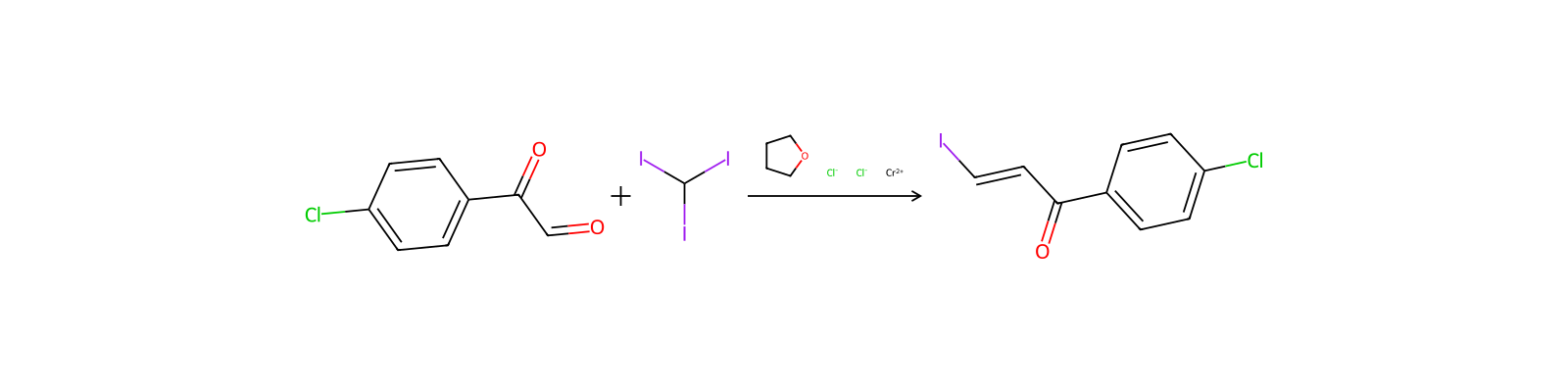
UsesChromium(II) chloride is used as a precursor to other inorganic and organometallic chromium complexes. It is a reagent in the Nozaki-Hiyama-Kishi reaction. It is also used in the Takai olefination to prepare vinyl iodides from aldehydes in the presence of iodoform.
General DescriptionA white crystalline solid. The primary hazard is the threat to the environment. Immediate steps must be taken to prevent its spread to the environment. CHROMIUM(II) CHLORIDE is used to make other chemicals and as an oxygen absorbent.
Preparation methods
PreparationChromium(II) chloride may be prepared by the reaction of chromium with anhydrous hydrogen chloride at 600 to 700°C: Cr + 2HCl → CrCl2 + H2 Also, the compound may be prepared by the reduction of chromium(III) chloride with hydrogen at 500 to 600°C: 2CrCl3 + H2→ 2CrCl2 + 2HCl An aqueous solution of chromium(II) chloride for organic reduction may be prepared as follows: Amalgamate zinc by shaking 400 g zinc dust with a solution containing 32g HgCl2, 20 mL conc. HCl and 400 mL water. Decant the aqueous phase. To the amalgamated zinc add 800 mL water, 80 mL conc. HCl, and 200 g CrCl3•6H2O. Bubble CO2 through the solution to agitate it and prevent any possible reoxidation of chromium by air. The solution that turns light blue may be used in organic reduction.
Related reactions
13 records


Compound notes
Loading…