HomeMCPWorkbenchSkills
HomeWorkbenchNotificationsMe
llms.txt · MCP GuidePrivacy Policy · Terms of Service · Supportv1.8.3
  1. Home
  2. /Compound

Dimethylacetylene

HCID 10419
New reaction
Print
Basic informationOverviewNames & identifiersPropertiesSafety & regulationChemistry & industryRelated reactionsCompound notes
Substructure searchFind similar structures

Basic information

CAS
503-17-3
Standard SMILES
CC#CC
InChIKey
XNMQEEKYCVKGBD-UHFFFAOYSA-N
Molecular formula
C4H6
Average molar mass
54.09 g/mol
Monoisotopic mass
54.04695019

Overview

Crotonylene appears as a clear colorless liquid with a petroleum-like odor. Less dense than water and insoluble in water. Vapors heavier than air.

Names & identifiers

Preferred name
Dimethylacetylene
IUPAC
but-2-yne
English name
2-Butyne
Molecular formula
C4H6
Molecular weight
54.09

Names & synonyms

Dimethylacetylene4-butynebut-4-yneRefChem:860602-BUTYNEBut-2-yne503-17-3CrotonyleneUN1144UNII-LKE6D3018ELKE6D3018EEINECS 207-962-2
Show more names
MFCD0000927525684-85-9dimethyl acetylene2-BUTINE2-Butyne, 99%SCHEMBL3561SCHEMBL18681SCHEMBL51760

Database identifiers

CAS
503-17-3
PubChem CID
10419
DTXSID
DTXSID3060116
ChEMBL
CHEMBL119108
UNII
LKE6D3018E
EC Number
207-962-2
Nikkaji
J2.603D

Properties

Computed structural properties

XLogP
1.5
Topological polar surface area
0 Ų
Hydrogen bond donors
0
Hydrogen bond acceptors
0
Rotatable bonds
0
Heavy atoms
4
Formal charge
0
Complexity
42.9

Experimental & physicochemical properties

Chemical Classes · 2 items

Other Classes -> Aliphatics, Unsaturated

Flammable agents - 4th degree

SpringerMaterials PropertiesDunham energy parameter
LogP1.46
Flash Point-4 °F (NFPA, 2010)
Vapor Pressure706.0 [mmHg]
Physical Description · 2 items

Crotonylene appears as a clear colorless liquid with a petroleum-like odor. Less dense than water and insoluble in water. Vapors heavier than air.

Clear colorless liquid with an odor of petroleum; [CAMEO]

Physicochemical properties

Melting point
-32.3 °C · -32.3 °C
Boiling point
26.9 °C · 26.9 °C
Density
0.715 g/cm3 · 0.715 g/cm3(Temp: 0 °C)
Symbol(GHS)

Safety & regulation

Safety information is for reference only and does not replace the supplier’s Safety Data Sheet (SDS), applicable regulations, or professional assessment.

GHS classification

GHS Classification · 4 items

Danger

H224 (100%): Extremely flammable liquid and vapor [Danger Flammable liquids]

P210, P233, P240, P241, P242, P243, P261, P264, P264+P265, P271, P280, P302+P352, P303+P361+P353, P304+P340, P305+P351+P338, P319, P321, P332+P317, P337+P317, P362+P364, P370+P378, P403+P233, P403+P235, P405, and P501 (click each P-code to see the statement)

Aggregated GHS information provided per 76 reports by companies from 9 notifications to the ECHA C&L Inventory. Each notification may be associated with multiple companies.

Hazard information

Regulatory Information · 2 items

Chemical: 2-Butyne

The New Jersey Worker and Community Right to Know Act requires public and private employers to provide information about hazardous substances at their workplaces. (N.J.S.A. 34:5A-1 et. seq.)

Other Safety InformationIMAP assessments - 2-Butyne: Human health tier I assessment
DOT LabelFlammable Liquid
Fire Hazards · 2 items

Excerpt from ERG Guide 128 [Flammable Liquids (Water-Immiscible)]:

· HIGHLY FLAMMABLE: Will be easily ignited by heat, sparks or flames.

Health Hazards · 2 items

Excerpt from ERG Guide 128 [Flammable Liquids (Water-Immiscible)]:

CAUTION: Petroleum crude oil (UN1267) may contain TOXIC hydrogen sulphide gas.

Hazards SummaryHighly flammable; [CAMEO] Extremely flammable; An irritant; [MSDSonline] See Methylacetylene.

Chemistry & industry

Uses & manufacturing

General Manufacturing Information2-Butyne: ACTIVE

Related reactions

13 records
New reaction record
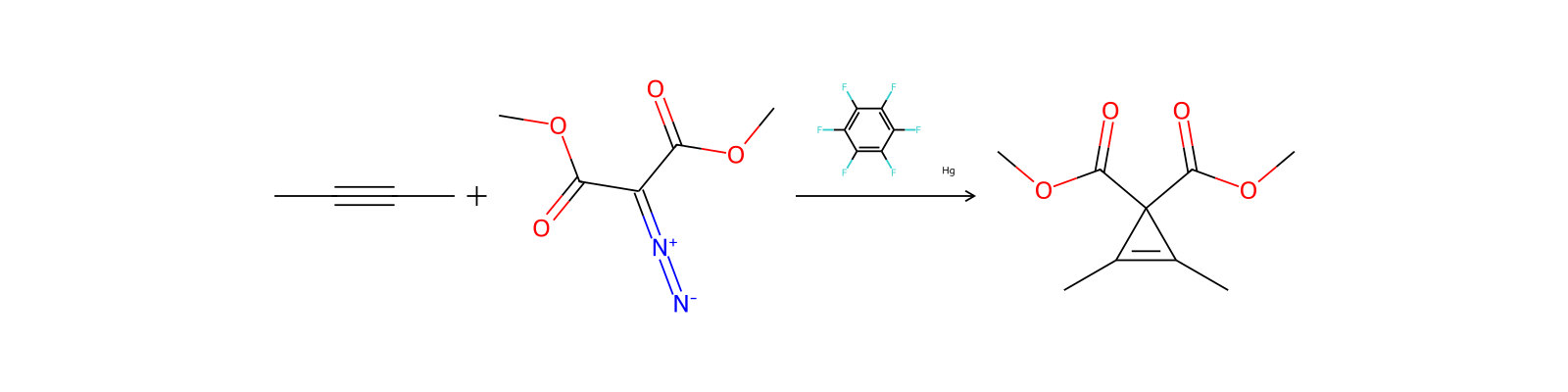
HRID 400609 reaction equation
HRID 400609As reactant
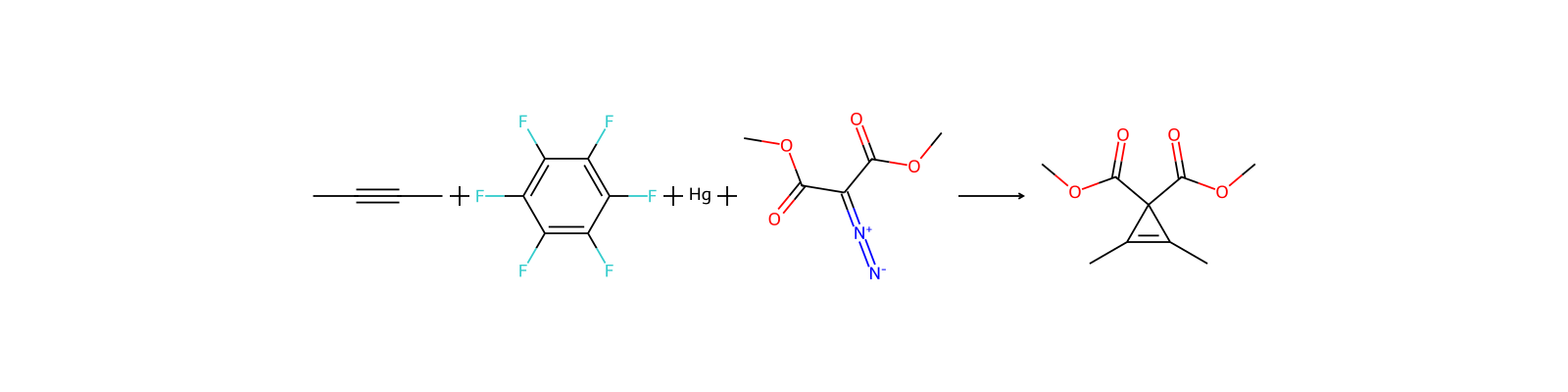
HRID 487030 reaction equation
HRID 487030As reactant
HRID 702033 reaction equation
HRID 702033As reactant
HRID 893243 reaction equation
HRID 893243As reactant
HRID 1216804 reaction equation
HRID 1216804As reactant
HRID 1283518 reaction equation
HRID 1283518As reactant
HRID 1295078 reaction equation
HRID 1295078As reactant
HRID 1432812 reaction equation
HRID 1432812As reactant
PreviousPage 1 of 2

Compound notes

On this pageBasic informationOverviewNames & identifiersPropertiesSafety & regulationChemistry & industryRelated reactionsCompound notes
2 · GHS02,GHS07
Signal word
Danger
Hazard statements
224 · H224-H315-H319-H335
Precautionary statements
210 · P210-P302+P352-P305+P351+P338-P403+P233
DOT ID and Guide
1144 128
Reactive GroupHydrocarbons, Aliphatic Unsaturated
Reactivity AlertsHighly Flammable
Reactivity Profile · 1 item

CROTONYLENE may react vigorously with strong oxidizing agents. May react exothermically with reducing agents to release hydrogen gas. In the presence of various catalysts (such as acids) or initiators, may undergo exothermic addition polymerization reactions.

DOT Hazard Classification · 4 items

Crotonylene

UN1144

Class 3 Flammable and combustible liquid (49 eCFR § 173.120)

PG I: the degree of danger presented by the material is great

Air and Water ReactionsHighly flammable. Insoluble in water.

Safety & protection

Fire FightingExcerpt from ERG Guide 128 [Flammable Liquids (Water-Immiscible)]:
Accidental Release Measures · 2 items

· CALL 911. Then call emergency response telephone number on shipping paper. If shipping paper not available or no answer, refer to appropriate telephone number listed on the inside back cover.

· ELIMINATE all ignition sources (no smoking, flares, sparks or flames) from immediate area.

First Aid · 2 items

Excerpt from ERG Guide 128 [Flammable Liquids (Water-Immiscible)]:

General First Aid:

Exposure Control and Personal Protection· Wear positive pressure self-contained breathing apparatus (SCBA).
Nonfire Spill ResponseExcerpt from ERG Guide 128 [Flammable Liquids (Water-Immiscible)]:
Isolation and Evacuation · 2 items

Excerpt from ERG Guide 128 [Flammable Liquids (Water-Immiscible)]:

Immediate precautionary measure

Personal Protective Equipment (PPE)Excerpt from ERG Guide 128 [Flammable Liquids (Water-Immiscible)]:
Emergency Response Planning GuidelinesCAUTION: The majority of these products have a very low flash point. Use of water spray when fighting fire may be inefficient.

Toxicology

Adverse EffectsNeurotoxin - Acute solvent syndrome

Safety data

Signal word
Danger
Symbol(GHS)
GHS02,GHS07
Hazard statements
H224-H315-H319-H335
Precautionary statements
P210-P302+P352-P305+P351+P338-P403+P233