Basic information
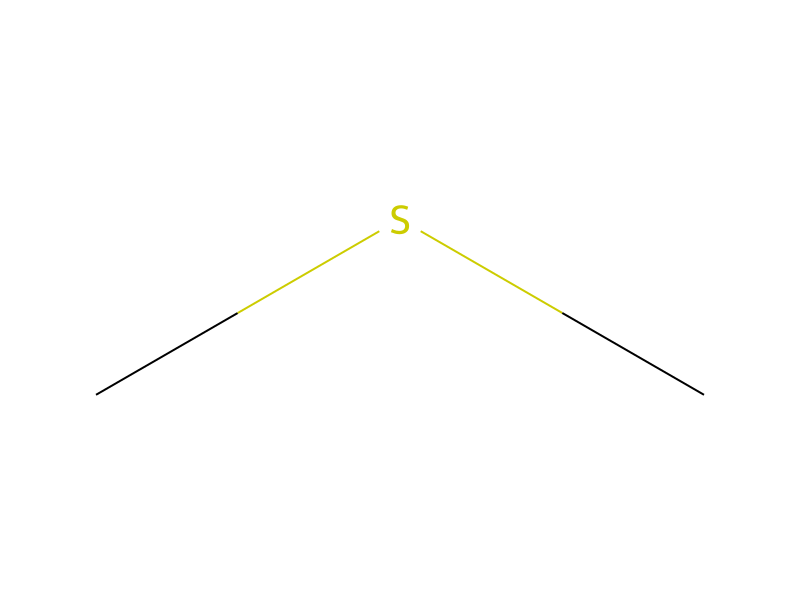
- Standard SMILES
CSC- InChIKey
QMMFVYPAHWMCMS-UHFFFAOYSA-N- Molecular formula
- C2H6S
- Average molar mass
- 62.14 g/mol
- Monoisotopic mass
- 62.01902119
Overview
Dimethyl sulfide appears as a clear colorless to straw colored liquid with a disagreeable odor. Flash point less than 0 °F. Less dense than water and slightly soluble in water. Vapors are heavier than air.
Names & identifiers
- Preferred name
- Dimethyl Sulfide
- IUPAC
- methylsulfanylmethane
- English name
- Dimethyl sulfide
- Molecular formula
- C2H6S
- Molecular weight
- 62.13
Names & synonyms
dimethyl sulfideMethyl sulfide75-18-3Methane, thiobis-Methyl thioetherdimethyl sulphidedimethylsulfide2-ThiapropaneDimethyl thioetherDimethylsulphideMethylthiomethaneMETHYLSULFANYLMETHANE
Show more names
Methyl sulphideDimethylsulfidThiobismethane(Methylsulfanyl)methaneMethyl monosulfideDimethyl monosulfide2-ThiopropaneMethanethiomethane
Database identifiers
- CAS
31533-72-9、75-18-3- PubChem CID
- 1068
- DTXSID
DTXSID9026398- ChEMBL
CHEMBL15580- ChEBI
CHEBI:17437- UNII
- QS3J7O7L3U
- EC Number
- 200-846-2
- Nikkaji
- J1.300.429C、J1.443E
Properties
Computed structural properties
- XLogP
- 0.9
- Topological polar surface area
- 25.3 Ų
- Hydrogen bond donors
- 0
- Hydrogen bond acceptors
- 1
- Rotatable bonds
- 0
- Heavy atoms
- 3
- Formal charge
- 0
- Complexity
- 2.8
Experimental & physicochemical properties
Chemical Classes
Other Classes -> Sulfur Compounds
Flammable agents - 4th degree
SpringerMaterials PropertiesCoriolis coupling
FragrancesFragrance Ingredient (Dimethyl sulfide) -> IFRA transparency List
Pesticides
Other Treatment
Active substance -> EU Pesticides database: Not approved
LogP0.84
OdorUNPLEASANT ODOR OF WILD RADISH, CABBAGE-LIKE
TasteCharacteristic flavor
Food AdditivesFLAVORING AGENT OR ADJUVANT -> FDA Substance added to food
Density
0.85 at 68 °F (USCG, 1999) - Less dense than water; will float
0.8483 g/cu cm at 20 °C
Relative density (water = 1): 0.85
0.840-0.850
0.85
0.8483 @ 20°C
Flavoring AgentsEU Flavoring substances
ViscosityLess than 32.6 Saybolt unit sec
Color/FormColorless, volatile liquid
Physicochemical properties
- Melting point
- -98.3 °C · -98.3 °C
- Boiling point
- 37.3 °C · 37.3 °C
- Density
- 0.8483 g/cm3 · 0.8483 g/cm3
- Symbol(GHS)
- 2 · GHS02
- Signal word
- Danger
- Hazard statements
- 225 · H225
- Precautionary statements
- 210 · P210-P233-P240-P241-P242-P243
- RIDADR
- 1164 · UN 1164
- HazardClass
- 3 · 3
- PackingGroup
- II
Safety & regulation
GHS classification
GHS Classification
Danger
H225 (89.5%): Highly Flammable liquid and vapor [Danger Flammable liquids]
P210, P233, P240, P241, P242, P243, P261, P264, P264+P265, P270, P271, P280, P301+P316, P302+P352, P303+P361+P353, P304+P340, P305+P351+P338, P305+P354+P338, P317, P319, P321, P330, P332+P317, P337+P317, P362+P364, P370+P378, P403+P233, P403+P235, P405, and P501 (click each P-code to see the statement)
Aggregated GHS information provided per 1875 reports by companies from 22 notifications to the ECHA C&L Inventory. Each notification may be associated with multiple companies.
Danger
H225: Highly Flammable liquid and vapor [Danger Flammable liquids]
Hazard information
Regulatory Information
Chemical: Methane, thiobis-
Commission Regulation (EC) No 1565/2000 (Repealed by Com. Implementing Reg. (EU) No 872/2012)
Methane, 1,1'-thiobis- is listed on the EPA's Chemical Data Reporting (CDR) system. Manufacturers and importers of Methane, 1,1'-thiobis- are required to report information about their production and use of this chemical to the EPA under the Toxic Substances Control Act (TSCA). (40 eCFR Part 711)
Reg. (EU) 2021/1451
Status: Active Update: 13-12-2022 https://echa.europa.eu/registration-dossier/-/registered-dossier/13649
Methane, thiobis-: HSNO Approval: HSR001135 Approved with controls
DOT LabelFlammable Liquid
Fire Hazards
Special Hazards of Combustion Products: Toxic and irritating sulfur dioxide is formed.
· HIGHLY FLAMMABLE: Will be easily ignited by heat, sparks or flames.
Highly flammable. Gives off irritating or toxic fumes (or gases) in a fire. Vapour/air mixtures are explosive.
Fire PotentialHighly flammable
Health Hazards
Inhalation causes moderate irritation of upper respiratory system. Contact of liquid with eyes causes moderate irritation. Repeated contact with skin may extract oils and result in irritation. Ingestion causes nausea and irritation of mouth and stomach. (USCG, 1999)
· May cause toxic effects if inhaled or absorbed through skin.
Hazards Summary
Liquid can cause first degree burns after short contact. [CHRIS] Decomposes on heating to release hydrogen sulfide and sulfur oxides; [ICSC] Low toxicity after skin or inhalation exposure; [HSDB] When applied to the skin, under a patch, for 48 hours, 1% dimethyl sulfide in petroleum jelly does not cause skin irritation. Dimethyl sulfide vapor can reach high concentrations at room temperature and act as a simple asphyxiant. It is a skin and respiratory tract irritant and can cause CNS depression after heavy inhalation exposure. From a case report, one worker in a storage tank died after exposure to about 500,000 ppm. The death was attributed to dimethyl sulfide toxicity and simple asphyxiation. [CHEMINFO]
DOT ID and Guide1164 130
Reactive GroupSulfides, Organic
UN ClassificationUN Hazard Class: 3; UN Pack Group: II
Special Reports
European Commission, ESIS; IUCLID Dataset, Dimethyl sulphide (75-18-3) p.22 (2000 CD-ROM edition) contains information on use, toxicology, and environmental effects of this chemical as supplied to the European Union by industry.[Available from the Database Query page, as of August 24, 2009. http://esis.jrc.ec.europa.eu/]
Reactivity AlertsHighly Flammable
Reactivity Profile
Organosulfides, such as DIMETHYL SULFIDE, are incompatible with acids, diazo and azo compounds, halocarbons, isocyanates, aldehydes, alkali metals, nitrides, hydrides, and other strong reducing agents. Reactions with these materials generate heat and in many cases hydrogen gas. Many of these compounds may liberate hydrogen sulfide upon decomposition or reaction with an acid. Dimethyl sulfide rapidly decomposes dibenzoyl peroxide explosively in the absence of solvent, [J. Org. Chem., 1972, 37, 2885]. The sulfide also decomposes xenon difluoride explosively at ambient temps, [J, Chem Soc., 1984, 2827]. Interaction of dimethyl sulfide and oxygen is explosive at 210 °C and above, [Atmos. Environ., 1967, 1, 491-497]. A delayed explosion occurred in a system containing nitric acid, dimethyl sulfide, and 1, 4-dioxane, even with cooling with liquid nitrogen, [Chem. Abs., 1972, 76, 13515].
Safety & protection
Fire Fighting
Excerpt from ERG Guide 130 [Flammable Liquids (Water-Immiscible / Noxious)]:
Use powder, foam, carbon dioxide. In case of fire: keep drums, etc., cool by spraying with water.
First Aid Measures
Fresh air, rest. Refer for medical attention.
Remove contaminated clothes. Rinse and then wash skin with water and soap.
First rinse with plenty of water for several minutes (remove contact lenses if easily possible), then refer for medical attention.
Rinse mouth. Induce vomiting (ONLY IN CONSCIOUS PERSONS!). Give one or two glasses of water to drink. Refer for medical attention .
Accidental Release Measures
· CALL 911. Then call emergency response telephone number on shipping paper. If shipping paper not available or no answer, refer to appropriate telephone number listed on the inside back cover.
· ELIMINATE all ignition sources (no smoking, flares, sparks or flames) from immediate area.
First Aid
INHALATION: move victim to fresh air at once; enforce rest, and keep warm; get medical attention immediately.
General First Aid:
Safe StorageFireproof. Separated from strong oxidants. Cool.
Firefighting HazardsAuto flammability: 205 °C at 1013 hPa
Exposure Control and Personal Protection· Wear positive pressure self-contained breathing apparatus (SCBA).
Fire Fighting Procedures
Use CO2, dry chemical.
This chemical is a combustible liquid. Poisonous gases including hydrogen sulfide and sulfur oxides are produced in fire. Use dry chemical, carbon dioxide, water spray, fog, or foam extinguishers. Wear self-contained breathing apparatus and full protective clothing. If it can be done safely, move container from fire area. For massive fire in cargo area, use unmanned hose holder or monitor nozzles; if this is impossible, withdraw from area and let fire burn. Isolate for 1/2 mile in all directions if tank car of truck is involved in fire. Vapors are heavier than air and will collect in low areas. Vapors may travel long distances to ignition sources and flashback. Vapors in confined areas may explode when exposed to fire. Containers may explode in fire. Storage containers and parts of containers may rocket great distances, in many directions. If material or contaminated runoff enters waterways, notify downstream users of potentially contaminated waters. Notify local health and fire officials and pollution control agencies. From a secure, explosion-proof location, use water spray to cool exposed containers. If cooling streams are ineffective (venting sound increases in volume and pitch, tank discolors or shows any signs of deforming), withdraw immediately to a secure position.
Water may be ineffective.
Storage Conditions
Before entering confined space where this chemical may be present, check to make sure that an explosive concentration does not exist. Store in tightly closed containers in a cool, well ventilated area. Metal containers involving the transfer of this chemical should be grounded and bonded. Where possible, automatically pump liquid from drums or other storage containers to process containers. Drums must be equipped with self-closing valves, pressure vacuum bungs, and flame arresters. Use only non-sparking tools and equipment, especially when opening and closing containers of this chemical. Sources of ignition, such as smoking and open flames, are prohibited where this chemical is used, handled, or stored in a manner that could create a potential fire or explosion hazard. Wherever this chemical is used, handled, manufactured, or stored, use explosion-proof electrical equipment and fittings.
Cleanup Methods
SRP: Wastewater from contaminant suppression, cleaning of protective clothing/equipment, or contaminated sites should be contained and evaluated for subject chemical or decomposition product concentrations. Concentrations shall be lower than applicable environmental discharge or disposal criteria. Alternatively, pretreatment and/or discharge to a permitted wastewater treatment facility is acceptable only after review by the governing authority and assurance that "pass through" violations will not occur. Due consideration shall be given to remediation worker exposure (inhalation, dermal and ingestion) as well as fate during treatment, transfer and disposal. If it is not practicable to manage the chemical in this fashion, it must be evaluated in accordance with EPA 40 CFR Part 261, specifically Subpart B, in order to determine the appropriate local, state and federal requirements for disposal.
Evacuate and restrict persons not wearing protective equipment from area of spill or leak until cleanup is complete. Remove all ignition sources. Establish forced ventilation to keep levels below explosive limit. Absorb liquids in vermiculite, dry sand, earth, peat, carbon, or a similar material, and deposit it in sealed containers. Keep this chemical out of a confined space, such as a sewer, because of the possibility of an explosion, unless the sewer is designed to prevent the build-up of explosive concentrations. It may be necessary to contain and dispose of this chemical as a hazardous waste. If material or contaminated runoff enters waterways, notify downstream users of potentially contaminated waters.
Waste gases from sewage treatment (720 cu m/min) were scrubbed with a soln containing 9x10⁻³ mol NaClO/L. Dimethyl sulfide content was reduced from 1.4 to 0.043 ppm.
A waste gas-O3 mixture from sewage treatment containing Dimethyl sulfide at 10 ppm was passed through a bed of NaClO-impregnated activated carbon to give a 96% removal rate.
Cells of Thiobacillus thioparus TK-m were immobilized on cylindrical porous polypropylene pellets (5mm x 5 mm, apparent density 0.3, water retention 215 g/l) which were packed in an acrylic cylinder of 50 mm inner diameter up to the ht of 800 mm. When a sulfur-containing malodorous gas was charged to this packed tower at the superficial velocity of 0.1 m/sec, max loading capacity for a malodorous gas to attain the removal rate of 95% or more was 3.65 mM/l/day for dimethyl sulfide. At this time the inlet concn of the malodorous compound was 7.44 ul/l for dimethyl sulfide. Higher loading resulted in greater removal quantities, and the removal rate was not overly affected by the presence of a large amount of easily decomposable hydrogen sulfide.
Nonfire Spill ResponseExcerpt from ERG Guide 130 [Flammable Liquids (Water-Immiscible / Noxious)]:
Disposal Methods
SRP: The most favorable course of action is to use an alternative chemical product with less inherent propensity for occupational harm/injury/toxicity or environmental contamination. Recycle any unused portion of the material for its approved use or return it to the manufacturer or supplier. Ultimate disposal of the chemical must consider: the material's impact on air quality; potential migration in soil or water; effects on animal and plant life; and conformance with environmental and public health regulations.
AEROBIC: Dimethyl sulfide was initially present in a wastewater/recycled sludge mixture at 150 (ug/kg)/(ug/L); following activated sludge treatment, effluent concns were below the detection limit(7). Radiolabeled-dimethyl sulfide added to the head space over 1 ml of freshwater lake sediment was metabolized to methane and carbon dioxide; 33 and 5% radiolabeled carbon was converted to methane and carbon dioxide, respectively, in 8 hours(2). No degradation of dimethyl sulfide occurred in sterilized (heat killed - 70 °C, 1 hr) samples of sediment(2). Addition of dimethyl sulfide to various anoxic aquatic sediments (e.g. fresh water, estuarine, alkaline/hypersaline) stimulated methane production(3). The yield of methane from dimethyl sulfide typically ranged between 52-63%, although high concns of dimethyl sulfide inhibited methanogenesis in sediment from alkaline lakes(3). Metabolism resulted in appearance of methanethiol as a transient intermediate(3). Dimethyl sulfide was completely biodegraded in anoxic salt marsh sediments within 11 days with the production of methanethiol and methane(4). Biological consumption rates of dimethyl sulfide, in seawater samples collected in the eastern Pacific Ocean, ranged from 1.1 nM/day to 18.0 nM/day, giving turnover times of 0.6 to 4.6 days(5). The conversion efficiency from added dimethyl sulfide to methane of an algal mat and sediments obtained from a hypersaline pond was 11.2%(6).
AEROBIC: Dimethyl sulfide, present at 2.5 mg/L, showed 100% degradation in 2 days using a freshwater sediment inoculum(1). Dimethyl sulfide, present at 0.43 g/L, showed 100% degradation in 4 days using an acclimated, activated sewage sludge inoculum(2); dimethyl sulfide was found to be oxidized to sulfate. Therefore, dimethyl sulfide is expected to biodegrade repidly under aerobic conditions(SRC).
ANAEROBIC: Dimethyl sulfide, present at 3.4 mg/L, showed 100% degradation in 8 days using a freshwater sediment inoculum under anoxic conditions(1). Dimethylsulfide, present at 0.3 mg/L, showed 100% degradation in 2 days using an anoxic salt marsh sediment as inoculum(2). Therefore, dimethyl sulfide is expected to biodegrade rapidly under anaerobic conditions(SRC).
Photooxidation reduced sulfur cmpd pollution.
Toxicology
Body Burden
Dimethyl sulfide was detected in expired air from 54 carefully selected healthy, nonsmokers as follows: 387 samples, 41.6% pos, mean concn 0.99 ng/l(1). It was detected in expired air from 6 out of 8 subjects at a range of measured expiration rates of 0.54-53.0 ug/hr(2). The concentration in breath samples collected from 14 persons exposed to organic reduced sulfur compounds in sulfate pulp mills ranged from 0.04 to 0.69 cu cm/cu m(3).
Interactions
Tolerance against the rat lung edema response to ozone inhalation was not incr by intraperitoneal injection of dimethyl sulfide.
Dimethyl sulfoxide suppresses conversion of the prodrug sulindac to its bioactive sulfide metabolite (SD). During continuous iv infusions of sulindac (1 mg/kg/hr), plasma concn of SD at steady-state equilibrium were 80% lower when DMSO was infused concomitantly at 0.34 ml/kg/hr; whereas sulindac plasma concn were not significantly affected by DMSO. DMSO was only a weak inhibitor of SD oxidation in vitro and did not affect the rate of SD elimination in vitro. In contrast, dimethyl sulfide a metabolite of DMSO, was a potent inhibitor of SD oxidase in vitro.
Adult male rats were injected with sodium arsenite (4 mg/kg, sc) 10 min prior to injection of dimethyl sulfide. Neither compound caused mortality when given alone (n = 4). Dimethyl sulfide (320 mg S/kg, sc) resulted in no toxic signs or mortality with or without arsenite (n = 4).
Ecotoxicity Values
LC50; Species: Daphnia pulex (Crustacea); Concentration: 150 mg/L for 24 hr (20 °C) /Conditions of bioassay not specified in source examined/
EC50; Species: Daphnia magna (Water flea); Concentration: 14300 ug/L for 24 hr; Effect: intoxication, immobilization /Conditions of bioassay not specified in source examined/
Environmental Fate
TERRESTRIAL FATE: Based on a classification scheme(1), an estimated Koc value of 6.3(SRC), determined from a water solubility of 22,000 mg/L(2) and a regression-derived equation(3), indicates that dimethyl sulfide is expected to have very high mobility in soil(SRC). Volatilization of dimethyl sulfide from moist soil surfaces is expected to be an important fate process(SRC) given a measured Henry's Law constant of 1.61X10⁻³ atm-cu m/mole(4). Dimethyl sulfide is expected to volatilize from dry soil surfaces(SRC) based upon a vapor pressure of 502 mm Hg at 25 °C(5). 100% degradation over 2 days in an aerobic test using a freshwater sediment inoculum(6) suggests that biodegradation is an important environmental fate process in soil(SRC).
AQUATIC FATE: Based on a classification scheme(1), an estimated Koc value of 6.3(SRC), determined from a water solubility of 22,000 mg/L(2) and a regression-derived equation(3), indicates that dimethyl sulfide is not expected to adsorb to suspended solids and sediment(SRC). Volatilization from water surfaces is expected(4) based upon a measured Henry's Law constant of 1.61X10⁻³ atm-cu m/mole(5). Using this Henry's Law constant and an estimation method(4), volatilization half-lives for a model river and model lake are 3 hours and 3 days, respectively(SRC). According to a classification scheme(6), an estimated BCF of 3.2(SRC), from a water solubility of 22,000 mg/L(2) and a regression-derived equation(7), suggests the potential for bioconcentration in aquatic organisms is low(SRC). 100% degradation over 2 days in an aerobic test using a freshwater sediment inoculum(8) suggests that biodegradation is an important environmental fate process in water(SRC).
ATMOSPHERIC FATE: According to a model of gas/particle partitioning of semivolatile organic compounds in the atmosphere(1), dimethyl sulfide, which has a vapor pressure of 502 mm Hg at 25 °C(2), is expected to exist solely as a vapor in the ambient atmosphere. Vapor-phase dimethyl sulfide is degraded in the atmosphere by reaction with photochemically-produced hydroxyl radicals(3); the half-life for this reaction in air is estimated to be about 3 days(SRC), calculated from its rate constant of 4.82X10⁻¹² cu cm/molecule-sec at 25 °C(3). Dimethyl sulfide does not absorb light at wavelengths >290 nm(4) and therefore is not expected to be susceptible to direct photolysis by sunlight(SRC).
Role of organic sulfides in the atmosphere and emission rate of biogenic organic sulfides relative to that of hydrogen sulfide is not well understood. Absolute values of rate constants were detn for the reaction of ground-state oxygen atoms, O(3P), with dimethyl sulfide by using a phase shift technique in which O atoms were generated by Hg-sensitized decomposition of nitrous oxide and monitored by the chemiluminescence from their reaction with nitric oxide. Between 298 and K, the rate constants were represented by the following equation: k= (2.28 +/- 0.11)-12 exp((-2075 +/- 268)/T).
Food Survey Values
Dimethyl disulfide has been detected in the volatile components of Beaufort cheese(1), of strawberries(2), of mutton, chicken, beef and pork(3), and of cooked mussels(4). Dimethyl disulfide has been detected in samples of various dried legumes at the following concentrations: lima beans, 8.6-176.7 ppb; pinto beans, 17.3-25.3 ppb; red kidney beans, 26.9 ppb; black beans, 15.2 ppb; navy beans, 401.7 ppb; mung beans, 47.7 ppb; soybeans, 48.5 ppb; split peas, 8.0 ppb; and lentils, 10.5-53.6 ppb(5). Dimethyl sulfide has been detected in the volatiles from popped popcorn at a concentration of 70 ug/kg dry weight(6). Dimethyl sulfide has been detected in the volatiles from stir-fried garlic at a concentration of 19.6% of the total analytes(7).
Adverse EffectsNeurotoxin - Other CNS neurotoxin
Exposure RoutesThe substance can be absorbed into the body by inhalation of its vapour and by ingestion.
Milk ConcentrationsENVIRONMENTAL: Dimethyl sulfide has been detected in feed-flavored milk(1).
Ecotoxicity Excerpts
/FIELD STUDIES/ This study of the origin and fate of dimethyl sulphide (DMS) in a particular and complex lagoon ecosystem such as that of the Venice lagoon focuses on the temporal evolutions of DMS concentrations in surface water together with those of dimethylsulphoniopropionate (DMSP), carbon disulphide (CS2), nutrients (nitrate, nitrite, ammonium, phosphate, silicate), sulphate, chlorophyll a, chlorinity, water temperature and phytoplankton (composition and density). Measurements were made from 3 March 1997 to 23 July 1998 at three stations in the central part of the Venice lagoon. The temporal trends of DMS concentration showed an absolute maximum concentration in winter (65 nmol S/l, 19/2/1998, Stn. 1; 119 nmol S/l, 19/2/1998, Stn. 2; 29 nmol S/l, 17/2/1998, Stn. 3) and two relative maxima in the spring-summer period. The spring-summer secondary maxima of DMS concentration were related to the maxima of DMSP and chlorophyll a concentrations and consequently to phytoplanktonic abundance while the winter DMS maximum showed no relation to DMSP or to chlorophyll a suggesting that the production and the fate of DMS could be different for the two periods. According to previous studies the CS2 concentration increased in the spring, achieved its maximum in summer, decreased in autumn and fell to its minimum in winter.
Plant Concentrations
Dimethyl sulfide was the primary sulfur species determined in emissions from oat, corn, soybean, orchard grass, purple clover, and alfalfa fields, with the total sulfur emission rate ranging from 0.007 to 0.273 g sulfur/sq m/yr(1). Dimethyl sulfide has been identified in volatile emissions from evergreen cypress trees(2).
There are a number of plants containing dimethyl sulfide as a natural ingredient: Brassica Oleracea; Allium Cepa; Allium Sativum; Allium Schoenoprasum; Camellia Sinensis; Mentha Spicata; Pelargonium Graveolens; Solanum Tuberosum.
Signs and Symptoms
Cough. Nausea. Sore throat. Weakness.
Redness. Pain.
Redness.
Weakness.
Effluent Concentrations
Dimethyl sulfide was detected in 3 out of 63 industrial wastewater effluents in the US, concn in 2 waste streams <10 ug/L, concn in 1 waste stream >100 ug/L(1). Sampling conducted in 1982 reported dimethyl sulfide as detected in the influent and effluent of a Belgian wastewater treatment plant(2). 10-50% of the total volatile sulfur compounds emitted from a pulp mill with sulphate and semi-alkaline pulping processes were identified as dimethyl sulfide(3). Air and water samples were collected at a livestock raising site; dimethyl sulfide concns ranged from 0.0004 to 0.0059 ppm in the air to 0.031 to 1.47 in the wastewater from the site(4). Head space volatile samples from stored food exudate and garden waste contained dimethyl sulfide at unreported concns(5,6). Wort boiling during beer production results in the emission of dimethyl sulfide(7).
Dimethyl sulfide was detected in 3 of 4 aqueous leachate samples collected from three hazardous waste sites in Germany on unknown dates at concentrations ranging from 1000 to 24,000 ug/L, with an average of 9700 ug/L(1). Dimethyl sulfide was detected in an unknown number of air samples collected at an aerobic composting site in Belgium on an unknown date at a maximum concentration of 8.2 mg/cu m(2). Dimethyl sulfide was detected in 8 of 8 air emission samples collected at a biogas production plant in Linkoping, Sweden between November 2000 and May 2002 at concentrations ranging from 100 to 8770 ppb, with an average of 2700 ppb(3). After upgrading the pollution control processes at this biogas plant, dimethyl sulfide was detected in 3 of 6 air emission samples collected between November 2000 and May 2002 at concentrations ranging from 3 to 130 ppb, with an average of 51 ppb(3). Dimethyl sulfide was detected in an unknown number of air emission samples collected from three wastewater treatment plants in Baton Rouge, Louisiana on an unknown date at concentrations ranging from 0.007 to 51 ug/L, with a medium of 0.021 ug/L(4). Dimethyl sulfide was detected, but not quantified, in air emission samples collected from pulp mills in Finland on unknown dates(5).
Regulatory information
Atmospheric Standards
This action promulgates standards of performance for equipment leaks of Volatile Organic Compounds (VOC) in the Synthetic Organic Chemical Manufacturing Industry (SOCMI). The intended effect of these standards is to require all newly constructed, modified, and reconstructed SOCMI process units to use the best demonstrated system of continuous emission reduction for equipment leaks of VOC, considering costs, non air quality health and environmental impact and energy requirements. Dimethyl sulfide is produced, as an intermediate or a final product, by process units covered under this subpart.
Safety data
- ridadr
- UN 1164
- Signal word
- Danger
- Symbol(GHS)
- GHS02
- hazard_class
- 3
- packing_group
- II
- Hazard statements
- H225
- Precautionary statements
- P210-P233-P240-P241-P242-P243
Chemistry & industry
Pharmacology
Mechanism of Action
A single ip injection of 275 mg of dimethyl sulfoxide (DMSO) to rats effectively uncouples oxidative phosphorylation in liver mitochondria during the period from 2 hr to 5 days postinjection. Higher doses of DMSO are inhibitory to mitochondrial respiration. DMSO has, however, no uncoupling action on oxidative phosphorylation in vitro. Dimethyl sulfide, a known metabolite of DMSO, brings about the uncoupling effect in vitro. The uncoupling of oxidative phosphorylation by normal mitochondria could also be achieved if these are preincubated with postmitochondrial liver supernatant derived from rat injected with DMSO, 2-24 hr prior to sacrifice. These results provide an explanation for the observed uncoupling effect exerted by DMSO in vivo.
Biological Half-Life
After overnight fasting, the concn of dimethyl sulfide in expired alveolar gas (ALV-DMS) was determined serially following ingestion of 2 g of dl-methionine in normal subjects and pt with liver diseases. ALV-DMS peaked in 30-90 min, declined markedly in 3 hr. Cirrhotics had t/2 longer than any other group.
Metabolism/Metabolites
... To identify breath sulfur compounds causing halitosis induced by cysteamine therapy in patients with cystinosis. After the ingestion of 15 mg/kg cysteamine, whole blood (n = 4), urine (n = 4) and breath (n = 8) volatile sulfur compounds levels were measured every 60 min over a 360 min period by gas chromatography and the cysteamine plasma concentrations (n = 4) were measured by high-performance liquid chromatography. The expired air of cystinotic patients contained elevated concentrations of methanethiol (MT, median maximum value 0.5 (range 0-11) nmol/L) and, in particular, dimethyl sulfide (DMS, median maximum value 15 (range 2-83) nmol/L). DMS concentrations higher than 0.65 nmol/L are known to cause halitosis. Maximal plasma values of cysteamine (median 46 (range 30-52) umol/L) preceded those of MT and DMS, confirming that cysteamine is converted to MT and DMS. Less than 3% of the amount of cysteamine ingested was excreted as MT and DMS via expired air and 0.002% via urine. Halitosis induced by cysteamine intake is caused by DMS and to a lesser extent by MT, excreted via the expired air ...
Dimethylsulfoxide and dimethylsulfdioxide were found in rabbit urine following dimethyl sulfide administration.
The ip admin of dimethyl disulfide resulted in the appearance of dimethyl sulfide in expired breath of mice. Ip admin of methanethiol resulted in pulmonary excretion of dimethyl sulfide.
Methyl sulfide introduced into the mammalian system by ingestion or inhalation at low quantities can readily be metabolized. ... Methyl sulfide can also be formed as a degradation product from dimethyl sulfoxide. ... It is also formed from S-methylcysteine sulfoxide by intestinal bacteria.
A single ip injection of 275 mg of dimethyl sulfoxide (DMSO) to rats effectively uncouples oxidative phosphorylation in liver mitochondria during the period from 2 hr to 5 days postinjection. Higher doses of DMSO are inhibitory to mitochondrial respiration. DMSO has, however, no uncoupling action on oxidative phosphorylation in vitro. Dimethyl sulfide, a known metabolite of DMSO, brings about the uncoupling effect in vitro. The uncoupling of oxidative phosphorylation by normal mitochondria could also be achieved if these are preincubated with postmitochondrial liver supernatant derived from rat injected with DMSO, 2-24 hr prior to sacrifice. These results provide an explanation for the observed uncoupling effect exerted by DMSO in vivo.
Absorption, Distribution and Excretion
Dimethyl sulfide is excreted by the lungs and the kidneys. Rats given oral or parenteral doses showed dimethyl sulfide in the breath. Dimethyl sulfide is also found in the breath of cats and mice given dimethylsulfoxide.
Dimethyl sulfide was detected in milk from mature cows in late lactation following ingestion of capsules containing either 60 or 80 g of D,L-methionine or 1,2,or 4 mL of dimethyl sulfide; no dimethyl sulfide was detected in the cows dosed with lower doses of D,L-methionine.
Excess methyl sulfide is exhaled with carbon dioxide, if it occurs in excess and in free form.
... The ip administration of dimethyl disulfide resulted in its appearance in the expired breath of mice and much smaller amounts of both methanethiol and dimethyl sulfide. The ip administration of methanethiol resulted in its pulmonary excretion and that of dimethyl sulfide. Administration of dimethyl sulfide led to its appearance alone in expired breath. Mice pretreated with ammonium acetate and then injected with dimethyl disulfide excreted the same 3 compounds via the lungs as above, but there were complex changes in the proportions and in the time sequence of their appearance. The absolute amounts of all 3 were increased, and the peak excretion for each was delayed. The amount excreted as dimethyl sulfide was particularly increased.
Tissue LocationsAdipose Tissue
Cellular LocationsCytoplasm
Uses & manufacturing
Uses
Dimethyl sulfide is a common air pollutant of paper mills, sewage treatment plants, and oil refineries. It is used as a food flavoring agent. [ACGIH] Also used as a chemical intermediate, a sulfiding agent, an anti-coking agent, a gas odorant, and a mineral salt solvent; [CHEMINFO]
Petroleum Production and Refining [Category: Industry]
Reported uses (usual): alcoholic beverages 0.44 ppm; non-alcoholic beverages 0.73 ppm; condiments, relish 1.77 ppm; fats, oils 0.02 ppm; frozen dairy 0.74 ppm; imitation dairy 0.02 ppm; soft candy 1.16 ppm; hard candy 0.03 ppm; baked goods 4.34 ppm; chewing gum 12.83 ppm; gelatins and puddings 0.54 ppm; gravies 0.52 ppm; meat products 4.01 ppm. FEMA No 2746.
Reported uses (ppm): (Flavor and Extract Manufacturers' Association, 2005)
Dimethyl sulfide is used as a gas odorant, catalyst impregnator, and food flavoring agent.
Used as a chemical intermediate for the synthesis of dimethyl sulfoxide
ImpuritiesGas chromatographic analysis showed that dimethyl sulfide contained 710 ppm dimethyl disulfide, 355 ppm carbon disulfide, butyl ethyl sulfide, and 95 ppm allyl sulfide as impurities.
U.S. Production
2023: 40,000,000 - <55,000,000 lb
(1972) Probably greater than 4.54x10+5 grams
(1976) Probably greater than 6.81x10+6 grams
Methane, thiobis- is listed as a High Production Volume (HPV) chemical (65FR81686). Chemicals listed as HPV were produced in or imported into the U.S. in >1 million pounds in 1990 and/or 1994. The HPV list is based on the 1990 Inventory Update Rule. (IUR) (40 CFR part 710 subpart B; 51FR21438).
Production volumes for non-confidential chemicals reported under the Inventory Update Rule. [Table#1109]
Production volume for non-confidential chemicals reported under the 2006 Inventory Update Rule. Chemical: methane, 1,1'-thiobis-. Aggreated National Production Volume: 10 to <50 million pounds.
Consumption PatternsAnnual: 10,183.33 lb
Consumer UsesIntermediate
Industry UsesProcessing aids, specific to petroleum production
Methods of Manufacturing
/It is/ obtained by distilling potassium methyl sulfate with concentrated aq potassium sulfide.
By interaction of a solution of potassium sulfide and methyl chloride in methanol.
Methanol + hydrogen sulfide (thiolation)
Sulfate pulp black liquor + sulfur + sodium sulfide (demethylation)
(1) From kraft pulping black liquor by heating with inorganic sulfur compounds; (2) by interaction of a solution of potassium sulfide and methyl chloride in methanol.
Formulations/Preparations
Grades or Purity: 99.8%
Exact-S
Household ProductsInformation on 1 consumer products that contain Dimethyl Sulphide in the following categories is provided:
Use Classification
Fragrance Ingredients
Flavouring Agent -> FLAVOURING_AGENT -> JECFA Functional Classes
Flavoring Agents -> JECFA Flavorings Index
Flavouring Agent -> FLAVOURING_AGENT -> JECFA Functional Classes
Flavouring Agent -> FLAVOURING_AGENT -> JECFA Functional Classes
General Manufacturing Information
All Other Basic Organic Chemical Manufacturing
Methane, 1,1'-thiobis-: ACTIVE
Suppliers50 total
国药集团化学试剂有限公司86-21-63210123 · [email protected]
梯希爱(上海)化成工业发展有限公司021-67121386 · [email protected]
合肥翰刚医药科技有限公司+8618062405514 · [email protected]
河北创海生物科技有限公司+86-86-13131129325 · [email protected]
T&W GROUP021-61551611 13296011611 · [email protected]
爱斯特(成都)生物制药股份有限公司+86-28-85122536 85324413 · [email protected]
Baoji Guokang Healthchem co.,ltd+8615604608665 15604608665 · [email protected]
淄博丽硕化工贸易有限公司13853320569
北京安司莫森技术有限公司010-82954736 13391601435 · [email protected]
Syntechem Co.,Ltd[email protected]
山东喜玛供应链管理有限公司0533-13011607593; 13011607593
上海迈瑞尔生化科技有限公司4006356688 18621169109 · [email protected]
阿法埃莎(中国)化学有限公司400-6106006 · [email protected]
安耐吉化学&3A(安徽泽升科技股份有限公司)400-0056266 · [email protected]
上海瀚鸿科技股份有限公司021-54306202 13764082696 · [email protected]
山东洛克化工有限公司17653113209 13065062079 · [email protected]
上海格物致知医药科技有限公司21-21-54301573 13917723525 · [email protected]
山东昱轩化工产品有限公司15315790065 15315790065 · [email protected]
吉良化学21-62165282 · [email protected]
上海景颜化工科技有限公司13817811078 · [email protected]
Pure Chemistry Scientific Inc.001-857-928-2050 or 1-888-588-9418 · [email protected]
合肥天健化工有限公司551-65418679 15856988503;15837135945 · [email protected]
山东西亚化学有限公司13355009207 13355009207 · [email protected]
玛雅试剂+86 (573) 82222445 (0)18006601000 452520369 · [email protected]
四川库利南科技有限公司400-1166-196 18981987031 · [email protected]
南京维奥化工有限公司Please Send Email 18652950785 · [email protected]
斯百全化学(上海)有限公司021-021-021-67601398-809-809-809 15221380277 · [email protected]
艾科试剂4008-755-333 18080918076 · [email protected]
上海思域化工科技有限公司86-21-34053660 · [email protected]
赛默飞世尔科技(中国)有限公司800-810-5118 · [email protected]
北京伊诺凯科技有限公司400-810-7969 010-59572699 · [email protected]
TCI AMERICA800-4238616 · [email protected]
TOKYO CHEMICAL INDUSTRY CO., LTD.03-36680489 · [email protected]
TCI Europe320-37350700 · [email protected]
上海贤鼎生物科技有限公司4009209199 · [email protected]
越林试剂021-62960152 · [email protected]
无锡中坤生化科技有限公司+86 0510-85629785
上海乐晨国际贸易有限公司021-67256163 · [email protected]
北京环宇世纪化学科技有限公司hysj_bj.com
上海湄水化工科技有限公司021-60549325 18616193163
安徽科迪达化工有限公司0554-2106669 · [email protected]
HBCChem, Inc.+1-510-219-6317 · [email protected]
成都零六生物科技有限公司400-1166-196 13458535857 · [email protected]
雷丁试剂0510-85629785 18013409632 · [email protected]
上海恒岳化工科技有限公司51691706 13391095697 · [email protected]
上海御略医药科技有限公司021-60345187 13671753212 · [email protected]
上海麦克林生化科技股份有限公司15221275939 15221275939 · [email protected]
滁州德威化学技术有限公司0550-3593607 · [email protected]
杭州杰恒化工有限公司0571-87396432 · [email protected]
上海嵩爰化工科技有限公司010-1234567 18521000990 · [email protected]
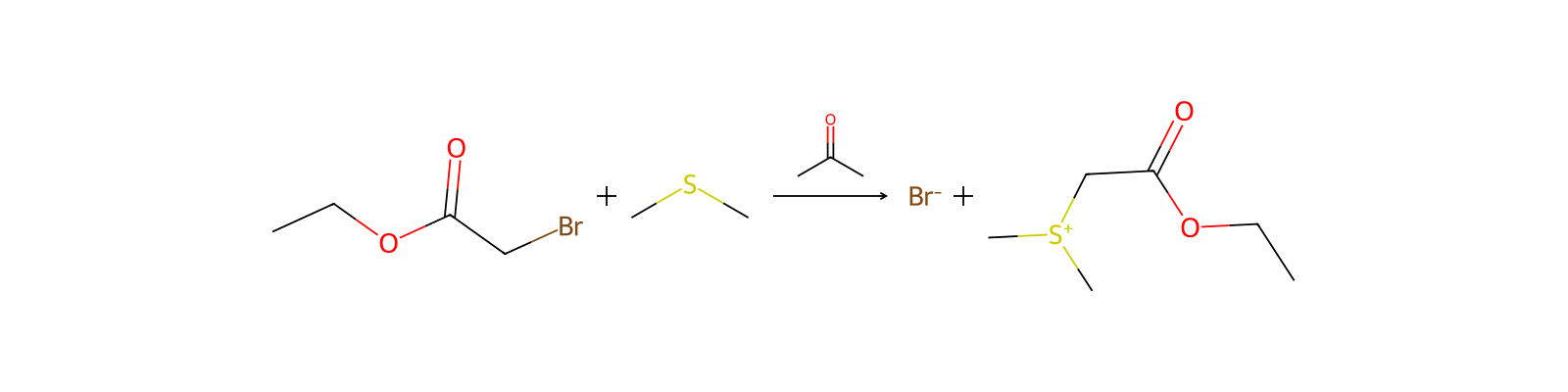
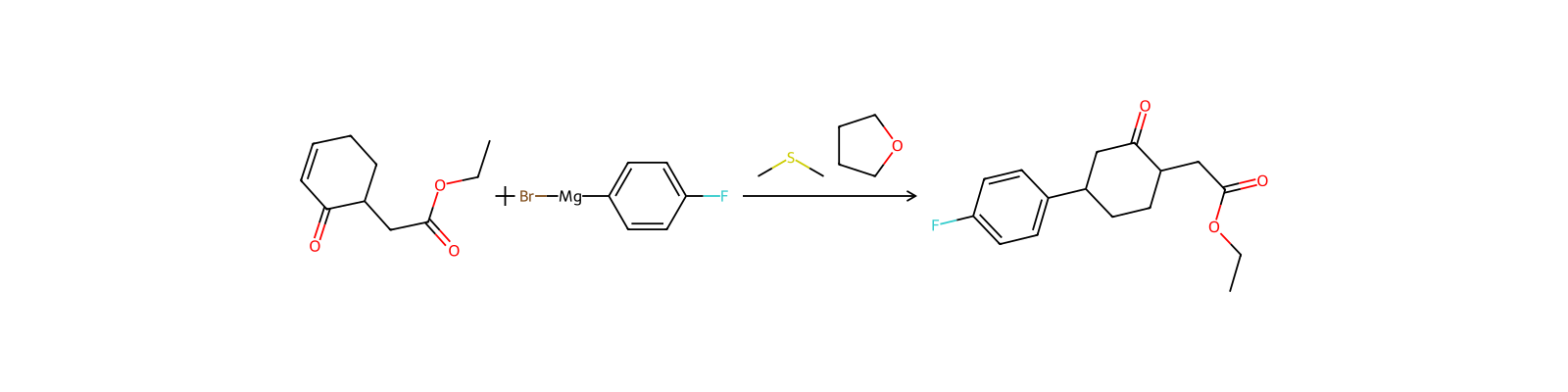
Related reactions
2,086 records




Linked notes
Loading…