
4-Iodophenol

Basic information
- CAS
540-38-5- Standard SMILES
Oc1ccc(I)cc1- InChIKey
VSMDINRNYYEDRN-UHFFFAOYSA-N- Molecular formula
- C6H5IO
- Average molar mass
- 220.01 g/mol
- Monoisotopic mass
- 219.93851
Overview
4-iodophenol is an iodophenol.
Names & identifiers
- Preferred name
- 4-Iodophenol
- IUPAC
- 4-iodophenol
- English name
- 4-Iodophenol
- Molecular formula
- C6H5IO
- Molecular weight
- 220.01
Names & synonyms
4-IODOPHENOL540-38-5p-Iodophenol4-Hydroxyphenyl iodidep-Hydroxyiodobenzenepara-iodophenolDTXSID4052186BH194BAK0BNSC-91464DTXCID4030756CHEBI:43521RefChem:99468
Show more names
4-lodophenoIp-iodo-pheno4-iodo-pheno4-Iodophenol99%I**4-Iodophenol
208-745-5Phenol, 4-iodo-Phenol, p-iodo-4-Hydroxyiodobenzenep-JodphenolMFCD000023274-iodphenol4-iodo-phenol
Database identifiers
- CAS
540-38-5- PubChem CID
- 10894
- DTXSID
DTXSID4052186- ChEMBL
CHEMBL56475- ChEBI
CHEBI:43521- UNII
- BH194BAK0B
- EC Number
- 208-745-5
- Nikkaji
- J53.759D
Properties
Computed structural properties
- XLogP
- 2.9
- Topological polar surface area
- 20.2 Ų
- Hydrogen bond donors
- 1
- Hydrogen bond acceptors
- 1
- Rotatable bonds
- 0
- Heavy atoms
- 8
- Formal charge
- 0
- Complexity
- 66.9
Experimental & physicochemical properties
Chemical ClassesOther Classes -> Phenols
DrugsPharmaceuticals -> Listed in ZINC15
SpringerMaterials Properties13C nuclear magnetic resonance spectrum
LogP2.82
Vapor Pressure0.00616 [mmHg]
Physical DescriptionWhite or reddish solid; [Merck Index] Light beige crystalline solid; [Alfa Aesar MSDS]
Collision Cross Section124.5 Ų [M-H]- [CCS Type: DT; Buffer gas: N2; Ionization: ESI-; Dataset: TOXCAST; Source Identifier: DTXSID4052186]
Physicochemical properties
- Melting point
- 92 · 92-94 °C(lit.)
- Boiling point
- 138 °C5 · 138 °C5 mm Hg(lit.)
- Density
Safety & regulation
Safety information is for reference only and does not replace the supplier’s Safety Data Sheet (SDS), applicable regulations, or professional assessment.
GHS classification
GHS Classification
Danger
H302 (87.5%): Harmful if swallowed [Warning Acute toxicity, oral]
P260, P264, P264+P265, P270, P280, P301+P317, P301+P330+P331, P302+P352, P302+P361+P354, P304+P340, P305+P351+P338, P305+P354+P338, P316, P317, P321, P330, P332+P317, P337+P317, P362+P364, P363, P405, and P501 (click each P-code to see the statement)
Aggregated GHS information provided per 48 reports by companies from 7 notifications to the ECHA C&L Inventory. Each notification may be associated with multiple companies.
Hazard information
Hazards SummaryA skin and strong eye irritant; [Alfa Aesar MSDS] See Phenol. See 4-Fluorophenol.
Hazard Classes and CategoriesAcute Tox. 4 (87.5%)
Safety data
- PPE
- Eyeshields, Faceshields, Gloves, type P3 (EN 143) respirator cartridges
- wgk
- 3
- tsca
- TSCA listed
- rtecs
- SL5600000
- ridadr
- UN 3261 8/PG 3
- hs_code
- 29081900
- risk_code
- 21/22-34-36/37/38-20/21/22
- Signal word
- Warning
- Symbol(GHS)
- GHS07,GHS09
- hazard_code
- C,Xi,Xn
- hazard_note
- Irritant
- safety_code
- 26-36/37/39-45-22
- hazard_class
Chemistry & industry
Pharmacology
Metabolism/Metabolites4-Iodophenol has known human metabolites that include (2S,3S,4S,5R)-3,4,5-trihydroxy-6-(4-iodophenoxy)oxane-2-carboxylic acid.
Uses & manufacturing
General Manufacturing InformationPhenol, 4-iodo-: ACTIVE
Applications
Uses4-Iodophenol is used in chemiluminescence imaging assays and experiments, as diagnostic agents in order to detect cancer cells in patients. It is also utilized in synthesizing agonists for the estrogen β receptor. Additionally, The compound finds extensive applications in various medical industries as well as in human and animal nutrition products such as pharmaceutical intermediates, and polarizing films for Liquid Crystal Display (LCD) chemicals.
Preparation methods
PreparationIt is obtained from 4-Aminophenol by diazotisation and substitution.
Upstream & downstream products
Upstream raw materials
Downstream products
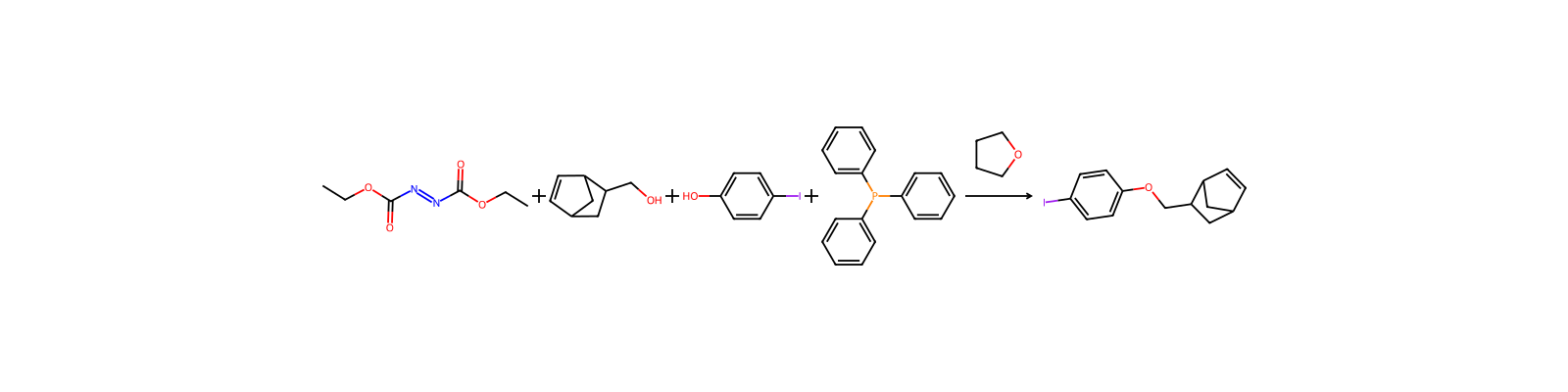
Related reactions
390 records



Compound notes
Loading…