

Basic information
- Standard SMILES
ClCCCl- InChIKey
WSLDOOZREJYCGB-UHFFFAOYSA-N- Molecular formula
- C2H4Cl2
- Average molar mass
- 98.96 g/mol
- Monoisotopic mass
- 97.9690055
Names & identifiers
- Preferred name
- 1,2-Dichloroethane
- IUPAC
- 1,2-dichloroethane
- English name
- 1,2-Dichloroethane
- Molecular formula
- C2H4Cl2
- Molecular weight
- 98.96
Names & synonyms
1,2-dichloroethaneEthylene dichloride107-06-2Ethylene chlorideGlycol dichlorideDutch liquidEthane, 1,2-dichloro-Ethane dichloridesym-DichloroethaneAethylenchloridBrocideDichlor-Mulsion
Show more names
DCEEDC1,2-DCECH2ClCH2Cl1,2-DichlorethanEthane,1,2-dichloro-ethylene dichloride (eDC)
1,2-DichlorethaneDichloro-1,2-ethaneDichloremulsionalpha,beta-Dichloroethane1,2-BichloroethaneBorer solBichlorure D'ethyleneDi-chlor-mulsion
Database identifiers
- CAS
107-06-2- PubChem CID
- 11
- DTXSID
DTXSID6020438- ChEMBL
CHEMBL16370- ChEBI
CHEBI:27789- UNII
- 55163IJI47
- EC Number
- 203-458-1
- Nikkaji
- J4.049E
Properties
Computed structural properties
- XLogP
- 1.5
- Topological polar surface area
- 0 Ų
- Hydrogen bond donors
- 0
- Hydrogen bond acceptors
- 0
- Rotatable bonds
- 1
- Heavy atoms
- 4
- Formal charge
- 0
- Complexity
- 6
Experimental & physicochemical properties
LogP
1.48
log Kow = 1.48
1.48
1.48
LogS-1.06
Odor
Pleasant, chloroform-like
Pleasant odor
Chloroform-like odor
Sweet
TasteSweet taste
Density
1.253 at 68 °F (USCG, 1999) - Denser than water; will sink
1.2454 at 25 °C
Relative density (water = 1): 1.2
1.24
1.2454 @25 °C
1.24
Viscosity0.84 cP at 20 °C
Color/Form
Heavy liquid
Clear, colorless, oily liquid
Clear liquid at ambient temperatures
Colorless liquid [Note: Decomposes slowly, becomes acidic & darkens in color]
Colorless, oily liquid
Solubility
5 to 10 mg/mL at 66 °F (NTP, 1992)
8600
In water, 8,600 mg/L at 25 °C
Solubility in water at 20 °C: 0.86% wt
0.869 g/100 mL water at 20 °C
Miscible with alcohol, chloroform, ether
Corrosivity
Corrodes iron and other metals at elevated temperatures when in contact with water.
Will not corrode metals
Iron and zinc do not corrode when dry 1,2-dichloroethane is used, whereas aluminum shows strong dissolution. Increased water content leads to increased corrosion of iron and zinc; aluminum, however, corrodes less.
Flash Point
56 °F (NTP, 1992)
13.0 °C (55.4 °F) - closed cup - Tested according to Annex V of Directive 67/548/EEC.
56 °F (13 °C) - closed cup
65 °F (18 °C) - open cup.
13 °C c.c.
56 °F
Boiling Point
182.3 °F at 760 mmHg (NTP, 1992)
83.5
83.4 °C
83.00 to 84.00 °C. @ 760.00 mm Hg
83.5 °C
182 °F
Decomposition
Hazardous decomposition products formed under fire conditions - Carbon oxides, hydrogen chloride gas.
When heated to decomposition it emits highly toxic fumes of chloride and phosgene.
Ethylene dichloride decomposes slowly becoming acidic and darkening in color.
Decomposes to vinyl chloride and HCl anove 600 °C.
Physicochemical properties
- Melting point
- -35 °C · -35 °C (lit.)
- Boiling point
- 83 °C · 83 °C (lit.)
- Density
- 1.256 g/mL · 1.256 g/mL at 25 °C (lit.)
- vapor density
- 3.4 · 3.4 (20 °C, vs air)
- vapor pressure
- 87 mm · 87 mm Hg ( 25 °C)
- refractive index
- 20 · n20/D 1.444(lit.)
- Flash point
- 60 °F · 60 °F
- storage temp.
- 0 · 0-6°C
- solubility
- 7.9 g/l · 7.9g/l
- form
- Liquid
- color
- 10 · APHA: ≤10
- Relative polarity
- 0.327 · 0.327
- Odor
- Chloroform-like odor
- explosive limit
- 6.2 · 6.2-15.9%(V)
- Water Solubility
- 8.7 g/L · 8.7 g/L (20 ºC)
- Thermal Conductivity
- 0.133 W/ · 0.133 W/(m·K) at 25 ℃
- Specific Heat Capacity
- 1.3 J/ · Cp(liquid): 1.3 J/(g·K); Cp(gas): 0.8 J/(g·K), at 25℃
- Merck
- 14 · 14,3797
- BRN
- 605264 · 605264
- Henry's Law Constant
- 11.24 at · 11.24 at 30 °C (headspace-GC, Sanz et al., 1997)
- Dielectric constant
- 10.7 · 10.7(20℃)
- Exposure limits
- 10 ppm · ACGIH TLV-TWA:10 ppm (40 mg/m3)OSHA PEL-TWA:50 ppmNIOSH REL-TWA:1 ppm;REL-Ceiling:2 ppm/15 min
- Stability
- Volatile
- InChI
- 1S/C2H4Cl2/c3-1-2-4/h1-2H2
- InChIKey
- WSLDOOZREJYCGB-UHFFFAOYSA-N
- SMILES
- ClCCCl
- EPA Primary Drinking Water Standard
- 0.005 · MCL:0.005,MCLG:zero
- LogP
- 1.45 at · 1.45 at 20℃
- Surface tension
- 33.3 mN/m · 33.3mN/m at 20°C
- Toxicology and Carcinogenesis
- 1 · Bioassay of 1,2-Dichloroethane for Possible Carcinogenicity (CASRN 107-06-2)
- Substances of Very High Concern (SVHC) Candidate List
- 1 · 1,2-dichloroethane (107-06-2)
- Substances Added to Food (formerly EAFUS)
- ETHYLENE DICHLORIDE
- FDA 21 CFR
- 173.23 · 173.230; 173.315; 175.105;176.170; 177.1580; 177.1585;177.2550
- CAS DataBase Reference
- 107 · 107-06-2(CAS DataBase Reference)
- EWG's Food Scores
- 7 · 7-10
- FDA UNII
- 55163 IJI47 · 55163IJI47
- Proposition 65 List
- Ethylene dichloride (1,2-Dichloroethane)
- IARC
- 2 B · 2B (Vol. 20, Sup 7, 71) 1999
- NIST Chemistry Reference
- 1 · Ethane, 1,2-dichloro-(107-06-2)
- EPA Substance Registry System
- 1 · 1,2-Dichloroethane (107-06-2)
- Toxicological Profile|ATSDR
- 1 · 1,2-Dichloroethane |Toxicological Profile|ATSDR
- UNSPSC Code
- 41116107 · 41116107
- NACRES
- 24 · NA.24
- Symbol(GHS)
- 2 · GHS02,GHS07,GHS08
- Signal word
- Danger
- Hazard statements
- 225 · H225-H302-H315-H319-H335-H350
- Precautionary statements
- 210 · P210-P233-P240-P241-P242-P243-P280-P264-P270-P261-P271-P201-P202-P303+P361+P353-P370+P378-P301+P312-P330-P302+P352-P332+P313-P362+P364-P305+P351+P338-P337+P313-P304+P340-P312-P308+P313-P403+P235-P403+P233-P405-P501
- target organs
- Respiratory system
- Hazard Codes
- F,T
- Risk Statements
- 45 · 45-11-22-36/37/38-23/25-23
- Safety Statements
- 53 · 53-45-24-16-7
- OEB
- B
- OEL
- 1 ppm · TWA: 1 ppm (4 mg/m3), STEL: 2 ppm (8 mg/m3) (Chloroethanes)
- RIDADR
- 1184 · UN 1184
- WGK Germany
- 3 · 3
- RTECS
- 525000 · KI0525000
- F
- 3 · 3-10
- Autoignition Temperature
- 775 °F · 775 °F
- TSCA
- TSCA listed
- HS Code
- 2903 · 2903 15 00
- HazardClass
- 3 · 3
- PackingGroup
- II
- Storage Class
- 3 · 3 - Flammable liquids
- Hazard Classifications
- 3 InhalationAcute · Acute Tox. 3 InhalationAcute Tox. 4 OralAsp. Tox. 1Carc. 1BEye Irrit. 2Flam. Liq. 2Skin Irrit. 2STOT SE 3
- Hazardous Substances Data
- 107 · 107-06-2(Hazardous Substances Data)
- Toxicity
- 50 orally · LD50 orally in rats: 770 mg/kg (Smyth)
- IDLA
- 50 ppm · 50 ppm
- REACH Registrations
- Active
- Limited Quantities
- 1 L · 1.0 L (0.3 gallon) (liquid)
- Excepted Quantities
- Max Inner Pack (30g or 30ml) and Max Outer Pack (500g or 500ml)
Safety & regulation
GHS classification
GHS Classification
Danger
H225: Highly Flammable liquid and vapor [Danger Flammable liquids];H302: Harmful if swallowed [Warning Acute toxicity, oral];H315: Causes skin irritation [Warning Skin corrosion/irritation];H319: Causes serious eye irritation [Warning Serious eye damage/eye irritation];H335: May cause respiratory irritation [Warning Specific target organ toxicity, single exposure; Respiratory tract irritation];H350: May cause cancer [Danger Carcinogenicity]
P203, P210, P233, P240, P241, P242, P243, P261, P264, P264+P265, P270, P271, P280, P301+P317, P302+P352, P303+P361+P353, P304+P340, P305+P351+P338, P318, P319, P321, P330, P332+P317, P337+P317, P362+P364, P370+P378, P403+P233, P403+P235, P405, and P501 (click each P-code to see the statement)
Danger
Hazard information
Regulatory Information
Chemical: Ethane, 1,2-dichloro-
Hazard Traits - Carcinogenicity; Cardiovascular Toxicity; Dermatotoxicity; Hepatotoxicity and Digestive System Toxicity; Nephrotoxicity and Other Toxicity to the Urinary System; Neurotoxicity;Authoritative List - ATSDR Neurotoxicants; CA MCLs; CA TACs; CWA 303(c); CWA 303(d); EC Annex VI CMRs - Cat. 1B; IARC Carcinogens - 2B; IRIS Carcinogens - B2; NTP RoC - reasonable; OEHHA RELs; Prop 65;Report - regardless of intended function of ingredient in the product
Commission Regulation No 844/2012
Ethane, 1,2-dichloro- is listed on the EPA's Chemical Data Reporting (CDR) system. Manufacturers and importers of Ethane, 1,2-dichloro- are required to report information about their production and use of this chemical to the EPA under the Toxic Substances Control Act (TSCA). (40 eCFR Part 711)
T - indicates a substance that is the subject of a final TSCA section 4 test rule.
Status: Active Update: 22-03-2023 https://echa.europa.eu/registration-dossier/-/registered-dossier/15430
Other Safety InformationIMAP assessments - Ethane, 1,2-dichloro-: Human health tier II assessment;IMAP assessments - Ethane, 1,2-dichloro-: Environment tier II assessment
DOT LabelFlammable Liquid Poison
Fire Hazards
Special Hazards of Combustion Products: Toxic and irritating gases (hydrogen chloride, phosgene) are generated.;Behavior in Fire: Vapor is heavier than air and may travel considerable distance to a source of ignition and flash back. (USCG, 1999)
· HIGHLY FLAMMABLE: Will be easily ignited by heat, sparks or flames.;CAUTION: Methanol (UN1230) will burn with an invisible flame. Use an alternate method of detection (thermal camera, broom handle, etc.);· Vapors may form explosive mixtures with air.;· Vapors may travel to source of ignition and flash back.;· Most vapors are heavier than air. They will spread along the ground and collect in low or confined areas (sewers, basements, tanks, etc.).;· Vapor explosion and poison hazard indoors, outdoors or in sewers.;· Those substances designated with a (P) may polymerize explosively when heated or involved in a fire.;· Runoff to sewer may create fire or explosion hazard.;· Containers may explode when heated.;· Many liquids will float on water.
Highly flammable. Gives off irritating or toxic fumes (or gases) in a fire. Vapour/air mixtures are explosive. Heating will cause rise in pressure with risk of bursting.
Fire PotentialFlammable liquid. A dangerous fire hazard if exposed to heat, flame, or oxidizers.
Health Hazards
Inhalation of vapors causes nausea, drunkenness, depression. Contact of liquid with eyes may produce corneal injury. Prolonged contact with skin may cause a burn. (USCG, 1999)
· TOXIC; may be fatal if inhaled, ingested or absorbed through skin.;· Inhalation or contact with some of these materials will irritate or burn skin and eyes.;· Methyl chloroacetate (UN2295) is an eye irritant/lachrymator (causes flow of tears).;· Fire will produce irritating, corrosive and/or toxic gases.;· Vapors may cause dizziness or asphyxiation, especially when in closed or confined areas.;· Runoff from fire control or dilution water may cause environmental contamination.
Hazards Summary
1,2-Dichloroethane, also called ethylene dichloride, is a manufactured chemical that is not found naturally in the environment. It is a clear liquid and has a pleasant smell and sweet taste. The most common use of 1,2-dichloroethane is in the production of vinyl chloride which is used to make a variety of plastic and vinyl products including polyvinyl chloride (PVC) pipes, furniture and automobile upholstery, wall coverings, housewares, and automobile parts. It is also used to as a solvent and is added to leaded gasoline to remove lead.
Exposure to low levels of ethylene dichloride can occur from breathing ambient or workplace air. Inhalation of concentrated ethylene dichloride vapor can induce effects on the human nervous system, liver, and kidneys, as well as respiratory distress, cardiac arrhythmia, nausea, and vomiting. Chronic (long-term) inhalation exposure to ethylene dichloride produced effects on the liver and kidneys in animals. No information is available on the reproductive or developmental effects of ethylene dichloride in humans. Decreased fertility and increased embryo mortality have been observed in inhalation studies of rats. Epidemiological studies are not conclusive regarding the carcinogenic effects of ethylene dichloride, due to concomitant exposure to other chemicals. Following treatment by gavage (experimentally placing the chemical in the stomach), several tumor types were induced in rats and mice. EPA has classified ethylene dichloride as a Group B2, probable human carcinogen.
Liquid causes first degree burns on short exposure; [CHRIS] Can cause nausea and vomiting, narcosis, liver and kidney injury, and death after high inhalation exposure; [ACGIH]
DOT ID and Guide
1184 131
1184 131
FDA Requirements
Ethylene dichloride is an indirect food additive for use as a component of adhesives.
A tolerance of 30 parts per million is established for ethylene dichloride in spice oleoresins when present therein as a residue from the extraction of spice; Provided, however, That if residues of other chlorinated solvents are also present the total of all residues of such solvents shall not exceed 30 parts per million.
The food additive ethylene dichloride may be safely used in the manufacture of animal feeds in accordance with the following prescribed conditions: (a) It is used as a solvent in the extraction processing of animal byproducts for use in animal feeds. (b) The maximum quantity of the additive permitted to remain in or on the extracted byproducts shall not exceed 300 parts per million. (c) The extracted animal byproduct is added as a source of protein to a total ration at levels consistent with good feeding practices, but in no event at levels exceeding 13 percent of the total ration.
Reactive GroupHalogenated Organic Compounds
EC ClassificationSymbol: F, T; R: 45-11-22-36/37/38; S: 53-45; Note: E
UN ClassificationUN Hazard Class: 3; UN Subsidiary Risks: 6.1; UN Pack Group: II
Safety & protection
Fire Fighting
Excerpt from ERG Guide 131 [Flammable Liquids - Toxic]:;CAUTION: The majority of these products have a very low flash point. Use of water spray when fighting fire may be inefficient. CAUTION: Methanol (UN1230) will burn with an invisible flame. Use an alternate method of detection (thermal camera, broom handle, etc.).;SMALL FIRE: Dry chemical, CO2, water spray or alcohol-resistant foam.;LARGE FIRE: Water spray, fog or alcohol-resistant foam. If it can be done safely, move undamaged containers away from the area around the fire. Dike runoff from fire control for later disposal. Avoid aiming straight or solid streams directly onto the product.;FIRE INVOLVING TANKS, RAIL TANK CARS OR HIGHWAY TANKS: Fight fire from maximum distance or use unmanned master stream devices or monitor nozzles. Cool containers with flooding quantities of water until well after fire is out. Withdraw immediately in case of rising sound from venting safety devices or discoloration of tank. ALWAYS stay away from tanks in direct contact with flames. For massive fire, use unmanned master stream devices or monitor nozzles; if this is impossible, withdraw from area and let fire burn. (ERG, 2024)
Use water spray, foam, powder, carbon dioxide. In case of fire: keep drums, etc., cool by spraying with water.
First Aid Measures
Fresh air, rest. Half-upright position. Administration of oxygen may be needed. Artificial respiration may be needed. Refer immediately for medical attention.
Remove contaminated clothes. Rinse and then wash skin with water and soap. Refer immediately for medical attention.
First rinse with plenty of water for several minutes (remove contact lenses if easily possible), then refer for medical attention.
Rinse mouth. Do NOT induce vomiting. Give one or two glasses of water to drink. Refer immediately for medical attention.
Accidental Release Measures
· CALL 911. Then call emergency response telephone number on shipping paper. If shipping paper not available or no answer, refer to appropriate telephone number listed on the inside back cover.;· Keep unauthorized personnel away.;· Stay upwind, uphill and/or upstream.;· Ventilate closed spaces before entering, but only if properly trained and equipped.
· ELIMINATE all ignition sources (no smoking, flares, sparks or flames) from immediate area.;· All equipment used when handling the product must be grounded.;· Do not touch or walk through spilled material.;· Stop leak if you can do it without risk.;· Prevent entry into waterways, sewers, basements or confined areas.;· A vapor-suppressing foam may be used to reduce vapors.;Small Spill;· Absorb with earth, sand or other non-combustible material and transfer to containers for later disposal.;· Use clean, non-sparking tools to collect absorbed material.;Large Spill;· Dike far ahead of liquid spill for later disposal.;· Water spray may reduce vapor, but may not prevent ignition in closed spaces.
First Aid
EYES: First check the victim for contact lenses and remove if present. Flush victim's eyes with water or normal saline solution for 20 to 30 minutes while simultaneously calling a hospital or poison control center. Do not put any ointments, oils, or medication in the victim's eyes without specific instructions from a physician. IMMEDIATELY transport the victim after flushing eyes to a hospital even if no symptoms (such as redness or irritation) develop.;SKIN: IMMEDIATELY flood affected skin with water while removing and isolating all contaminated clothing. Gently wash all affected skin areas thoroughly with soap and water. IMMEDIATELY call a hospital or poison control center even if no symptoms (such as redness or irritation) develop. IMMEDIATELY transport the victim to a hospital for treatment after washing the affected areas.;INHALATION: IMMEDIATELY leave the contaminated area; take deep breaths of fresh air. IMMEDIATELY call a physician and be prepared to transport the victim to a hospital even if no symptoms (such as wheezing, coughing, shortness of breath, or burning in the mouth, throat, or chest) develop. Provide proper respiratory protection to rescuers entering an unknown atmosphere. Whenever possible, Self-Contained Breathing Apparatus (SCBA) should be used; if not available, use a level of protection greater than or equal to that advised under Protective Clothing.;INGESTION: DO NOT INDUCE VOMITING. Volatile chemicals have a high risk of being aspirated into the victim's lungs during vomiting which increases the medical problems. If the victim is conscious and not convulsing, give 1 or 2 glasses of water to dilute the chemical and IMMEDIATELY call a hospital or poison control center. IMMEDIATELY transport the victim to a hospital. If the victim is convulsing or unconscious, do not give anything by mouth, ensure that the victim's airway is open and lay the victim on his/her side with the head lower than the body. DO NOT INDUCE VOMITING. IMMEDIATELY transport the victim to a hospital.;OTHER: Since this chemical is a known or suspected carcinogen you should contact a physician for advice regarding the possible long term health effects and potential recommendation for medical monitoring. Recommendations from the physician will depend upon the specific compound, its chemical, physical and toxicity properties, the exposure level, length of exposure, and the route of exposure. (NTP, 1992)
General First Aid:;· Call 911 or emergency medical service.;· Ensure that medical personnel are aware of the material(s) involved, take precautions to protect themselves and avoid contamination.;· Move victim to fresh air if it can be done safely.;· Administer oxygen if breathing is difficult.;· If victim is not breathing:;-- DO NOT perform mouth-to-mouth resuscitation; the victim may have ingested or inhaled the substance.;-- If equipped and pulse detected, wash face and mouth, then give artificial respiration using a proper respiratory medical device (bag-valve mask, pocket mask equipped with a one-way valve or other device).;-- If no pulse detected or no respiratory medical device available, provide continuous compressions. Conduct a pulse check every two minutes or monitor for any signs of spontaneous respirations.;· Remove and isolate contaminated clothing and shoes.;· For minor skin contact, avoid spreading material on unaffected skin.;· In case of contact with substance, remove immediately by flushing skin or eyes with running water for at least 20 minutes.;· For severe burns, immediate medical attention is required.;· Effects of exposure (inhalation, ingestion, or skin contact) to substance may be delayed.;· Keep victim calm and warm.;· Keep victim under observation.;· For further assistance, contact your local Poison Control Center.;· Note: Basic Life Support (BLS) and Advanced Life Support (ALS) should be done by trained professionals.;Specific First Aid:;· Wash skin with soap and water.
(General first aid procedures);Eye: Irrigate immediately - If this chemical contacts the eyes, immediately wash (irrigate) the eyes with large amounts of water, occasionally lifting the lower and upper lids. Get medical attention immediately.;Skin: Soap wash promptly - If this chemical contacts the skin, promptly wash the contaminated skin with soap and water. If this chemical penetrates the clothing, promptly remove the clothing and wash the skin with soap and water. Get medical attention promptly.;Breathing: Respiratory support;Swallow: Medical attention immediately - If this chemical has been swallowed, get medical attention immediately.
Safe StorageFireproof. Separated from food and feedstuffs and incompatible materials. See Chemical Dangers. Cool. Dry. Well closed. Store in an area without drain or sewer access.
Firefighting Hazards
Vapors are heavier than air and will collect in low areas. Vapors may travel long distances to ignition sources and flashback. Vapors in confined areas may explode when exposed to fire. Containers may explode in fire. Storage containers and parts of containers may rocket great distances, in many directions.
Vapors are heavier than air and may travel to a source of ignition and flash back.
Exposure Control and Personal Protection
· Wear positive pressure self-contained breathing apparatus (SCBA).;· Wear chemical protective clothing that is specifically recommended by the manufacturer when there is NO RISK OF FIRE.;· Structural firefighters' protective clothing provides thermal protection but only limited chemical protection.
Fire Fighting Procedures
Suitable extinguishing media: Use water spray, alcohol-resistant foam, dry chemical or carbon dioxide.
Advice for firefighters: Wear self-contained breathing apparatus for firefighting if necessary.
Use water spray to cool unopened containers.
Do not extinguish until release can be stopped. Cool fire-exposed containers with water staying clear of tank ends.
For more Fire Fighting Procedures (Complete) data for 1,2-Dichloroethane (9 total), please visit the HSDB record page.
Storage Conditions
Fireproof. Separated from food and feedstuffs and incompatible materials. See Chemical Dangers. Cool. Dry. Well closed. Store in an area without drain or sewer access.
Keep container tightly closed in a dry and well-ventilated place. Containers which are opened must be carefully resealed and kept upright to prevent leakage. Storage class (TRGS 510): 3: Flammable liquids.
Store in a flammable liquid storage area or approved cabinet away from ignition sources and corrosive and reactive materials. Prior to working with this chemical you should be trained on its proper handling and storage. Before entering confined space where this chemical may be present, check to make sure that an explosive concentration does not exist. Store in tightly closed containers in a cool, dry, well-ventilated area away from oxidizers (such as perchlorates, peroxides, permanganates, chlorates, and nitrates), strong acids (such as hydrochloric, sulfuric, and nitric), chemically active metals (such as potassium, sodium, magnesium, and zinc), strong caustics (such as sodium hydroxide), and dimethylaminopropylamine since violent reactions occur. A regulated, marked area should be established where this chemical is handled, used, or stored in compliance with OSHA Standard 1910.1045.
PRECAUTIONS FOR "CARCINOGENS": Storage site should be as close as practicable to lab in which carcinogens are to be used, so that only small quantities required for ... expt need to be carried. Carcinogens should be kept in only one section of cupboard, an explosion-proof refrigerator or freezer (depending on chemicophysical properties ...) that bears appropriate label. An inventory ... should be kept, showing quantity of carcinogen & date it was acquired ... Facilities for dispensing ... should be contiguous to storage area. /Chemical Carcinogens/
Store in a cool, dry well ventilated location. Separate from oxidizing materials, aluminum, ammonia.
Cleanup Methods
Evacuate danger area! Consult an expert! Personal protection: filter respirator for organic gases and vapours adapted to the airborne concentration of the substance. Ventilation. Do NOT let this chemical enter the environment. Do NOT wash away into sewer. Collect leaking and spilled liquid in sealable containers as far as possible. Absorb remaining liquid in sand or inert absorbent. Then store and dispose of according to local regulations.
ACCIDENTAL RELEASE MEASURES: Personal precautions, protective equipment and emergency procedures: Wear respiratory protection. Avoid breathing vapors, mist or gas. Ensure adequate ventilation. Remove all sources of ignition. Evacuate personnel to safe areas. Beware of vapors accumulating to form explosive concentrations. Vapors can accumulate in low areas. Environmental precautions: Prevent further leakage or spillage if safe to do so. Do not let product enter drains. Methods and materials for containment and cleaning up: Contain spillage, and then collect with an electrically protected vacuum cleaner or by wet-brushing and place in container for disposal according to local regulations.
Environmental considerations- land spill: Dig a pit, pond, lagoon, holding area to contain liquid or solid material. /SRP: If time permits, pits, ponds, lagoons, soak holes, or holding areas should be sealed with an impermeable flexible membrane liner./ Dike surface flow using soil, sand bags, foamed polyurethane, or foamed concrete. Absorb bulk liquid with fly ash, cement powder, or commercial sorbents. Apply "universal" gelling agent to immobilize spill. Apply appropriate foam to diminish vapor and fire hazard.
Environmental considerations- water spill: Use natural deep water pockets, excavated lagoons, or sand bag barriers to trap material at bottom. If dissolved, in region of 10 ppm or greater concentration, apply activated carbon at ten times the spilled amount. Remove trapped material with suction hoses. Use mechanical dredges or lifts to remove immobilized masses of pollutants and precipitates.
For more Cleanup Methods (Complete) data for 1,2-Dichloroethane (12 total), please visit the HSDB record page.
Nonfire Spill Response
Excerpt from ERG Guide 131 [Flammable Liquids - Toxic]:;ELIMINATE all ignition sources (no smoking, flares, sparks or flames) from immediate area. All equipment used when handling the product must be grounded. Do not touch or walk through spilled material. Stop leak if you can do it without risk. Prevent entry into waterways, sewers, basements or confined areas. A vapor-suppressing foam may be used to reduce vapors.;SMALL SPILL: Absorb with earth, sand or other non-combustible material and transfer to containers for later disposal. Use clean, non-sparking tools to collect absorbed material.;LARGE SPILL: Dike far ahead of liquid spill for later disposal. Water spray may reduce vapor, but may not prevent ignition in closed spaces. (ERG, 2024)
Disposal Methods
Generators of waste (equal to or greater than 100 kg/mo) containing this contaminant, EPA hazardous waste number U077 and D028, must conform with USEPA regulations in storage, transportation, treatment and disposal of waste.
Product: Burn in a chemical incinerator equipped with an afterburner and scrubber but exert extra care in igniting as this material is highly flammable. Offer surplus and non-recyclable solutions to a licensed disposal company. Contact a licensed professional waste disposal service to dispose of this material; Contaminated packaging: Dispose of as unused product.
SRP: Wastewater from contaminant suppression, cleaning of protective clothing/equipment, or contaminated sites should be contained and evaluated for subject chemical or decomposition product concentrations. Concentrations shall be lower than applicable environmental discharge or disposal criteria. Alternatively, pretreatment and/or discharge to a permitted wastewater treatment facility is acceptable only after review by the governing authority and assurance that "pass through" violations will not occur. Due consideration shall be given to remediation worker exposure (inhalation, dermal and ingestion) as well as fate during treatment, transfer and disposal. If it is not practicable to manage the chemical in this fashion, it must be evaluated in accordance with EPA 40 CFR Part 261, specifically Subpart B, in order to determine the appropriate local, state and federal requirements for disposal.
Waste must never be discharged into sewers or surface waters. Contaminated porous surfaces (sand, vemiculite, etc) should be disposed of at a waste management facility. Recovered liquids may be reprocessed, incinerated, or treated at a waste management facility.
For more Disposal Methods (Complete) data for 1,2-Dichloroethane (20 total), please visit the HSDB record page.
Toxicology
Toxicological InformationCDC-ATSDR Toxicological Profile
Body Burden
1,2-Dichloroethane was detected in expired breath (4 of 9) and urine (3 of 9) from 9 individuals living in Love Canal, Niagra Falls, NY collected Jul 1978 at trace-240 ng/cu m and 50-140 ng/L, respectively(1). It was detected in mothers' milk of women that had occupational exposure of up to 14 ppm at a concentration of 5.4-6.4 ppm immediately after exposure(2).
Treatment
Blood gases should be monitored, a good ventilation maintained, and cardiac arrhythmias observed for a minimum of 24 hours. In the event of a ventricular arrhythmia, lidocaine or beta-blockers could be administered. Serum creatinine, hepatic aminotransferase, electrolytes, and fluid balance for signs of hepatic or renal failure should be monitored. Dialysis may be helpful in the event of renal failure. Hepatic failure may be treated with fresh frozen plasma, vitamin K, low protein diet, neomycin, and lactulose. (L156)
Cancer Sites[in animals: forestomach, mammary gland & circulatory sys cancer]
Interactions
Our previous investigations demonstrated that 1,2-dichloroethane (DCE) and chronic ethanol treatment separately are able to impair glycoprotein metabolism and secretion, and reduce dolichol concentration in liver membranes. The purpose of this study was to investigate whether chronic ethanol consumption can induce potentiation of rat liver damage due to DCE haloalkane used in several chemical processes and in agriculture. Rats were given 36% of their total energy as ethanol in the Lieber-DeCarli liquid diet for 8 weeks (CH group). The pair-fed control group received an isocaloric amount of dextrine-maltose (PF group). "In vitro" experiments: the DCE (6.5 mM) treatment of isolated hepatocytes from CH rats enhanced glycoprotein retention and further reduced glycoprotein secretion and (14)C-glucosamine incorporation compared to the hepatocytes from CH or from PF and DCE treated rats. "In vivo" experiments: a marked decrease of dolichol concentration in microsomes (in which dolichyl phosphate is rate-limiting for the initial glycosylation of protein) and in Golgi membranes (in which total dolichol is very important for membrane permeability, fluidity and vesicle fusion) was observed in CH rats acutely treated with 628 mg/kg bw of DCE (CH+DCE) compared with CH or PF+DCE treated rats. These data suggest that chronic ethanol consumption increases DCE liver toxicity by affecting protein glycosylation processes and impairing glycolipoprotein secretion, with a concomitant retention at the level of the Golgi apparatus.
It was established that acute poisoning of rats by 1,2-dichloroethane induced considerable changes in lipid peroxidation indices, glutathione content and activity of antioxidant enzymes--superoxidase, catalase, glutathione peroxidase in the brain tissue, erythrocytes and blood plasma. It was shown that nicotinamide in the dose of 200 mg/kg prevented considerable degree of the intoxication caused by 1,2-dichloroethane as well as activation of lipid peroxidation and inhibition of antioxidant defense enzyme activities in tissue of experimental animals.
Alpha-proteinase inhibitor can be inactivated by aldehydes found in the cigarette smoke as well as by industrial chemicals. Studies demonstrate the synergistic inactivation of alpha-proteinase inhibitor by 1,2-dichloroethane when mixed with acrolein or pyruvic aldehyde. Smokers exposed to the chemical may be more prone to lung emphysema due to synergistic inactivation of alpha-proteinase inhibitor by chemicals and cigarette smoke components.
... Prior to exposure to ethylene dichloride (EDC) groups of male mice were pretreated with phenobarbital or 3-methylcholanthrene to induce metabolism. Other mice were administered SKF525A before ethylene dichloride exposure to inhibit cytochrome p450 metabolism. Following the different pretreatments, mice were exposed to ethylene dichloride at selected concentrations (1000, 1250, or 1500 ppm). Exposure to ethylene dichloride, without pretreatment, produced a dose-dependent increase in mortality at 24 and 48 hr postexposure. This response was enhanced at all concentrations of EDC by phenobarbital pretreatment and attenuated by the administration of SKF 525A. Pretreatment with 3-methylcholanthrene prior to ethylene dichloride exposure at 1000 ppm also produced an increase in mortality as compared to ethylene dichloride exposure without pretreatment. Exposure to ethylene dichloride was associated with an increased kidney wt/body wt ratio. SKF 525A pretreatment prevented the increase in the kidney wt/body wt ratio at an ethylene dichloride exposure concn of 1000 ppm. Pathological changes produced in the kidneys of mice exposed to ethylene dichloride were decreased by SKF 525A pretreatment.
For more Interactions (Complete) data for 1,2-Dichloroethane (13 total), please visit the HSDB record page.
Target Organs
Cancer, Developmental (effects while organs are developing), Gastrointestinal (Stomach and Intestines, part of the digestive system), Hepatic (Liver), Immunological (Immune System), Neurological (Nervous System), Ocular (Eyes), Renal (Urinary System or Kidneys), Reproductive (Producing Children)
Eyes, skin, kidneys, liver, central nervous system, cardiovascular system
Health Effects
Breathing or swallowing large amounts of 1,2-dichloroethane can produce nervous system disorders, kidney diseases, or lung effects. This can also lead to heart failure. Skin lesions and benign pulmonary tumors were reported in animals exposed dermally to liquid 1,2-dichloroethane. 1,2-dichloroethane can cause death from cardiac arrhythmia, bronchitis, hemorrhagic gastritis and colitis, hepatocellular damage, renal tubular necrosis and calcification, central nervous system depression, and histological changes in brain tissue after a sufficient single oral dose. (L156)
Ecotoxicity Values
LC50; Species: Daphnia magna (water flea); Concentration: 218,000 ug/L for 48 hr /Conditions of bioassay not specified/
LC50; Species: Mysid shrimp; Concentration: 113,000 ug/L for 96 hr in salt water /Conditions of bioassay not specified/
LC50; Species: Gammarus fasciatus (Scud) mature; Conditions: static bioassay; Concentration: >100 mg/L for 96 hr at 21 °C
LC50; Species: Pteronarcys (Stonefly) second year class; Conditions: static bioassay, 15 °C; Concentration: >100 mg/L for 96 hr
For more Ecotoxicity Values (Complete) data for 1,2-Dichloroethane (17 total), please visit the HSDB record page.
Environmental Fate
TERRESTRIAL FATE: Based on a classification scheme(1), a Koc value of 33(2), indicates that 1,2-dichloroethane is expected to have very high mobility in soil(SRC). Volatilization of 1,2-dichloroethane from moist soil surfaces is expected(SRC) given a Henry's Law constant of 1.18X10⁻³ atm-cu m/mole(3). 1,2-Dichloroethane is expected to volatilize from dry soil surfaces(SRC) based upon a vapor pressure of 78.9 mm Hg at 25 °C(4). A 0% of Theoretical BOD using activated sludge in the Japanese MITI test(5) suggests that biodegradation is not expected in soil(SRC).
AQUATIC FATE: Based on a classification scheme(1), a Koc value of 33(2), indicates that 1,2-dichloroethane is not expected to adsorb to suspended solids and sediment(SRC). Volatilization from water surfaces is expected(3) based upon a Henry's Law constant of 1.18X10⁻³ atm-cu m/mole(4). Using this Henry's Law constant and an estimation method(3), volatilization half-lives for a model river and model lake are 4 hours and 4 days, respectively(SRC). 1,2-Dichloroethane is not expected to undergo hydrolysis based on an approximated hydrolysis half-life of 50,000 years(5). According to a classification scheme(6), a reported BCF of 2(7), measured in fish, suggests the potential for bioconcentration in aquatic organisms is low. 1,2-Dichloroethane was 0% degraded after 21 days in the modified shake flask test(8), suggesting that biodegradation is not expected to be an important environmental fate process in water(SRC).
ATMOSPHERIC FATE: According to a model of gas/particle partitioning of semivolatile organic compounds in the atmosphere(1), 1,2-dichloroethane, which has a vapor pressure of 78.9 mm Hg at 25 °C(2), is expected to exist solely as a vapor in the ambient atmosphere. Vapor-phase 1,2-dichloroethane is degraded in the atmosphere by reaction with photochemically-produced hydroxyl radicals(SRC); the half-life for this reaction in air is estimated to be 65 days(SRC), calculated from its rate constant of 2.48X10⁻¹³ cu cm/molecule-sec at 25 °C(3). 1,2-Dichloroethane does not contain chromophores that absorb at wavelengths >290 nm(4) and, therefore, is not expected to be susceptible to direct photolysis by sunlight(SRC). The tropospheric half-life of 1,2-dichloroethane in England has been reported as 17 weeks(5).
Food Survey Values
Market basket samplings of meat, oil and fats, tea, fruits and vegetables contained 1,2-dichloroethane at 1-10 ppb, the largest amount being found in olive oil(1). It was not detected in wheat, flour, bran, middings and bread(1). In 11 of 17 spice oleo-resins, 1,2-dichloroethane was detected at 2-23 ppm(1-2). In 549 food items surveyed, 1,2-dichloroethane was detected at 30 ng/g in 1 sample(3). 1,2-Dichloroethane was detected in 8 of 20 samplings of fruit flavored cereal at 16-144 ppb; it was not detected in the other 69 foods sampled during the US FDA total diet program that was run 1996 to 2000 which were sampled four times a year(4).
Adverse Effects
Neurotoxin - Acute solvent syndrome;Occupational hepatotoxin - Primary hepatotoxins: the toxic effect to the liver is the principal adverse effect of the chemical.;Nephrotoxin - The chemical is potentially toxic to the kidneys in the occupational setting.;Dermatotoxin - Skin burns.;IARC Carcinogen - Class 3: Chemicals are not classifiable by the International Agency for Research on Cancer.;NTP Carcinogen - Reasonably anticipated to be a human carcinogen.;ACGIH Carcinogen - Not Classifiable.
Exposure Routes
The substance can be absorbed into the body by inhalation of its vapour, through the skin and by ingestion.
inhalation, ingestion, skin absorption, skin and/or eye contact
Oral (L157); inhalation (L157) ; dermal (L157)
Regulatory information
Regulatory Information
Chemical: Ethane, 1,2-dichloro-
Hazard Traits - Carcinogenicity; Cardiovascular Toxicity; Dermatotoxicity; Hepatotoxicity and Digestive System Toxicity; Nephrotoxicity and Other Toxicity to the Urinary System; Neurotoxicity;Authoritative List - ATSDR Neurotoxicants; CA MCLs; CA TACs; CWA 303(c); CWA 303(d); EC Annex VI CMRs - Cat. 1B; IARC Carcinogens - 2B; IRIS Carcinogens - B2; NTP RoC - reasonable; OEHHA RELs; Prop 65;Report - regardless of intended function of ingredient in the product
Commission Regulation No 844/2012
Ethane, 1,2-dichloro- is listed on the EPA's Chemical Data Reporting (CDR) system. Manufacturers and importers of Ethane, 1,2-dichloro- are required to report information about their production and use of this chemical to the EPA under the Toxic Substances Control Act (TSCA). (40 eCFR Part 711)
T - indicates a substance that is the subject of a final TSCA section 4 test rule.
Status: Active Update: 22-03-2023 https://echa.europa.eu/registration-dossier/-/registered-dossier/15430
FDA Requirements
Ethylene dichloride is an indirect food additive for use as a component of adhesives.
A tolerance of 30 parts per million is established for ethylene dichloride in spice oleoresins when present therein as a residue from the extraction of spice; Provided, however, That if residues of other chlorinated solvents are also present the total of all residues of such solvents shall not exceed 30 parts per million.
The food additive ethylene dichloride may be safely used in the manufacture of animal feeds in accordance with the following prescribed conditions: (a) It is used as a solvent in the extraction processing of animal byproducts for use in animal feeds. (b) The maximum quantity of the additive permitted to remain in or on the extracted byproducts shall not exceed 300 parts per million. (c) The extracted animal byproduct is added as a source of protein to a total ration at levels consistent with good feeding practices, but in no event at levels exceeding 13 percent of the total ration.
RCRA Requirements
D028; A solid waste containing 1,2-dichloroethane may or may not become characterized as a hazardous waste when subjected to the Toxicity Characteristic Leaching Procedure listed in 40 CFR 261.24, and if so characterized, must be managed as a hazardous waste.
U077; As stipulated in 40 CFR 261.33, when 1,2-dichloroethane, as a commercial chemical product or manufacturing chemical intermediate or an off-specification commercial chemical product or a manufacturing chemical intermediate, becomes a waste, it must be managed according to Federal and/or State hazardous waste regulations. Also defined as a hazardous waste is any residue, contaminated soil, water, or other debris resulting from the cleanup of a spill, into water or on dry land, of this waste. Generators of small quantities of this waste may qualify for partial exclusion from hazardous waste regulations (40 CFR 261.5).
TSCA Requirements
Section 8(a) of TSCA requires manufacturers of this chemical substance to report preliminary assessment information concerned with production, exposure, and use to EPA as cited in the preamble in 51 FR 41329. Effective date: 8/4/95; Reporting date: 10/3/95.
Pursuant to section 8(d) of TSCA, EPA promulgated a model Health and Safety Data Reporting Rule. The section 8(d) model rule requires manufacturers, importers, and processors of listed chemical substances and mixtures to submit to EPA copies and lists of unpublished health and safety studies. 1,2-Dichloroethane is included on this list. Effective date: 6/1/87; Sunset date: 6/1/97.
Atmospheric Standards
This action promulgates standards of performance for equipment leaks of Volatile Organic Compounds (VOC) in the Synthetic Organic Chemical Manufacturing Industry (SOCMI). The intended effect of these standards is to require all newly constructed, modified, and reconstructed SOCMI process units to use the best demonstrated system of continuous emission reduction for equipment leaks of VOC, considering costs, non air quality health and environmental impact and energy requirements. 1,2-Dichloroethane is produced, as an intermediate or final product, by process units covered under this subpart.
Listed as a hazardous air pollutant (HAP) generally known or suspected to cause serious health problems. The Clean Air Act, as amended in 1990, directs EPA to set standards requiring major sources to sharply reduce routine emissions of toxic pollutants. EPA is required to establish and phase in specific performance based standards for all air emission sources that emit one or more of the listed pollutants. 1,2-Dichloroethane is included on this list.
CERCLA Reportable Quantities
Persons in charge of vessels or facilities are required to notify the National Response Center (NRC) immediately, when there is a release of this designated hazardous substance, in an amount equal to or greater than its reportable quantity of 100 lb or 45.4 kg. The toll free number of the NRC is (800) 424-8802. The rule for determining when notification is required is stated in 40 CFR 302.4 (section IV. D.3.b).
Clean Water Act Requirements
Ethylene dichloride is designated as a hazardous substance under section 311(b)(2)(A) of the Federal Water Pollution Control Act and further regulated by the Clean Water Act Amendments of 1977 and 1978. These regulations apply to discharges of this substance. This designation includes any isomers and hydrates, as well as any solutions and mixtures containing this substance.
State Drinking Water Standards
(CA) CALIFORNIA 0.5 ug/L
(FL) FLORIDA 3 ug/L
(NJ) NEW JERSEY 2 ug/L
State Drinking Water Guidelines
(AZ) ARIZONA 0.38 ug/L
(CT) CONNECTICUT 1 ug/L
(ME) MAINE 4 ug/L
(MN) MINNESOTA 4 ug/L
Federal Drinking Water Standards
Maximum contaminant levels (MCL) for organic contaminants apply to community and non-transient, non-community water systems: 1,2-Dichloroethane, MCL 0.005 mg/L.
EPA 5 ug/L
Federal Drinking Water GuidelinesThe maximum contaminant level goal (MCLG) for the following organic contaminant is zero mg/L: 1,2-dichloroethane.
Safety data
- F
- 3-10
- OEB
- B
- OEL
- TWA: 1 ppm (4 mg/m3), STEL: 2 ppm (8 mg/m3) (Chloroethanes)
- wgk
- 3
- IDLA
- 50 ppm
- tsca
- TSCA listed
- rtecs
- KI0525000
- ridadr
- UN 1184
- hs_code
- 2903 15 00
- Toxicity
- LD50 orally in rats: 770 mg/kg (Smyth)
- risk_code
- 45-11-22-36/37/38-23/25-23
- Signal word
- Danger
- Symbol(GHS)
- GHS02,GHS07,GHS08
- hazard_code
- F,T
- safety_code
- 53-45-24-16-7
- hazard_class
- 3
- Storage Class
- 3 - Flammable liquids
- packing_group
- II
- target organs
- Respiratory system
- Hazard statements
- H225-H302-H315-H319-H335-H350
- Limited Quantities
- 1.0 L (0.3 gallon) (liquid)
- Excepted Quantities
- Max Inner Pack (30g or 30ml) and Max Outer Pack (500g or 500ml)
- REACH Registrations
- Active
- Hazard Classifications
- Acute Tox. 3 InhalationAcute Tox. 4 OralAsp. Tox. 1Carc. 1BEye Irrit. 2Flam. Liq. 2Skin Irrit. 2STOT SE 3
- Autoignition Temperature
- 775 °F
- Precautionary statements
- P210-P233-P240-P241-P242-P243-P280-P264-P270-P261-P271-P201-P202-P303+P361+P353-P370+P378-P301+P312-P330-P302+P352-P332+P313-P362+P364-P305+P351+P338-P337+P313-P304+P340-P312-P308+P313-P403+P235-P403+P233-P405-P501
- Hazardous Substances Data
- 107-06-2(Hazardous Substances Data)
Chemistry & industry
Pharmacology
Mechanism of Action
The mechanism of the hepatocellular toxicity of l,2-dichloroethane ... was examined in vitro. Hepatocytes from male Wistar rats were preloaded with tritium (3)H labeled sodium palmitate and (14)C labeled glucosamine. They were incubated with 0 to 6.5 uM 1,2-dichloroethane for 5 to 60 min. Cytotoxicity was assessed by measuring changes in cellular exclusion of trypan blue dye leakage of intracellular lactate dehydrogenase (LDH) into the medium and depletion of intracellular reduced glutathione (GSH). The cells were separated into the cytosolic microsome total Golgi apparatus and secreted lipoglycoprotein fractions which were assayed for changes in the distribution of (3)H and (14)C activity. 1,2-Dichloroethane did not significantly affect cellular trypan blue exclusion and LDH leakage until after 30 and 15 min incubation respectively. Hepatocellular GSH concentrations were significantly decreased after 5 min. Incubation with 4.4 uM 1,2-dichloroethane. 1,2-Dichloroethane large decrease in lipoglycoprotein secretion which was accompanied by significant accumulations of (3)H and (14)C activity in the cells. The levels of (3)H and (14)C activity were significantly increased in the microsomes and Golgi apparatus after 5 and 15 min of 1,2-dichloroethane treatment. Within the lipoglycoprotein fraction 1,2-dichloroethane significantly decreased the amounts of radiolabel in the lipid and sugar moieties. ...
DNA sequence changes produced by 1,2-dibromoethane, 1,2-dichloroethane and 1-bromo-2-chloroethane were analyzed using the vermilion locus of Drosophila melanogaster. Under excision repair proficient (exr+) conditions (mutagenized exr+ males mated with exr+ females) all mutants isolated from the first generation (Fl) after 1,2-dibromoethane and 1,2-dichloroethane exposure represented rearrangements (multi-locus deletions, small deletions with tandem repeats, duplicate insertions). By contrast mutants expressing a vermilion phenotype only in the F2 (Fl mosaics) all carried single bp changes. When exr+ males after exposure to 1,2-dibromoethane were mated to excision repair deficient (exr-) mus 201 females 11 of 14 mutational events isolated from either Fl or F2 progeny were single bp changes. In general the mutation spectra for the three dihaloalkanes were similar to the spectrum obtained at the same locus for the direct acting monofunctional agent methylmethanesulfonate. The data lend support to the conclusions that these 1,2-dihaloalkanes are genotoxic through modification at ring nitrogens in DNA primarily at the N7 of guanine and, lesser extent, at the N1 of adenine. These N-adducts could be directly miscoding. However, more important for the mutagenic action of chemicals seems to be the formation of non-coding lesions and/or misrepair.
The mechanism of action for 1,2-dichloroethane-induced toxicity is not known. However, studies in rats and mice indicate that 1,2-dichloroethane may be metabolized to 2-chloroacetaldehyde, S-(2-chloroethyl)glutathione, and other putative reactive intermediates capable of binding covalently to cellular macromolecules ... . The ability of a chemical to bind covalently to cellular macromolecules is often correlated with the induction of toxic effects ... . In addition, 1,2-dichloroethane has been shown to promote lipid peroxidation in vitro ... . Lipid peroxidation is also assoc with production of tissue damage. The lag time between inhalation exposure and onset of effects ... in an occupationally exposed 51-yr old male may have been a reflection, in part, of the time required to metabolize 1,2-dichloroethane to active intermediates.
Biological Half-LifeWhole body (animal studies): complete elimination within 48 hours; [TDR, p. 649]
Metabolism/Metabolites
In rats, radiolabeled ethylene dichloride was excreted primarily in the urine, and the major urinary metabolites were chloroacetic acid, 5-carboxymethyl cysteine, and thiodiacetic acid.
The metabolism and binding of (14)C-labelled 1,2-dichloroethane in female C57BL mice were studied. As shown by whole-body autoradiography of iv injected mice, a selective localization of non-volatile and bound 1,2-dichloroethane metabolites occurred in the nasal olfactory mucosa and the tracheo-bronchial epithelium. Low levels of metabolites were also present in the epithelia of the upper alimentary tract, vagina and eyelid, and in the liver and kidney. A decreased mucosal and epithelial binding was observed after pretreatment with metyrapone, indicating that the binding might be due to an oxidative metab of 1,2-dichloroethane. The levels of in vivo binding were considerably lower in mice injected ip with 1,2-dichloroethane as compared to mice given equimolar doses of (14)C-labelled 1,2-dibromoethane. In vitro experiments with 1000 g supernatants from various tissues showed that nasal mucosa has a marked ability to activate 1,2-dichloroethane into products that become irreversibly bound to the tissue. The nasal olfactory mucosa is a target tissue for toxicity of 1,2-dichloroethane.
... Using isolated rat hepatocytes as a model system, and electron spin resonance spectroscopy coupled to the spin trapping technique as a detection technique, the formation of free radical derivatives was demonstrated, both under normoxic as well as under hypoxic conditions from carbon tetrachloride (CCl4), chloroform (CHCl3), 1,1,1-tetrachloroethane, and 1,1,2,2-tetrachloroethane. In contrast, free radical production was only detectable under hypoxic conditions when 1,2-dibromoethane, 1,1-dichloroethane, 1,2-dichloroethane, and 1,1,2-trichloroethane were added to the hepatocyte suspensions....
Chlorinated hydrocarbons found in a bioassay to be carcinogenic to both B6C3F1 mice and Osborne-Mendel rats (1,2-dichloroethane), carcinogenic only to mice (1,1,2-trichloroethane, 1,1,2,2-tetrachloroethane, hexachloroethane, trichloroethylene, and tetrachloroethylene), and noncarcinogenic to either species (1,1-dichloroethane and 1,1,1-trichloroethane) were used to investigate the biochemical bases for tumorigenesis. Studies were conducted after chronic oral dosing of adult mice and rats with the MTD and 1/4 MTD of each compound. The extent to which the compounds were metabolized in 48 hr, hepatic protein binding, and urinary metabolite patterns were examined. Metabolism of the compounds (mmoles per kg body weight) was 1.7 to 10 times greater in mice than in rats. Hepatic protein binding (nanomole equivalents bound to 1 mg of liver protein) was 1.2 to 8.3 times higher in mice than in rats except for 1,2-dichloroethane and 1,1,1-trichloroethane. The noncarcinogens 1,1-dichloroethane and 1,1,1-trichloroethane exhibited 2 to 18 times more binding in mice than did the carcinogens 1,2-dichloroethane and 1,1,2-trichloroethane. Urinary metabolite patterns of the compounds were similar in both species. The biochemical parameters measured provided no clue to differentiate the carcinogens from the noncarcinogens.
For more Metabolism/Metabolites (Complete) data for 1,2-Dichloroethane (16 total), please visit the HSDB record page.
Due to its physical properties such as its lipophilicity, 1,2-dichloroethane is likely to be absorbed across the alveolar membranes of the lung, mucosal membranes of the gastrointestinal tract, and the skin by passive diffusion. Once in the body, it is widely distributed, with the greatest amounts accumulating in the more lipophilic tissues. The primary route of biotransformation involves conjugation with glutathione to yield nonvolatile urinary metabolites. The other route, a cytocrome P-450-mediated oxidation is responsible for the formation of chloroacetaldehyde. Metabolic saturation appears to occur sooner after oral (gavage) administration than after inhalation exposure. Following inhalation or oral exposure, elimination of 1,2-dichloroethane occurs primarily via excretion of soluble metabolites in the urine and excretion of unchanged parent compound and carbon dioxide in the expired air. (L156)
Absorption, Distribution and Excretion
The compound 1,2-dichloroethane (DCE) is a ubiquitous environmental contaminant. The primary route of exposure of humans to DCE is inhalation of its vapor. The present investigation was undertaken to determine the distribution and accumulation of DCE in the blood, lung, liver, brain, kidney and abdominal fat of rats during and after inhalation exposure. Male rats were exposed to 160 ppm (v/v) of DCE vapor for 360 min and the concentrations of DCE in the blood and tissues during the inhalation exposure period and after the end of the exposure period were measured. DCE accumulation in the abdominal fat was much greater than that in the blood and other tissues. The information we obtained in this study is useful basic data pertaining to the pharmacokinetics of DCE and DCE-mediated carcinogenicity: Our results suggest that one of the factors involved in the induction of peritoneal tumors in rats exposed to DCE vapor by inhalation is DCE accumulation in the abdominal fat.
The effect of the pretreatment of male Sprague-Dawley rats with phenobarbital (PB), butylated hydroxyanisole (BHA) and disulfiram (DSF) on the inhalation kinetics of 1,2-dichloroethane [ethylene dichloride (EDC)] was studied by the gas uptake method. A closed recirculating system was constructed and characterized. The rate curves in all the pretreatment regimens showed saturable dependence on EDC concentration. These saturable dependencies (Michaelis-Menten) appeared to be associated with enzymatic metabolism. In general, a two-compartment, steady-state pharmacokinetic model described the uptake data. Data were transformed by Hanes plots to calculate the inhalational Km, the ambient EDC concentration at which uptake proceeded at half maximum rate, and Vmax, the maximum rate of uptake (i.e., maximum rate of metabolism). Although PB and BHA pretreatments did not affect the Km of EDC, PB pretreatment increased the Vmax while DSF pretreatment decreased both the Km and Vmax.
The levels of 1,2-dichloroethane (1,2-EDC), and its metabolites 2-chloroethanol, monochloroacetic acid, and 2-chloroacetaldehyde were determined by gas chromatography in the organs of human cadavers in cases of acute poisoning. The highest 1,2-dichloroethane levels were observed in the stomach and omentum; lower levels in the kidney, spleen, brain, heart, large and small intestines, and blood, and no detectable amounts in the liver. 2-Chloroethanol and monochloroacetic acid, minor metabolites of 1,2-dichloroethane, were detected in small amounts in the myocardium, brain, stomach, and small intestine. 2-Chloroacetaldehyde, because it is a reactive intermediate in the biotransformation of 1,2-dichloroethane was not detectable in the organs. The administration of acetylcysteine to acutely intoxicated humans showed no positive clinical effect. ...
Urinary excretion of thiodiglycolic acid and thioethers after 1,2-dichloroethane dosing was studied in rats. Male Sprague-Dawley rats were administered 0, 0.12, 0.25, 0.50, 1.01, 2.02, 4.04 or 8.08 umol/kg (14)C labeled 1,2-dichloroethane orally. Urine samples were collected for 24 hours and analyzed for thiodiglycolic acid and thioethers before and after alkaline hydrolysis by gas chromatography and the Ellman reagent/absorption spectrophotometry (thioether assay), respectively. The amounts of 1,2-dichloroethane derived radioactivity excreted decreased as a logarithmic function of increasing 1,2-dichloroethane dose ranging from 62.1% of the dose for 0.12 and 0.25 umol/kg 1,2-dichloroethane to 7.4% of the 8.08 umol/kg dose. The concentrations of urinary thiodiglycolic acid were well correlated with 1,2-dichloroethane dose up to 2.02 umol/kg. When expressed as a percentage of the dose urinary excretion of thiodiglycolic acid was not dependent on the dose over the range 0.12 to 1.01 umol/kg 1,2-dichloroethane and amounted to 21.8% of the dose. Before alkaline hydrolysis no thioethers could be detected. After alkaline hydrolysis, urinary excretion of thioethers by rats dosed with 0.12 and 0.25 umol/kg did not differ significantly from the control value. Between 0.25 and 4.04 umol/kg 1,2-dichloroethane, thioether excretion increased linearly with dose. The highest thioether/thiodiglycolic ratio 0.17 occurred in rats given 8.08 umol/kg 1,2-dichloroethane. Urinary thiodiglycolic acid concentrations were not altered by alkaline hydrolysis. The /results suggest/ that urinary thiodiglycolic acid excretion correlates well with the oral dose of 1,2-dichloroethane in rats. Urinary thiodiglycolic acid excretion may be a useful marker of 1,2-dichloroethane exposure. Thiodiglycolic acid is hydrolyzed under alkaline conditions. The thioether assay is not appropriate for estimating urinary thiodiglycolic acid excretion.
For more Absorption, Distribution and Excretion (Complete) data for 1,2-Dichloroethane (11 total), please visit the HSDB record page.
Cellular LocationsCytoplasm;Extracellular
Uses & manufacturing
Uses
Ethylene dichloride is primarily used in the production of vinyl chloride as well as other chemicals. It is used in solvents in closed systems for various extraction and cleaning purposes in organic synthesis. It is also added to leaded gasoline as a lead scavenger. It was formerly used in ore flotation, as a grain fumigant, as a metal degreaser, and in textile and PVC cleaning.
Used in organic synthesis; used in the past as a solvent, degreaser, paint remover, and fumigant; [ACGIH] Has been used as a dry cleaning agent and solvent for degreasing, resins, adhesives, cosmetics, and pharmaceuticals; [HSDB]
Use as fumigant suspended by EPA due to toxicity. [Sullivan, p. 1053]
Metal Degreasing [Category: Clean];Working with Glues and Adhesives [Category: Other];Plastic Composites Manufacturing [Category: Industry]
For 1,2-dichloroethane (USEPA/OPP Pesticide Code: 042003) there are 0 labels match. /SRP: Not registered for current use in the U.S., but approved pesticide uses may change periodically and so federal, state and local authorities must be consulted for currently approved uses./
The majority of the total EDC production is used for the production of vinyl chloride. Some EDC is used in the production of chlorinated solvents, such as 1,1,1-trichloroethane and tri- and tetrachloroethylene. The rest goes into various processes mainly for the synthesis of ethylenediamines. Its use as a solvent (dewaxing, deparaffinizing petroleum fractions, and coating remover) is marginal.
U.S. Exports
(1985) 4.42X10+11 g
(1999) 2.597 billion lbs; (2000) 2.493 billion lbs
U.S. Imports
(1985) 6.36X10+9 g
(1999) 340 million lbs; (2000) 329 million lbs
U.S. Production
2023: 30,000,000,000 - <35,000,000,000 lb;2022: 25,000,000,000 - <30,000,000,000 lb;2021: 30,000,000,000 - <35,000,000,000 lb;2020: 30,000,000,000 - <35,000,000,000 lb
(1980) 5.03X10+12 G
(1981) 9,973,553,000 lb
(1983) 11,506,143,000 lb
(1990) 13.85 billion lb
For more U.S. Production (Complete) data for 1,2-Dichloroethane (10 total), please visit the HSDB record page.
Consumption Patterns
Demand: 13.9x10+9 lb (1991); 14.3X10+9 lb (1992); 16.5X10+9 lb (1996) (forecast); includes exports of 1.45x10+9 lb (1991) but not imports estimated at 11X10+6 lb
Vinyl chloride monomer, 88%; exports, 10%, other including chlorinated solvents and ethyleneamines, 2%.
... 85% of total ...production used for production of vinyl chloride, 10% used in the production of chlorinated solvents... The rest goes into various processes mainly for the synthesis of ethylenediamines.
Demand: (1999) 15.089 billion lbs; (2000) 15.632 billion lbs; (2004) 17.938 billion lbs
Vinyl chloride monomer (VCM), 94 percent; ethyleneamines, 3 percent; 1,1,1-trichloroethane, 1 percent; vinylidene chloride, 1 percent; miscellaneous, including trichloroethylene and perchloroethylene, 1 percent.
Consumer UsesIntermediate
Industry UsesMonomers;Solvent;Intermediate;Soil amendments (fertilizers);Flame retardant
Methods of Manufacturing
1,2-Dichloroethane is produced by the vapor- or liquid-phase chlorination of ethylene. Most liquid-phase processes use small amounts of ferric chloride as the catalyst. Other catalysts claimed in the patent literature include aluminum chloride, antimony pentachloride, and cupric chloride and an ammonium, alkali, or alkaline-earth tetrachloroferrate. The chlorination is carried out at 40-50 °C with 5% air or other free-radical inhibitors added to prevent substitution chlorination of the product. Selectivities under these conditions are nearly stoichiometric to the desired product. The exothermic heat of reaction vaporizes the 1,2-dichloroethane product, which is purified by distillation.
Oxychlorination of ethylene has become the second important process for 1,2- dichloroethane. The process is usually incorporated into an integrated vinyl chloride plant in which hydrogen chloride, recovered from the dehydrochlorination or cracking of 1,2-dichloroethane to vinyl chloride, is recycled to an oxychlorination unit. The hydrogen chloride by-product is used as the chlorine source in the chlorination of ethylene in the presence of oxygen and copper chloride catalyst.
Action of chlorine on ethylene, with subsequent distillation with metallic catalyst; also by reaction of acetylene and hydrochloric acid.
Made from ethylene and chlorine; also from acetylene and HCl ... .
For more Methods of Manufacturing (Complete) data for 1,2-Dichloroethane (6 total), please visit the HSDB record page.
Formulations/Preparations
Grades: Technical, spectrophotometric.
1,2-Dichloroethane, commercial formulation, 70% active ingredient.
Use Classification
Chemical Classes -> Volatile organic compounds
Food Additives -> EXTRACTION_SOLVENT -> JECFA Functional Classes
FUMIGANTS
General Manufacturing Information
Plastics Material and Resin Manufacturing;Petroleum Refineries;All Other Basic Organic Chemical Manufacturing;Petrochemical Manufacturing;Pesticide, Fertilizer, and Other Agricultural Chemical Manufacturing;Utilities;Wholesale and Retail Trade
Ethane, 1,2-dichloro-: ACTIVE
Applications
Description1,2-Dichloroethane, also called ethylene dichloride (EDC), is a manufactured chemical that is not found naturally in the environment. It is used principally to synthesize vinyl chloride, which is further used to produce a variety of vinyl based plastics products, such as polyvinyl chloride (PVC) pipes, furniture, automobile upholstery, wall coverings, housewares, and automobile parts. It is used in solvents in closed systems for various extraction and cleaning purposes in organic synthesis. It is used as a leaded gasoline additive to remove lead, but with declining tendency. It is used as a dispersant in rubber and plastics, as a wetting and penetrating agent. It was used in ore flotation, as a metal degreaser, and in textile and PVC cleaning. It was also used as an insect fumigant for stored grains and in mushroom houses, a soil fumigant in peach and apple orchards. But due to its toxicity, it is no longer registered for use as an insect fumigant in the United States (IARC 1999).1,2-Dichloroethane structure
Uses1,2-Dichloroethane is used in the manufacture of acetyl cellulose and vinyl chloride; inpaint removers; as a fumigant; as a degreaser;as a wetting agent; and as a solvent for oils,waxes, gums, resins, and rubber. It has been used as insect and soil fumigant.
General DescriptionEthylene Dichloride is a clear colorless liquid with a pleasant chloroform-like smell that emits toxic fumes of hydrochloric acid when heated to decomposition. Denser than water and insoluble in water. Vapors are heavier than air. Density 10.4 lb/gal. It is primarily used to produce vinyl chloride. Inhalation exposure to this substance induces respiratory distress, nausea and vomiting and affects the central nervous system, liver and kidneys. It is mutagenic in animals and is reasonably anticipated to be a human carcinogen. (NCI05)
Preparation methods
PreparationThe first synthesis of 1,2-dichloroethane was achieved in 1795. 1,2-Dichloroethane is industrially produced by chlorination of ethylene. This chlorination can either be carried out by using chlorine (direct chlorination) or hydrogen chloride (oxychlorination) as a chlorinating agent. It is also produced by oxychlorination—ethylene, hydrogen chloride, and air are reacted at about 250 °C with a copper chloride catalyst. In the United States, almost all ethylene dichloride produced at present is used as the starting material for preparation of vinyl chloride monomer.
Upstream & downstream products
Upstream raw materials
Downstream products
Additional notes
DefinitionChEBI: 1,2-dichloroethane is a member of the class of chloroethanes substituted by two chloro groups at positions 1 and 2. It has a role as a non-polar solvent, a hepatotoxic agent and a mutagen.
Related reactions
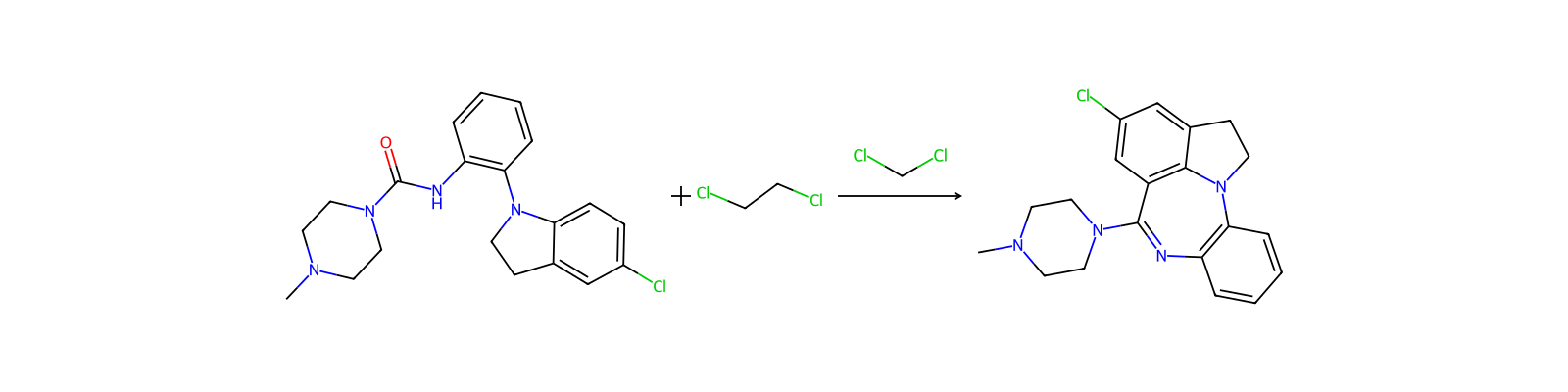
26,723 records


Linked notes
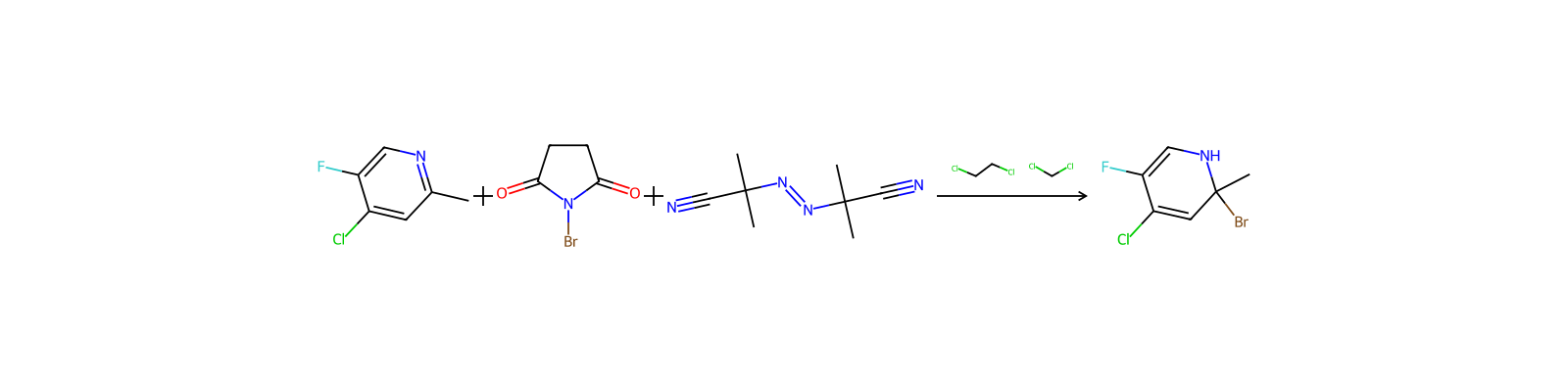
Loading…