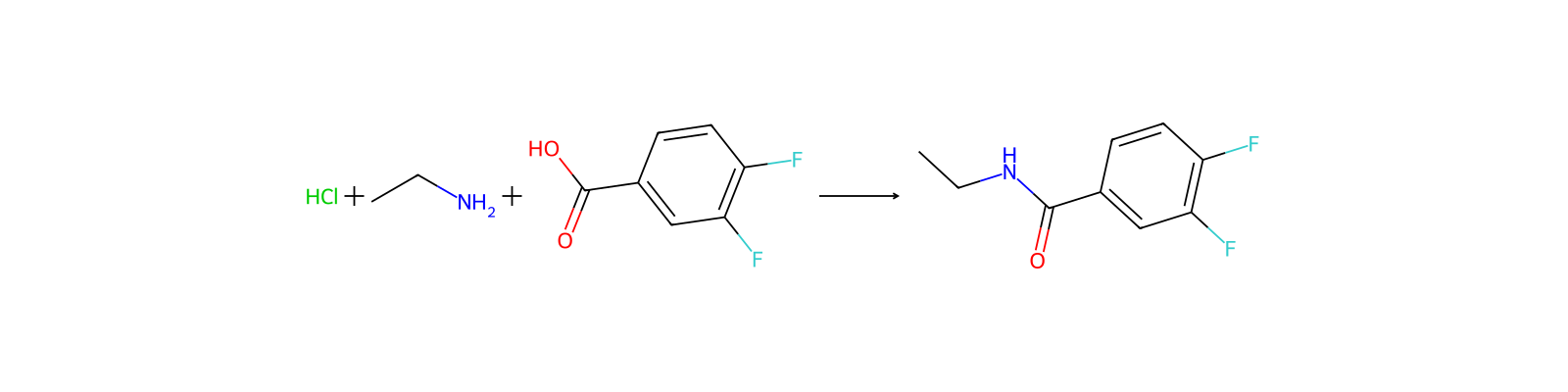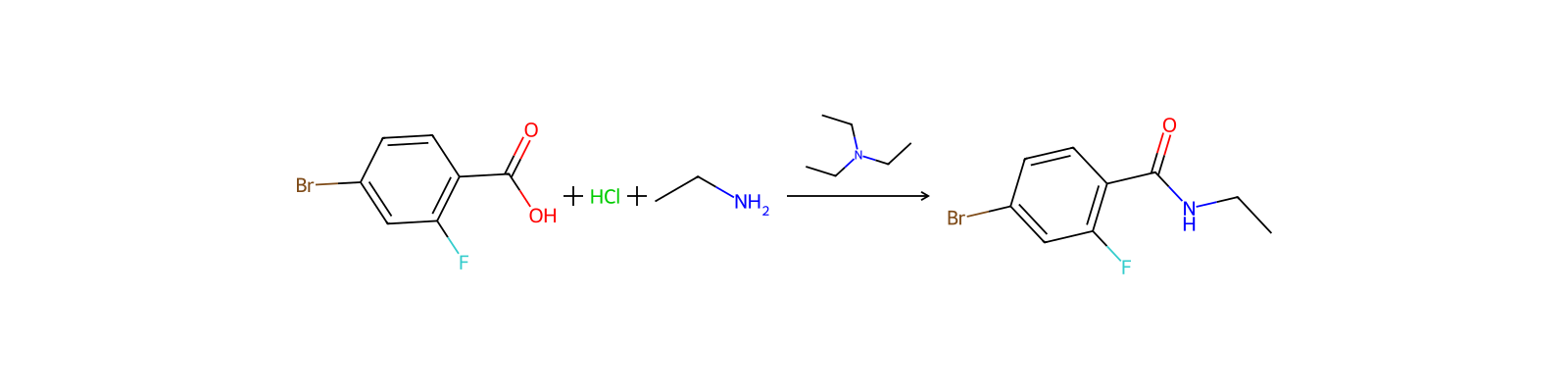
HRID 16111As reactant

557-66-4CCN.ClXWBDWHCCBGMXKG-UHFFFAOYSA-N557-66-4DTXSID8060323Safety information is for reference only and does not replace the supplier’s Safety Data Sheet (SDS), applicable regulations, or professional assessment.
Warning
H315 (100%): Causes skin irritation [Warning Skin corrosion/irritation]
P261, P264, P264+P265, P271, P280, P302+P352, P304+P340, P305+P351+P338, P319, P321, P332+P317, P337+P317, P362+P364, P403+P233, P405, and P501 (click each P-code to see the statement)
Aggregated GHS information provided per 49 reports by companies from 7 notifications to the ECHA C&L Inventory. Each notification may be associated with multiple companies.
Chemical: Ethanamine, hydrochloride
Ethanamine, hydrochloride: Does not have an individual approval but may be used under an appropriate group standard
Used in production of resins and rubber latex; Also used in oil refining and organic syntheses; [Merck Index]
Petroleum Production and Refining [Category: Industry]
UsesEthylamine Hydrochloride a chemical used in various chemical organic syntheses and biological studies. It is used in production of resins and rubber latex; also used in oil refining and organic syntheses.
PreparationEthylamine can be synthesized by ethanol and ammonia are combined in the presence of an oxide catalyst:CH3CH2OH + NH3 → CH3CH2NH2 + H2OEthylamine could then be solvent extracted or boiled out of hoffman turned to Hydrochloride with HCl and then freebased with caustic to be distilled pure.of course an excess of caustic when freebasing would be a good idea as it would hold onto most of the water created from the basing of a hydrochloride with caustic.