Basic information
- Standard SMILES
Oc1ccc2ncccc2c1- InChIKey
OVYWMEWYEJLIER-UHFFFAOYSA-N- Molecular formula
- C9H7NO
- Average molar mass
- 145.16 g/mol
- Monoisotopic mass
- 145.05276384
Overview
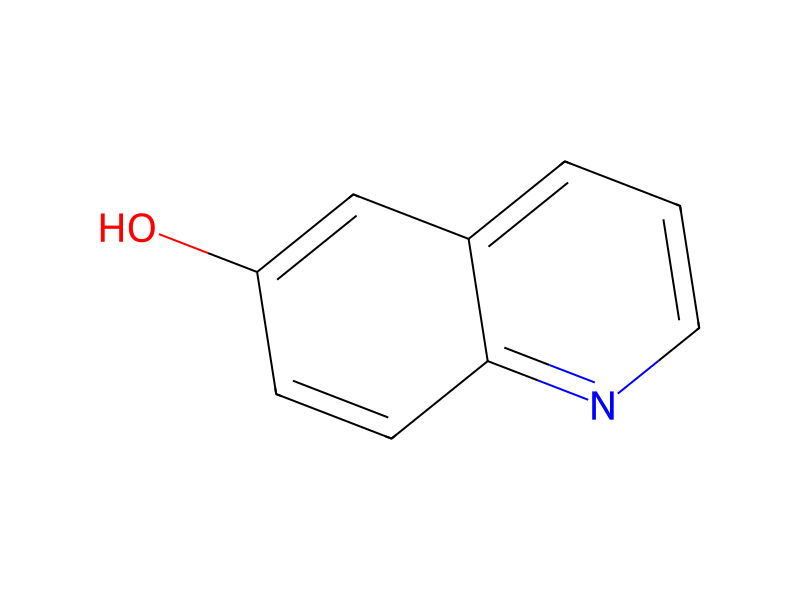
Quinolin-6-ol is a monohydroxyquinoline that is quinoline substituted by a hydroxy group at position 6.
Names & identifiers
- Preferred name
- 6-Hydroxyquinoline
- IUPAC
- quinolin-6-ol
- English name
- 6-Quinolinol
- Molecular formula
- C9H7NO
- Molecular weight
- 145.16
Names & synonyms
6-Hydroxyquinoline580-16-5Quinolin-6-ol6-QUINOLINOL1H-1,6-Epoxyquinoline95RU6I7UXLCCRIS-4331DTXSID40206726NSC-26343CHEBI:48994RefChem:178237DTXCID70129217
Show more names
6-QuinoLAKOS 222-066-Quinolinol >TIMTEC-BB SBB0041176-HYDROXYQUINOLINE 98%6-Hydroxyquinoline,98%
209-454-66-ChinolinolCCRIS 4331MFCD00047611NSC 26343BRN 0113196OVYWMEWYEJLIER-UHFFFAOYSA-AC-907/25014237
Database identifiers
- CAS
580-16-5- PubChem CID
- 11374
- DTXSID
DTXSID40206726- ChEMBL
CHEMBL1908053- ChEBI
CHEBI:48994- UNII
- 95RU6I7UXL
- EC Number
- 209-454-6
- Nikkaji
- J46.496A
Properties
Computed structural properties
- XLogP
- 1.8
- Topological polar surface area
- 33.1 Ų
- Hydrogen bond donors
- 1
- Hydrogen bond acceptors
- 2
- Rotatable bonds
- 0
- Heavy atoms
- 11
- Formal charge
- 0
- Complexity
- 138
Experimental & physicochemical properties
SpringerMaterials PropertiesDiamagnetic susceptibility
LogP1.8
Physicochemical properties
- Melting point
- 188 · 188-190 °C (lit.)
- Boiling point
- 264.27 °C · 264.27°C (rough estimate)
- Density
- 1.1555 · 1.1555 (rough estimate)
- refractive index
- 1.45 · 1.4500 (estimate)
- storage temp.
- Keep in dark place,Inert atmosphere,Room temperature
- solubility
- DMSO (Slightly), Methanol (Slightly)
- form
- Powder
- pka
- 5.15 · 5.15, 8.90(at 20℃)
- color
- Beige to gray or brown
- Water Solubility
- almost insoluble
- BRN
- 113196 · 113196
- InChI
- 1S/C9H7NO/c11-8-3-4-9-7(6-8)2-1-5-10-9/h1-6,11H
- InChIKey
- OVYWMEWYEJLIER-UHFFFAOYSA-N
- SMILES
- Oc1ccc2ncccc2c1
- CAS DataBase Reference
- 580 · 580-16-5(CAS DataBase Reference)
- EWG's Food Scores
- 1 · 1
- FDA UNII
- 95 RU6I7UXL · 95RU6I7UXL
- UNSPSC Code
- 12352100 · 12352100
- NACRES
- 22 · NA.22
- Symbol(GHS)
- 7 · GHS07
- Signal word
- Warning
- Hazard statements
- 315 · H315-H319-H335
- Precautionary statements
- 261 · P261-P264-P271-P280-P302+P352-P305+P351+P338
- target organs
- Respiratory system
- PPE
- 95 · dust mask type N95 (US), Eyeshields, Gloves
- Hazard Codes
- Xi,Xn
- Risk Statements
- 36 · 36/37/38-20/21/22
- Safety Statements
- 26 · 26-36-37/39
- WGK Germany
- 3 · 3
- RTECS
- 4130000 · VC4130000
- F
- 8 · 8
- HS Code
- 29334900 · 29334900
- Storage Class
- 11 · 11 - Combustible Solids
- Hazard Classifications
- 2 Skin · Eye Irrit. 2Skin Irrit. 2STOT SE 3
Safety & regulation
GHS classification
GHS Classification
Warning
H315 (100%): Causes skin irritation [Warning Skin corrosion/irritation]
P261, P264, P264+P265, P271, P280, P302+P352, P304+P340, P305+P351+P338, P319, P321, P332+P317, P337+P317, P362+P364, P403+P233, P405, and P501 (click each P-code to see the statement)
Aggregated GHS information provided per 40 reports by companies from 3 notifications to the ECHA C&L Inventory. Each notification may be associated with multiple companies.
Hazard information
Hazard Classes and CategoriesSkin Irrit. 2 (100%)
Safety data
- F
- 8
- PPE
- dust mask type N95 (US), Eyeshields, Gloves
- wgk
- 3
- rtecs
- VC4130000
- hs_code
- 29334900
- risk_code
- 36/37/38-20/21/22
- Signal word
- Warning
- Symbol(GHS)
- GHS07
- hazard_code
- Xi,Xn
- safety_code
- 26-36-37/39
- Storage Class
- 11 - Combustible Solids
- target organs
- Respiratory system
- Hazard statements
- H315-H319-H335
- Hazard Classifications
- Eye Irrit. 2Skin Irrit. 2STOT SE 3
- Precautionary statements
- P261-P264-P271-P280-P302+P352-P305+P351+P338
Chemistry & industry
Applications
Uses6-Hydroxyquinoline was used in synthesis of 2,6-substituted-benzo[d]thiazole analogs and 2,4-substituted-benzo[d]thiazole analogs.
General Description6-Hydroxyquinoline is an ideal photoacid system for exploring excited-state proton transfer (ESPT) reactions. The excited-state proton transfer and geminate recombination of 6-hydroxyquinoline encaged in catalytic Na+-exchanged faujasite zeolites X and Y have been explored by measuring steady-state and picosecond time-resolved spectra.
Upstream & downstream products
Upstream raw materials
Downstream products
Suppliers50 total
梯希爱(上海)化成工业发展有限公司021-67121386 · [email protected]
衢州润东化工有限公司0570-8789886 18892685668 · [email protected]
上海阿拉丁生化科技股份有限公司400-6206333 13167063860 · [email protected]
武汉欣扬瑞和化学科技有限公司13720274133 · [email protected]
环生美森医药技术(山东)有限公司0531-88762217 18301471076 · [email protected]
Dayang Chem (Hangzhou) Co.,Ltd.+86-0571-88938639 17705817739 · [email protected]
Hebei Yanxi Chemical Co., Ltd.+86-17531190177 · [email protected]
科瑞迪化学400-821-5857 021-64326257 · [email protected]
上海迈瑞尔生化科技有限公司4006356688 18621169109 · [email protected]
安耐吉化学&3A(安徽泽升科技股份有限公司)400-0056266 · [email protected]
成都添福瑞生物科技有限公司18030648795 18030648795 · [email protected]
上海瀚鸿科技股份有限公司021-54306202 13764082696 · [email protected]
南京圣亿来化工有限公司19951936396 · [email protected]
上海钰康生物科技有限公司+86-18930848214 +86-021-56762820 · [email protected]
上海相辉医药科技有限公司13761987713 · [email protected]
嘉兴市艾森化工有限公司0573-85285100 18627885956 · [email protected]
上海隆盛化工有限公司58099637 13585536065 · [email protected]
杭州东帆化学有限公司86-0571-85151182
孝感深远化工有限公司15527621225; 15527621225 · [email protected]
山东西亚化学有限公司13355009207 13355009207 · [email protected]
天津希恩思生化科技有限公司400 638 7771 · [email protected]
湖南汇百侍生物科技有限公司0731-85526065 13308475853 · [email protected]
上海珂华生物科技有限公司021-60455363 18019463053 · [email protected]
河南多贝化工有限公司0370-2785118 17550508557 · [email protected]
艾科试剂4008-755-333 18080918076 · [email protected]
上海思域化工科技有限公司86-21-34053660 · [email protected]
赛默飞世尔科技(中国)有限公司800-810-5118 · [email protected]
陕西南郑县绿叶材料科技有限公司13909164069 · [email protected]
北京伊诺凯科技有限公司400-810-7969 010-59572699 · [email protected]
上海特伯化学科技有限公司+86-21-60341587 · [email protected]
TOKYO CHEMICAL INDUSTRY CO., LTD.03-36680489 · [email protected]
上海仁曲医药科技有限公司18171398856 2968382473 · [email protected]
越林试剂021-62960152 · [email protected]
上海睿升化工科技有限公司+86-021-50935922
苏州亚科科技股份有限公司0512-87182055 13451648594 · [email protected]
上海将来实业股份有限公司400-0066400 13621662912 · [email protected]
安徽科迪达化工有限公司0554-2106669 · [email protected]
HBCChem, Inc.+1-510-219-6317 · [email protected]
上海石洋化工有限公司021-56795766 · [email protected]
成都零六生物科技有限公司400-1166-196 13458535857 · [email protected]
凯方医药科技(上海)有限公司021-67220633 021-54824098 · [email protected]
上海御略医药科技有限公司021-60345187 13671753212 · [email protected]
上海嵩爰化工科技有限公司010-1234567 18521000990 · [email protected]
江苏艾康生物医药研发有限公司025-66028182 17714375163 · [email protected]
凯试(上海)科技有限公司021-50135380 · [email protected]
上海皓骏医药科技有限公司021-34621078 13120882795 · [email protected]
池州凯隆进出口贸易有限公司[email protected]
长沙晶康新材料科技有限公司0733-0731-85118349 18229890050 · [email protected]
Sigma-Aldrich西格玛奥德里奇(上海)贸易有限公司021-61415566 800-8193336 · [email protected]
北京六合宁远医药科技股份有限公司010-60400365-8001 15910885229 · [email protected]
Additional notes
DefinitionChEBI: A monohydroxyquinoline that is quinoline substituted by a hydroxy group at position 6.
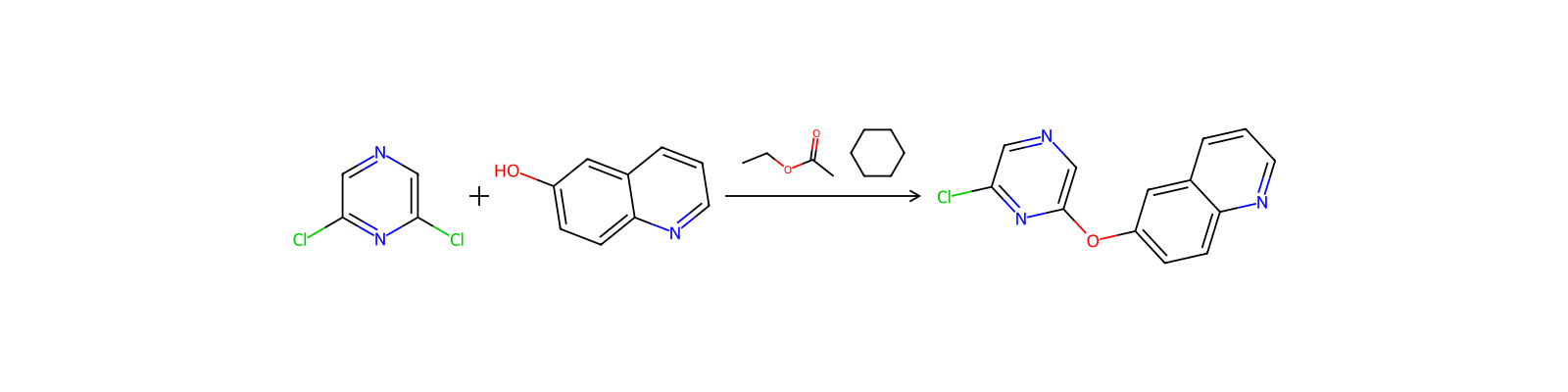
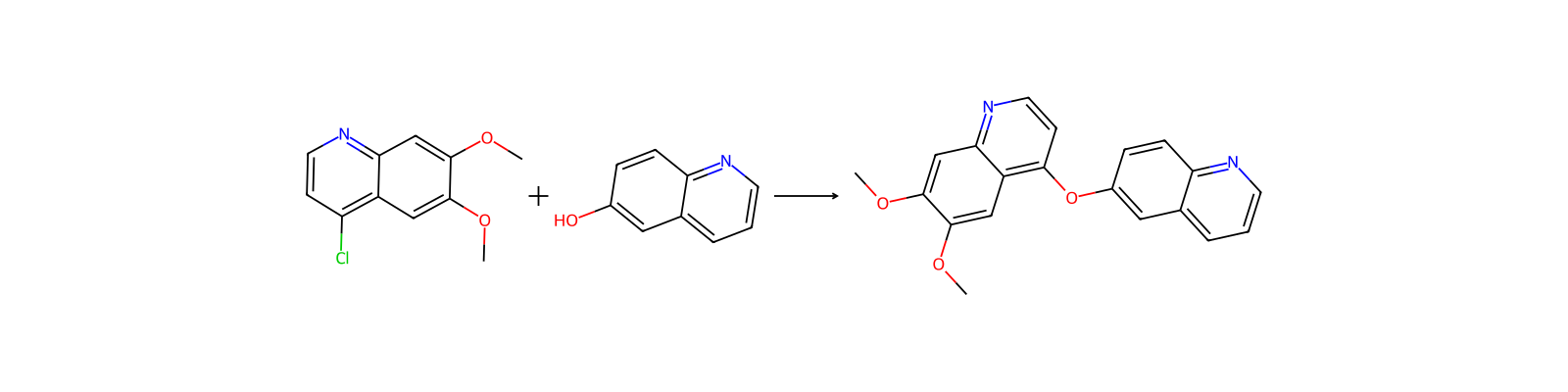
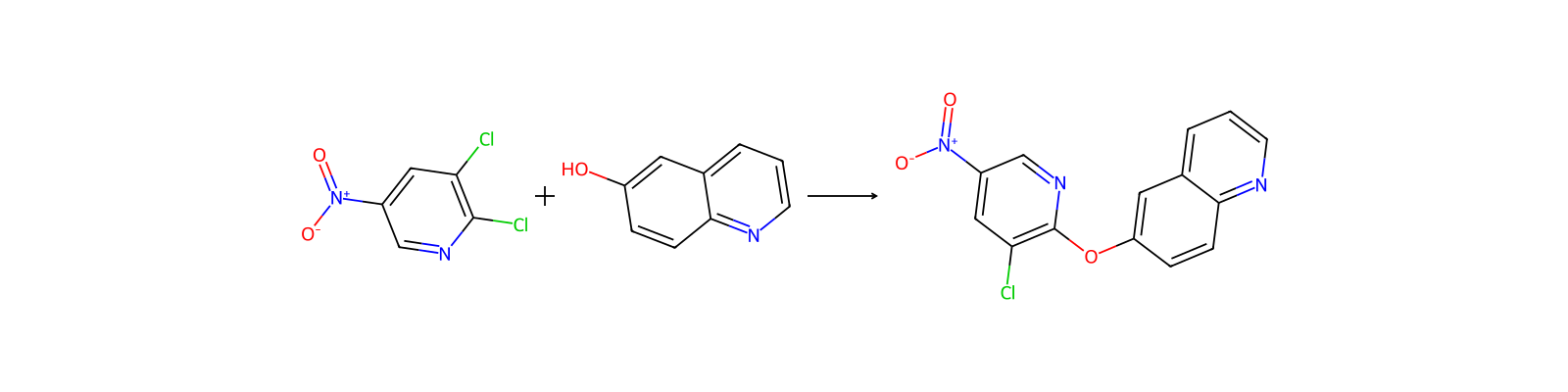
Related reactions
115 records




Linked notes
Loading…