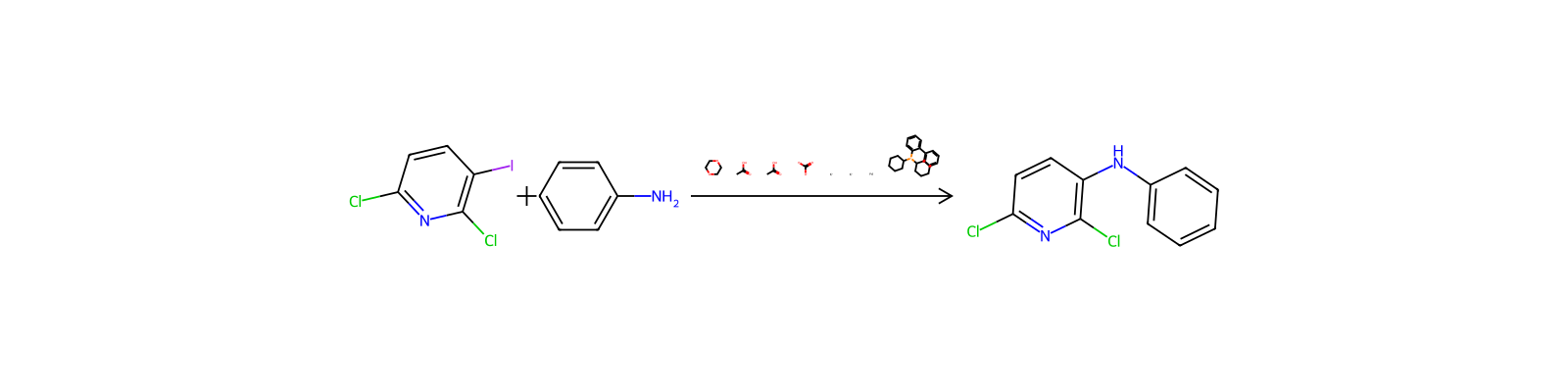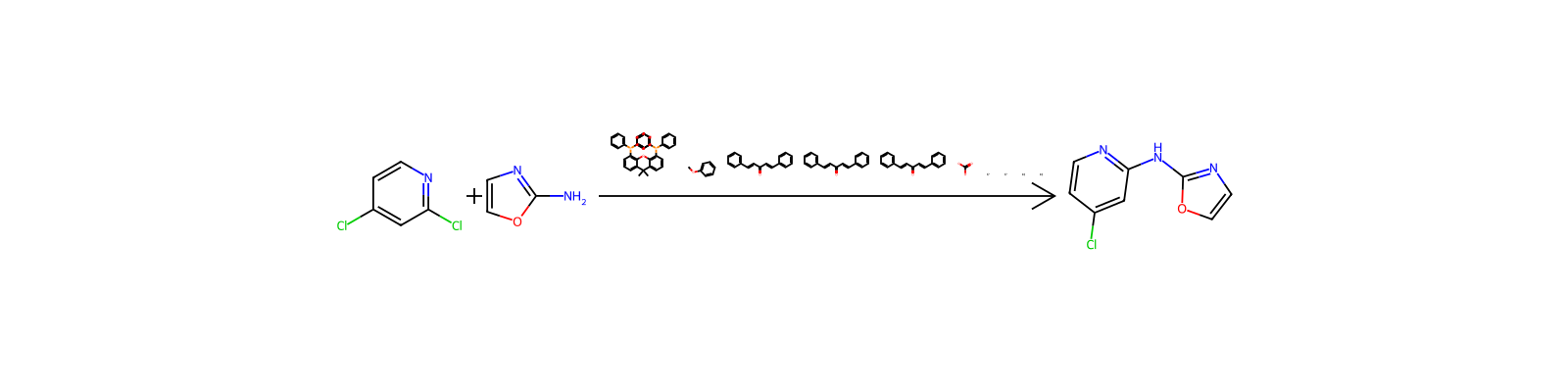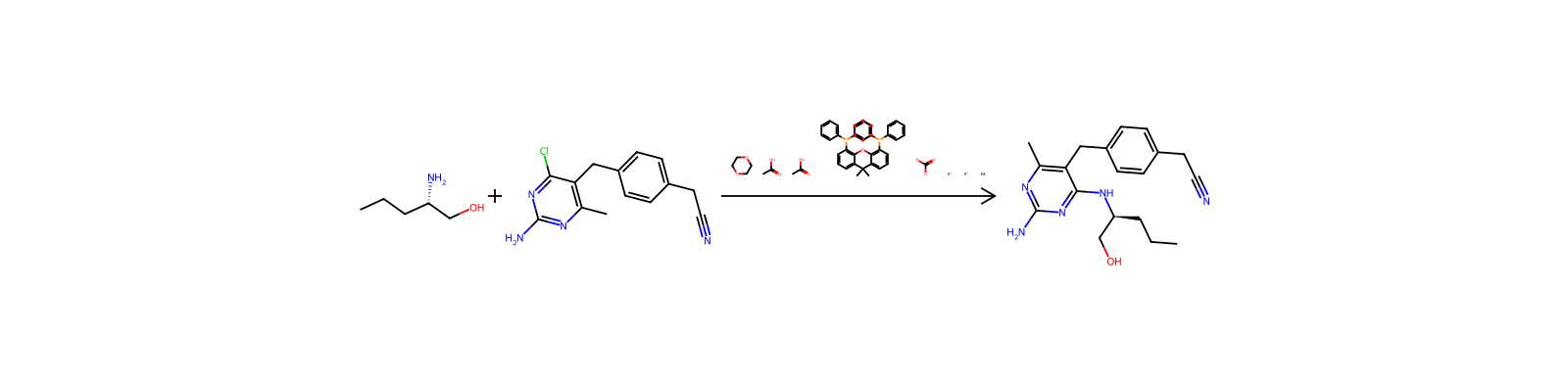
HRID 87As reagent

584-08-7O=C([O-])[O-].[K+].[K+]BWHMMNNQKKPAPP-UHFFFAOYSA-LPotassium carbonate is a potassium salt that is the dipotassium salt of carbonic acid. It has a role as a fertilizer, a catalyst and a flame retardant. It is a potassium salt and a carbonate salt.
584-08-7DTXSID2036245CHEMBL2105894CHEBI:131526Cosmetic ingredients (Potassium Carbonate) -> CIR (Cosmetic Ingredient Review)
Buffering
2.29 g/cu cm
2.29 g/cm³
2.29 @25 °C
Colorless cubic crystals; hygroscopic
Granules or granular powder
White, deliquescent, granular, translucent powder
Safety information is for reference only and does not replace the supplier’s Safety Data Sheet (SDS), applicable regulations, or professional assessment.
This chemical does not meet GHS hazard criteria for 0.9% (25 of 2657) of reports.
Warning
H302 (15.4%): Harmful if swallowed [Warning Acute toxicity, oral]
P261, P264, P264+P265, P270, P271, P280, P301+P317, P302+P352, P304+P340, P305+P351+P338, P319, P321, P330, P332+P317, P337+P317, P362+P364, P403+P233, P405, and P501 (click each P-code to see the statement)
Aggregated GHS information provided per 2657 reports by companies from 73 notifications to the ECHA C&L Inventory. Each notification may be associated with multiple companies.
Not Classified
Chemical: Carbonic acid, dipotassium salt
Carbonic acid, potassium salt (1:2) is listed on the EPA's Chemical Data Reporting (CDR) system. Manufacturers and importers of Carbonic acid, potassium salt (1:2) are required to report information about their production and use of this chemical to the EPA under the Toxic Substances Control Act (TSCA). (40 eCFR Part 711)
REACH registered substance: Potassium carbonate (EC: 209-529-3)
Potassium carbonate: Does not have an individual approval but may be used under an appropriate group standard
Substance added directly to human food affirmed as generally recognized as safe (GRAS).
CIR ingredient: Potassium Carbonate
Used to make glass with special optical properties; Also used in desiccants, dyes, pigments, inks, soaps, fertilizers, ceramics, leather tanning and finishing, fire extinguishers, and food additives; Used in the following industries: engraving & lithography, gas purification, electrical, textile, pharmaceutical, and food; [CHEMINFO]
Leather Tanning and Processing [Category: Industry]
For potassium carbonate (USEPA/OPP Pesticide Code: 073504) there are 0 labels match. /SRP: Not registered for current use in the U.S., but approved pesticide uses may change periodically and so federal, state and local authorities must be consulted for currently approved uses./
The active ingredient is no longer contained in any registered pesticide products ... "cancelled."
Manufacture soap, glass, pottery, smalts and many potassium salts; process engraving and lithography; liquid shampoos; for removal of water from org liquids; tanning and finishing leather; in analytical chemistry. Pharmaceutical aid (alkalizer)
2023: 100,000,000 - <250,000,000 lb
Production volumes for non-confidential chemicals reported under the Inventory Update Rule. [Table#3079]
Production volume for non-confidential chemicals reported under the 2006 Inventory Update Rule. Chemical: Carbonic acid, potassium salt. Aggregated National Production Volume: 100 to < 500 million lbs.
Engel-Precht process uses magnesium oxide, potassium chloride, and carbon dioxide, separating the Engels salt (MgCO3.KHCO3.4H2O). Decomposition leaves potassium bicarbonate in solution which can be processed to potassium carbonate.
Alkyl amines or ion-exchange resins can be used with potassium chloride and carbon dioxide to yield potassium bicarbonate which is calcined to the carbonate.
Very soluble in water. Insoluble in ethanol
For more Solubility (Complete) data for POTASSIUM CARBONATE (6 total), please visit the HSDB record page.
Insoluble in alcohol and acetone
111 g/100 g water at 25 °C
Soluble in 1 part cold, 0.7 part boiling water.
Solubility in water (g K2CO3/100 g H2O): 105.5 at 0 °C; 108.0 at 10 °C; 110.5 at 20 °C; 113.7 at 30 °C; 155.7 at 100 °C
Potassium carbonate used as a general purpose food additive in animal drugs, feeds, and related products is generally recognized as safe when used in accordance with good manufacturing or feeding practice.
Drug products containing certain active ingredients offered over-the-counter (OTC) for certain uses. A number of active ingredients have been present in OTC drug products for various uses, as described below. However, based on evidence currently available, there are inadequate data to establish general recognition of the safety and effectiveness of these ingredients for the specified uses: potassium carbonate is included in antidiarrheal drug products.
Drug products containing certain active ingredients offered over-the-counter (OTC) for certain uses. A number of active ingredients have been present in OTC drug products for various uses, as described below. However, based on evidence currently available, there are inadequate data to establish general recognition of the safety and effectiveness of these ingredients for the specified uses: potassium carbonate is included in digstive aid drug products.
European Chemicals Bureau; ESIS Database/IUCLID Dataset for Potassium Carbonate (584-08-7) (2000 CD-ROM edition) contains information on use, toxicology, and environmental effects of this chemical as supplied to the European Union by industry.[Available from, as of February 23, 2011: http://esis.jrc.ec.europa.eu/]
Residues of carbonic acid, dipotassium salt are exempted from the requirement of a tolerance when used in accordance with good agricultural practice as inert (or occasionally active) ingredients in pesticide formulations applied to growing crops only. Use: buffering agent.
As the federal pesticide law FIFRA directs, EPA is conducting a comprehensive review of older pesticides to consider their health and environmental effects and make decisions about their continued use. Under this pesticide reregistration program, EPA examines newer health and safety data for pesticide active ingredients initially registered before November 1, 1984, and determines whether the use of the pesticide does not pose unreasonable risk in accordance to newer saftey standards, such as those described in the Food Quality Protection Act of 1996. Pesticides for which EPA had not issued Registration Standards prior to the effective date of FIFRA '88 were divided into three lists based upon their potential for human exposure and other factors, with List B containing pesticides of greater concern than those on List C, and with List C containing pesticides of greater concern than those on List D. Potassium carbonate is found on List D. Case No: 4066; Pesticide type: fungicide, herbicide, antimicrobial; Case Status: None of the active ingredients in the case are being supported for reregistration by their registrants. All are unsupported, or some are unsupported and some are cancelled. Cases described as "unsupported" generally are being processed for cancellation.; AI Status: The active ingredient is no longer contained in any registered pesticide products ... "cancelled."
Acute Tox. 4 (15.4%)
Not Classified
Eye damage - category 1
Acute toxicity (Oral) - Category 4
Serious eye damage/eye irritation - Category 1
May cause respiratory tract irritation...May cause skin irritation... May cause eye irritation.
...Irritating to skin, mucous membrane of eyes and upper respiratory tract.
Incompatible with KCO; chlorine trifluoride; magnesium.
The mixture of magnesium and potassium carbonate recommended by Castellana as a safe substitute for molten sodium in the Lassaigne test can itself be hazardous, as an equimolar mixture gives an explosive substance (possibly 'carbonylpotassium', potassium benzenehexoxide) on heating.
Combination of chlorine trifluoride and ... potassium carbonate ... results in a violent reaction.
Fresh air, rest.
Remove contaminated clothes. Rinse skin with plenty of water or shower.
First rinse with plenty of water for several minutes (remove contact lenses if easily possible), then refer for medical attention.
Rinse mouth. Do NOT induce vomiting. Give one or two glasses of water to drink. Refer for medical attention .
Use extinguishing measures that are appropriate to local circumstances and the surrounding environment. The product itself does not burn.
Wear self contained breathing apparatus for fire fighting if necessary.
Keep tightly closed.
Potassium carbonate is stored in bunkers; the ventilation air must be dry because of the hydroscopicity of the product.
Keep container tightly closed in a dry and well-ventilated place.
SRP: The most favorable course of action is to use an alternative chemical product with less inherent propensity for occupational harm/injury/toxicity or environmental contamination. Recycle any unused portion of the material for its approved use or return it to the manufacturer or supplier. Ultimate disposal of the chemical must consider: the material's impact on air quality; potential migration in soil or water; effects on animal and plant life; and conformance with environmental and public health regulations.
Pick up and arrange disposal without creating dust. Keep in suitable, closed containers for disposal.
Hand protection: handle with gloves. Eye protection: safety glasses. Skin and body protection: choose body protection according to the amount and concentration of the dangerous substance at the work place.
Handle in accordance with good industrial hygiene and safety practice. Wash hands before breaks and at the end of workday.
Accidental release measures. Use personal protective equipment. Avoid dust formation. Avoid breathing dust.
If breathed in, move person into fresh air. If not breathing give artificial respiration Consult a physician. In case of skin contact, wash off with soap and plenty of water. Consult a physician. In case of eye contact, rinse thoroughly with plenty of water for at least 15 minutes and consult a physician. If swallowed, never give anything by mouth to an unconscious person. Rinse mouth with water. Consult a physician.
SRP: The scientific literature for the use of contact lenses by industrial workers is inconsistent. The benefits or detrimental effects of wearing contact lenses depend not only upon the substance, but also on factors including the form of the substance, characteristics and duration of the exposure, the uses of other eye protection equipment, and the hygiene of the lenses. However, there may be individual substances whose irritating or corrosive properties are such that the wearing of contact lenses would be harmful to the eye. In those specific cases, contact lenses should not be worn. In any event, the usual eye protection equipment should be worn even when contact lenses are in place.
Changes in urinary parameters (electrolyte levels and pH) and DNA synthesis and the morphology of the bladder epithelium were investigated in rats that were fed for 4 to 6 weeks on diets containing various Na, K, Mg, or Ca carbonate salts (3%) with or without L-ascorbic acid (5%). Beside increases in urinary pH and electrolyte levels, DNA synthesis in the bladder epithelium was increased in groups given sodium bicarbonate /and/ potassium carbonate with or without L-ascorbic acid. Furthermore some morphological alterations in the bladder epithelium were induced. Administration of ascorbic acid in combination with the salts induced levels of change greater than those with the salts alone. After administration of ascorbic acid with NH4Cl alone ... those effects on the bladder epithelium were not observed. Therefore, the authors suggest that the degree of DNA synthesis and/or morphological alteration in the rat bladder epithelium after treatment with various bases may depend on changes in urinary concentrations of sodium or potassium ions and/or pH and the presence of ascorbic acid in the urine.
LC50; Species: Ceriodaphnia dubia (Water Flea) age <24 hr; Conditions: freshwater, static, 25 °C, pH 7.5-9.0, dissolved oxygen >40%; Concentration: 630000 ug/L for 24 hr (95% confidence interval: 580000-670000 ug/L) /technical/
LC50; Species: Ceriodaphnia dubia (Water Flea) age <24 hr; Conditions: freshwater, static, 25 °C, pH 7.5-9.0, dissolved oxygen >40%; Concentration: 630000 ug/L for 48 hr (95% confidence interval: 580000-670000 ug/L) /technical/
LC50; Species: Daphnia magna (Water Flea) age <24 hr; Conditions: freshwater, static, 20 °C, pH 7.5-9.0, dissolved oxygen >40%; Concentration: 670000 ug/L for 24 hr (95% confidence interval: 440000-880000 ug/L) /technical/
LC50; Species: Daphnia magna (Water Flea) age <24 hr; Conditions: freshwater, static, 20 °C, pH 7.5-9.0, dissolved oxygen >40%; Concentration: 650000 ug/L for 48 hr (95% confidence interval: 380000-820000 ug/L) /technical/
For more Ecotoxicity Values (Complete) data for POTASSIUM CARBONATE (7 total), please visit the HSDB record page.
The CIR Expert Panel concluded that the following 6 carbonate salts are safe in the present practices of use and concentration, as described in this safety assessment, when formulated to be non-irritating...Potassium Carbonate...
Safe for use in cosmetics, with qualifications
/AQUATIC SPECIES/ Interaction of potash and Decis /Deltametarim/ in the ecophysiology of a freshwater fish, Oreochromis mossambicus, was studied. It was found that 300, 550 and 700 mg/L of potash were sublethal (LC0), median lethal (LC50), and toxic (LC100) to O. mossambicus for 96 hr exposure, respectively. Sublethal concentrations of potash and decis were exposed to fishes individually and in combination for 28 days. The results revealed that the combined effect of these chemicals was more highly toxic to food intake, growth, and conversion efficiencies than the individual chemicals.
Sore throat. Cough.
Redness. Pain.
Redness. Pain.
Burning sensation in the throat and chest.
/LABORATORY ANIMALS: Acute Exposure/ Rabbit skin. Irritating (Draize test) /Potassium carbonate hydrate/
/LABORATORY ANIMALS: Acute Exposure/ LD50 Oral (gavage) rat >2000 mg/kg (no mortalities in 15 day observation period)
/LABORATORY ANIMALS: Acute Exposure/ Exptl irrigation of surface of the eyes of rabbits with 10% soln...at pH 11.6 for 30 seconds caused pain and very slight transient optical irregularity of epithelium.
/LABORATORY ANIMALS: Subchronic or Prechronic Exposure/ Dietary administration of 5% L-ascorbic acid plus 3% potassium carbonate to male Fischer-344 rats enhanced the development of preneoplastic and neoplastic lesions of the urinary bladder initiated with N-butyl-N-(4-hydroxybutyl)-nitrosamine. This was associated with changes in urinary parameters (elevation of pH increased potassium content, increased total ascorbic acid content). Administration of potassium carbonate without ascorbic acid increased the induction of the preneoplastic lesion, but not neoplastic lesions.
For more Non-Human Toxicity Excerpts (Complete) data for POTASSIUM CARBONATE (10 total), please visit the HSDB record page.
According to the 2006 TSCA Inventory Update Reporting data, the number of persons reasonably likely to be exposed in the industrial manufacturing, processing, and use of potassium carbonate is 1000 or greater; the data may be greatly underestimated(1).
NIOSH (NOES Survey 1981-1983) has statistically estimated that 478,866 workers (139,011 of these were female) were potentially exposed to potassium carbonate in the US(1).
/SRP:/ Immediate first aid: Remove patient from contact with the material. Ensure that adequate decontamination has been carried out. If patient is not breathing, start artificial respiration, preferably with a demand valve resuscitator, bag-valve-mask device, or pocket mask, as trained. Perform CPR if necessary. Immediately flush contaminated eyes with gently flowing water. Do not induce vomiting. If vomiting occurs, lean patient forward or place on the left side (head-down position, if possible) to maintain an open airway and prevent aspiration. Keep patient quiet and maintain normal body temperature. Obtain medical attention. /Inorganic Bases/Alkaline Corrosives and Related Compounds/
/SRP:/ Basic treatment: Establish a patent airway (oropharyngeal or nasopharyngeal airway, if needed). Suction if necessary. Watch for signs of respiratory insufficiency and assist ventilations if necessary. Administer oxygen by nonrebreather mask at 6 to 12 L/min. Monitor for pulmonary edema and treat if necessary ... . Monitor for shock and treat if necessary ... . For eye contamination, flush eyes immediately with water. Irrigate each eye continuously with 0.9% saline (NS) during transport ... . Do not use emetics. For ingestion, rinse mouth and administer 5 ml/kg up to 200 ml of water for dilution if the patent can swallow, has a strong gag reflex, and does not drool ... . Do not attempt to neutralize. Cover skin burns with dry sterile dressings after decontamination ... . /Inorganic Bases/Alkaline Corrosives and Related Compounds/
/SRP:/ Advanced treatment: Consider orotracheal or nasotracheal intubation for airway control in the patient who is unconscious, has severe pulmonary edema, or is in severe respiratory distress. Early intubation, at the first signs of upper airway obstruction, may be necessary. Positive-pressure ventilation techniques with a bag valve mask device may be beneficial. Consider drug therapy for pulmonary edema ... . Monitor cardiac rhythm and treat arrhythmias as necessary ... . Start IV administration of D5W /SRP: "To keep open", minimal flow rate/. Use 0.9% saline (NS) or lactated Ringer's (LR) if signs of hypovolemia are present. For hypotension with signs of hypovolemia, administer fluid cautiously. Consider vasopressors if patient is hypotensive with a normal fluid volume. Watch for signs of fluid overload ... . Use proparacaine hydrochloride to assist eye irrigation ... . /Inorganic Bases/Alkaline Corrosives and Related Compounds/
Substance added directly to human food affirmed as generally recognized as safe (GRAS).
Potassium carbonate used as a general purpose food additive in animal drugs, feeds, and related products is generally recognized as safe when used in accordance with good manufacturing or feeding practice.
Drug products containing certain active ingredients offered over-the-counter (OTC) for certain uses. A number of active ingredients have been present in OTC drug products for various uses, as described below. However, based on evidence currently available, there are inadequate data to establish general recognition of the safety and effectiveness of these ingredients for the specified uses: potassium carbonate is included in antidiarrheal drug products.
Drug products containing certain active ingredients offered over-the-counter (OTC) for certain uses. A number of active ingredients have been present in OTC drug products for various uses, as described below. However, based on evidence currently available, there are inadequate data to establish general recognition of the safety and effectiveness of these ingredients for the specified uses: potassium carbonate is included in digstive aid drug products.
Residues of carbonic acid, dipotassium salt are exempted from the requirement of a tolerance when used in accordance with good agricultural practice as inert (or occasionally active) ingredients in pesticide formulations applied to growing crops only. Use: buffering agent.
As the federal pesticide law FIFRA directs, EPA is conducting a comprehensive review of older pesticides to consider their health and environmental effects and make decisions about their continued use. Under this pesticide reregistration program, EPA examines newer health and safety data for pesticide active ingredients initially registered before November 1, 1984, and determines whether the use of the pesticide does not pose unreasonable risk in accordance to newer saftey standards, such as those described in the Food Quality Protection Act of 1996. Pesticides for which EPA had not issued Registration Standards prior to the effective date of FIFRA '88 were divided into three lists based upon their potential for human exposure and other factors, with List B containing pesticides of greater concern than those on List C, and with List C containing pesticides of greater concern than those on List D. Potassium carbonate is found on List D. Case No: 4066; Pesticide type: fungicide, herbicide, antimicrobial; Case Status: None of the active ingredients in the case are being supported for reregistration by their registrants. All are unsupported, or some are unsupported and some are cancelled. Cases described as "unsupported" generally are being processed for cancellation.; AI Status: The active ingredient is no longer contained in any registered pesticide products ... "cancelled."
Except for small amounts produced by obsolete processes, e.g. the leaching of wood ashes and the Engel-Precht process, potassium carbonate is produced by the carbonation, i.e., via reaction with carbon dioxide, of potassium hydroxide.
Potassium carbonate... is produced by the following methods of manufacture: (1) By electrolysis of potassium chloride followed by exposing the resultant potassium to carbon dioxide; (2) By treating a solution of potassium hydroxide with excess carbon dioxide to produce potassium carbonate; (3) By treating a solution of potassium hydroxide with carbon dioxide to produce potassium bicarbonate, which is then heated to yield potassium carbonate.
For more Methods of Manufacturing (Complete) data for POTASSIUM CARBONATE (6 total), please visit the HSDB record page.
Grades: Crystals; technical; reagent; calcined 80-85%, 85-90%; 90-95%; 96-98%; hydrated 80-85%; Food Chemicals Codex (FCC) grade.
SALT OF CARBONIC ACID & POTASSIUM. COTTONSEED HULL ASHES, SUNFLOWER PLANT ASH, VEGETABLE POTASH & WOOD ASHES ARE ALL IMPURE FORMS OF POTASSIUM CARBONATE. PEARL ASH IS POTASSIUM CARBONATE MADE FROM WOOD ASHES.
Available commercially as a concentrated solution containing ca 47 wt % K2CO3 or in granular crystalline form containing 99.5 wt % K2CO3.
EPA Safer Chemical Functional Use Classes -> Processing Aids and Additives
Safer Chemical Classes -> Green circle - The chemical has been verified to be of low concern
Food additives
Food Additives -> ACIDITY_REGULATOR -> JECFA Functional Classes
Cosmetics -> Buffering
All Other Basic Organic Chemical Manufacturing
Carbonic acid, potassium salt (1:2): ACTIVE
It has been added to...skin ointments & lotions to aid contact with affected areas or skin penetration of active ingredients by dissolving keratin, sebaceous matter, or skin greases.
The cost of producing potassium carbonate is four to five times greater than that of producing sodium carbonate. Thus sodium carbonate is almost always used for applications in which the two carbonates are equivalent chemically.
In Anglo-American usage, the term potash today includes potassium carbonate as well as all potassium salts, such as KCl, K2SO4, K2SO4.MgSO4.xH2O that are used as fertilizers; the potassium content is given as K2O.
Potash is an impure form of potassium carbonate mixed with other potassium salts obtained by leaching wood ash. Pearl ash is a purer form of potassium carbonate.
DescriptionPotassium carbonate (molecular formula: K2CO3), also known as potash or pearl ash, appears as a white powder or as colorless solid crystal with salty taste and deliquescence. It can be dissolved in water to form a strongly alkaline solution. However, it is insoluble in organic solvents such as ethanol. It has wide applications. For example, it can be used as a drying agent, buffering agent and a source of potassium in laboratory. It can also be used for the manufacturing of fire extinguishers, soap, glass, and soften water. In addition, it is also used during the production of cocoa powder to balance pH. Moreover, it can be supplied to effervescent tablets which can conveniently provide potassium when there are low levels of potassium in the blood for patients caused by various kinds of factors. In industry, potassium carbonate is manufactured though first performing electrolysis of potassium chloride to generate potassium hydroxide, followed by reaction with carbon dioxide to derive the product. It is toxic upon eye contact, inhalation and ingestion. For rats, it has an oral LD50 being 1870 mg/kg. It has chronic effects on humans, causing damage to the mucous membranes, skin, and eyes.
UsesPotassium carbonate can serve as an effective alkaline agent and dough conditioner and is capable of hindering the fermentation process in noodles. It can be applied to pasta food, where its application quantity must be in accordance with production requirements. In addition, potassium carbonate can be used for the production of optical glass, as it enhances the transparency, strength, and refractive coefficient of the material. It is also useful as a welding electrode, preventing arc-breaking during welding. Further applications of potassium carbonate include its utility as a vat dye and as a white discharging agent for ice dyeing. It can be utilized as an absorbent for removing carbon dioxide and hydrogen sulfide, and quantities can be mixed with soda ash to create a dry powder extinguishing agent.
UsesPotassium carbonate is used in the chemical industry as a source of inorganic potassium salts (potassium silicates, potassium bicarbonate), which are used in fertilizers, soaps, adhesives, dehydrating agents, dyes, and pharmaceuticals. Potassium carbonate used to make potassium lye produces soft soaps, which are liquids or semisolids rather than solids. Other uses of potassium carbonate includes use as a fire suppressant in extinguishers, as a CO2 absorbent for chemical processes and pollution control, an antioxidant in rubber additives, and in pharmaceutical formulations.
General DescriptionPotassium carbonate (K2CO3) is a white salt, soluble in water (insoluble in ethanol) which forms a strongly alkaline solution. It can be made as the product of potassium hydroxide's absorbent reaction with carbon dioxide. It presents a large capacity to absorb moisture.Corrosive to metals and tissue. Density 12.8 lb /gal. Used to make soaps, other potassium compounds, in liquid fertilizers.
DefinitionChEBI: Potassium carbonate is a potassium salt that is the dipotassium salt of carbonic acid. It has a role as a catalyst, a fertilizer and a flame retardant. It is a carbonate salt and a potassium salt.