Reaction equation

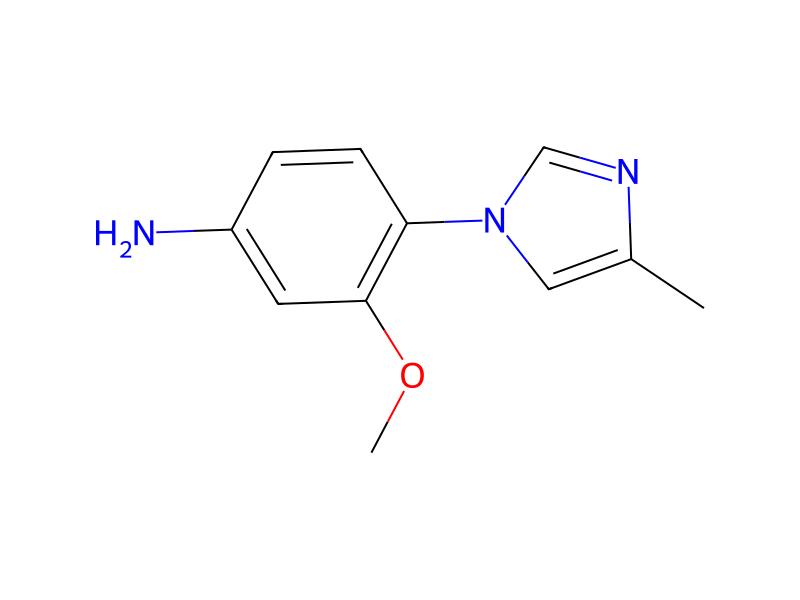
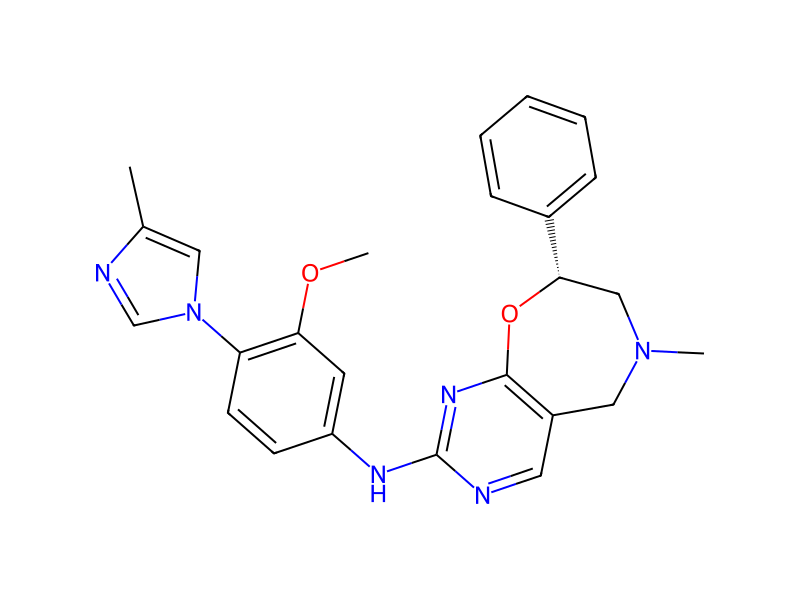
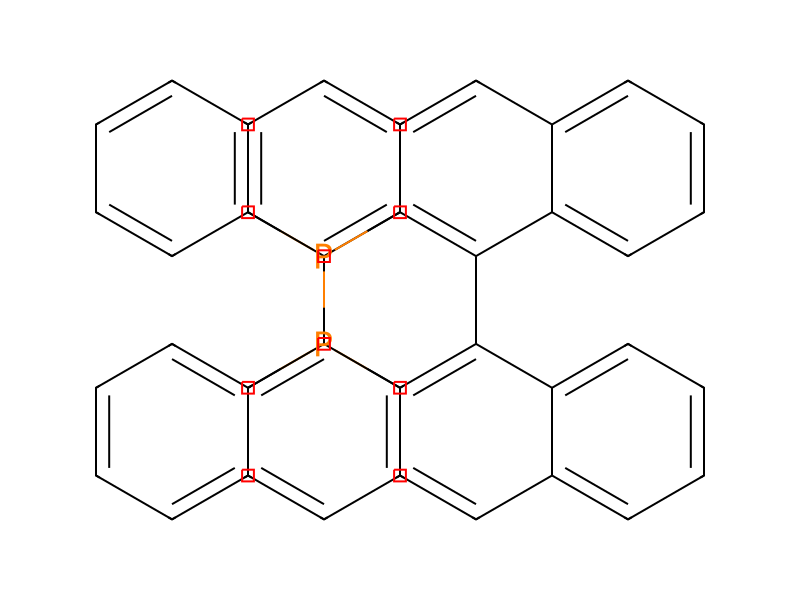
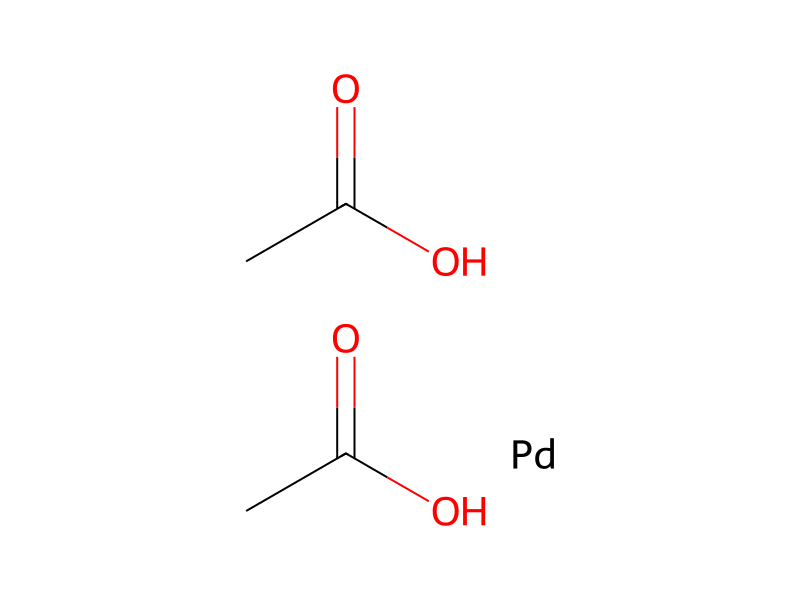
CN1Cc2cnc(Cl)nc2O[C@H](c2ccccc2)C1.COc1cc(N)ccc1-n1cnc(C)c1>CC(=O)O.CC(=O)O.Cc1ccccc1.O=C([O-])[O-].[K+].[K+].[Pd].c1ccc(P(c2ccccc2)c2ccc3ccccc3c2-c2c(P(c3ccccc3)c3ccccc3)ccc3ccccc23)cc1>COc1cc(Nc2ncc3c(n2)O[C@H](c2ccccc2)CN(C)C3)ccc1-n1cnc(C)c1Participants
Reactant 2

Product 1
Reagents, catalysts & solvents 4


Conditions
- Temperature
- 120 °C
Procedure
Purpose: to examine scale-up of microwave conditions established in a previous experiment. Charged a round-bottom flask with a mixture of 3-methoxy-4-(4-methyl-1H-imidazol-1-yl)aniline (0.702 g, 3.45 mmol), (R)-2-chloro-6-methyl-8-phenyl-5,6,7,8-tetrahydropyrimido[5,4-f][1,4]oxazepine (1.0 g, 3.63 mmol), palladium (II) acetate (0.023 g, 0.10 mmol), rac-BINAP (0.108 g, 0.17 mmol), potassium carbonate (0.716 g, 5.18 mmol), and toluene (20 mL). The atmosphere s inerted through nitrogen purge cycles, then heated at 120 °C or 16 hours. HPLC-UV shows the reaction is not as clean as in the microwave, and conversion is very poor. The contents were allowed to continue heating over the weekend, but although conversion improved, the mixture contained many impurities. Not progressed. name='[Samples]' index='0' field='Samples' type='field' length='9'/>ber-coloured foam.
Sources & evidence
- ORD record
- ord-b814b75406f3451f844066ae5ac468ab
- Source dataset
- 750 AstraZeneca ELN dataset
- Original link
- View source
Linked notes
Loading…