HomeMCPWorkbenchSkills
HomeWorkbenchNotificationsMe
llms.txt · MCP GuidePrivacy Policy · Terms of Service · Supportv1.8.3
  1. Home
  2. /Compound

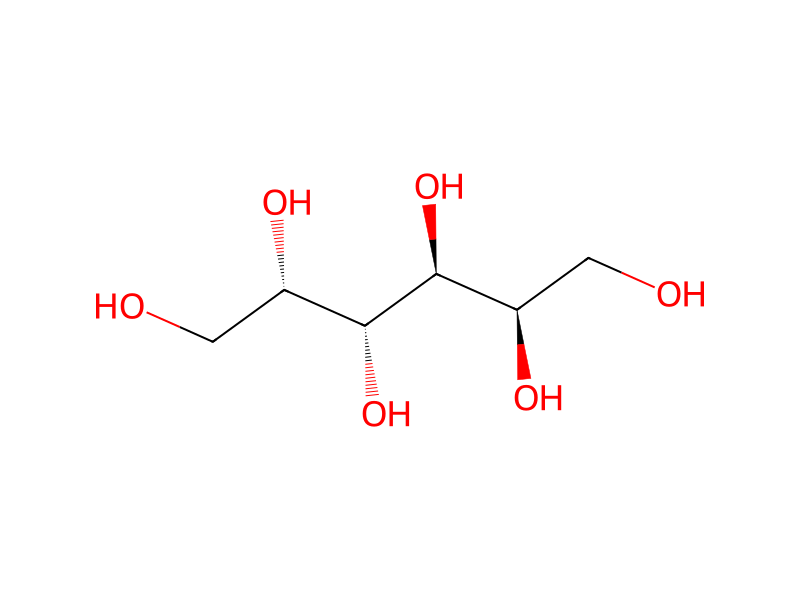
Galactitol

HCID 11850
New reaction
Print
Basic informationOverviewNames & identifiersPropertiesSafety & regulationChemistry & industryRelated reactionsCompound notes
Substructure searchFind similar structures

Basic information

CAS
2234851-14-8
Standard SMILES
OC[C@@H](O)[C@H](O)[C@H](O)[C@@H](O)CO
InChIKey
FBPFZTCFMRRESA-GUCUJZIJSA-N
Molecular formula
C6H14O6
Average molar mass
182.17 g/mol
Monoisotopic mass
182.07903816

Overview

Galactitol is an optically inactive hexitol having meso-configuration. It has a role as a metabolite, a mouse metabolite, an Escherichia coli metabolite and a human metabolite.

Names & identifiers

Preferred name
Galactitol
IUPAC
(2R,3S,4R,5S)-hexane-1,2,3,4,5,6-hexol

Names & synonyms

galactitol608-66-2dulcitedulcoseEuonymitMelampyrinMelampyritMelampyriteMelampyrum(2R,3S,4R,5S)-hexane-1,2,3,4,5,6-hexolmeso-galactitolD-Dulcitol
Show more names
CHEBI:16813113ZQ1Y7DDNSC-1944RefChem:633477GlyTouCan:G25565DNG25565DN210-165-2dulcitol

Database identifiers

CAS
2234851-14-8、608-66-2
PubChem CID
11850
DTXSID
DTXSID1046051
ChEMBL
CHEMBL1773904
ChEBI
CHEBI:16813
UNII
113ZQ1Y7DD
EC Number
171-669-5、210-165-2
Nikkaji
J7.011D

Properties

Computed structural properties

XLogP
-3.1
Topological polar surface area
121 Ų
Hydrogen bond donors
6
Hydrogen bond acceptors
6
Rotatable bonds
5
Heavy atoms
12
Formal charge
0
Complexity
105

Experimental & physicochemical properties

Chemical ClassesBiological Agents -> Monosaccharides and Derivatives
SpringerMaterials PropertiesCrystal structure
LogP-3.10
Solubility31,0 mg/mL at 15 °C
Melting Point189.5 °C
Physical Description · 2 items

Solid; [Merck Index] White to off-white hygroscopic powder; [Alfa Aesar MSDS]

Solid

Collision Cross Section · 4 items

128.77 Ų [M-H]- [CCS Type: DT; Method: single field calibrated with Agilent tune mix (Agilent)]

145.91 Ų [M+Na]+ [CCS Type: DT; Method: stepped-field]

130.5 Ų [M-H]- [CCS Type: DT; Method: single field calibrated with ESI Low Concentration Tuning Mix (Agilent)]

143.4 Ų [M+Na]+

Safety & regulation

Safety information is for reference only and does not replace the supplier’s Safety Data Sheet (SDS), applicable regulations, or professional assessment.

GHS classification

GHS Classification · 6 items

This chemical does not meet GHS hazard criteria for 66.7% (2 of 3) of all reports.

Warning

H315 (33.3%): Causes skin irritation [Warning Skin corrosion/irritation]

P261, P264, P264+P265, P271, P280, P302+P352, P304+P340, P305+P351+P338, P319, P321, P332+P317, P337+P317, P362+P364, P403+P233, P405, and P501 (click each P-code to see the statement)

Aggregated GHS information provided per 3 reports by companies from 2 notifications to the ECHA C&L Inventory. Each notification may be associated with multiple companies.

Warning

Hazard information

Regulatory Information · 2 items

Chemical: Galactitol

Galactitol: Does not have an individual approval but may be used under an appropriate group standard

Other Safety InformationIMAP assessments - Galactitol: Human health tier I assessment
Hazards SummaryMay cause irritation; [Alfa Aesar MSDS]
Hazard Classes and Categories · 2 items

Skin Irrit. 2 (33.3%)

Skin Irrit. 2 (100%)

Toxicology

Health EffectsChronically high levels of galactitol are associated with at least 2 inborn errors of metabolism including: Galactosemia and Galactosemia type II.
Toxicity Summary · 1 item

Accumulation of galactitol in the body has been shown to be toxic. Accumulation of galactitol in the lens causes the osmotic phenomena and results in cataract formation. It may form in excess in the lens of the eye in galactosemias, a deficiency of galactokinase.

Chemistry & industry

Pharmacology

Tissue LocationsBrain
Cellular LocationsExtracellular
Metabolite PathwaysGalactose Metabolism

Uses & manufacturing

Uses · 2 items

A naturally occurring product of plants obtained following reduction of GALACTOSE. It appears as a white crystalline powder with a slight sweet taste. [ChemIDplus]

This is an endogenously produced metabolite found in the human body. It is used in metabolic reactions, catabolic reactions or waste generation.

General Manufacturing InformationGalactitol: ACTIVE

Related reactions

14 records
New reaction record
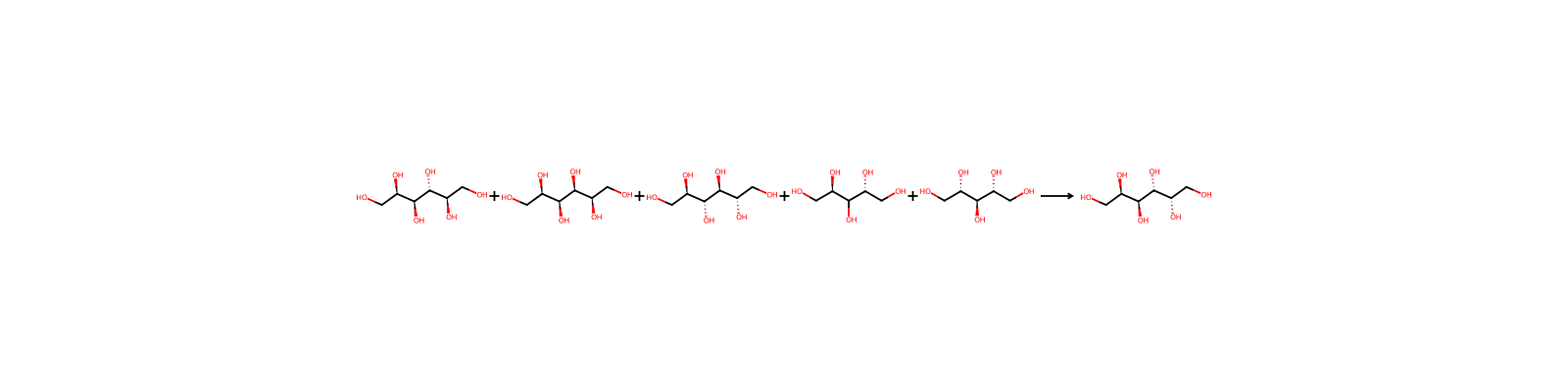
HRID 262310 reaction equation
HRID 262310As reactant
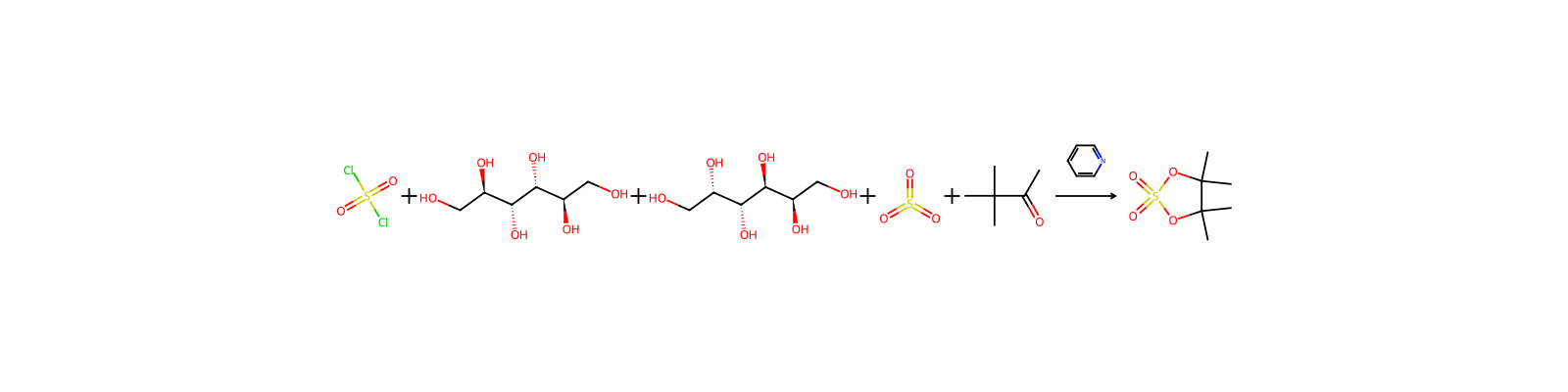
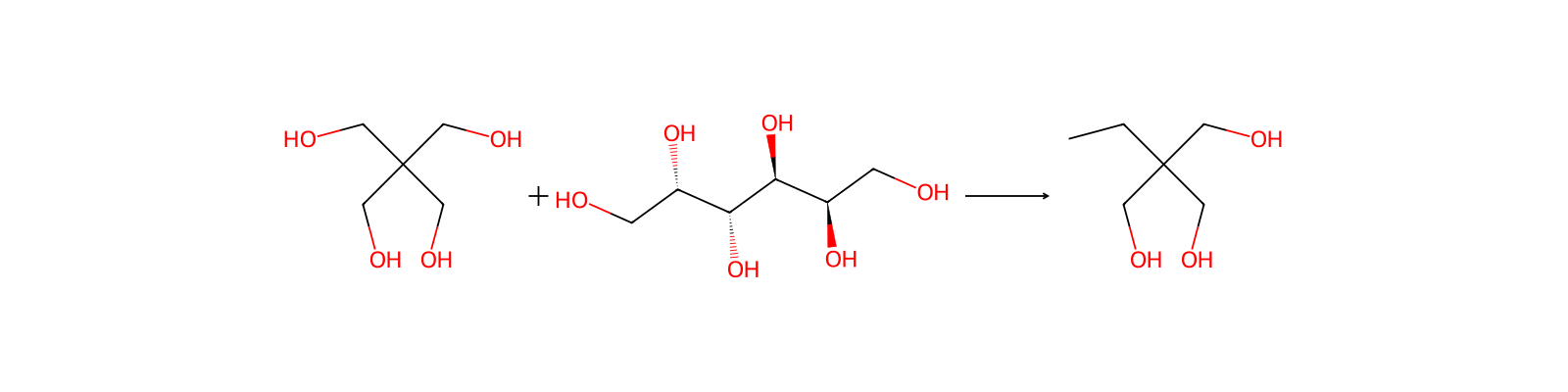
HRID 263095 reaction equation
HRID 263095As product
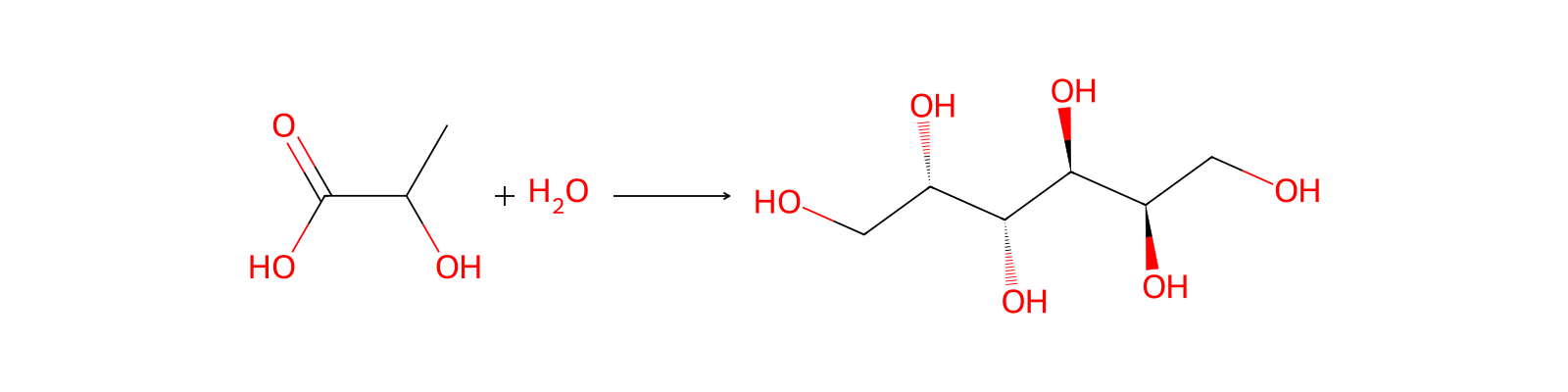
HRID 428998 reaction equation
HRID 428998As reactant
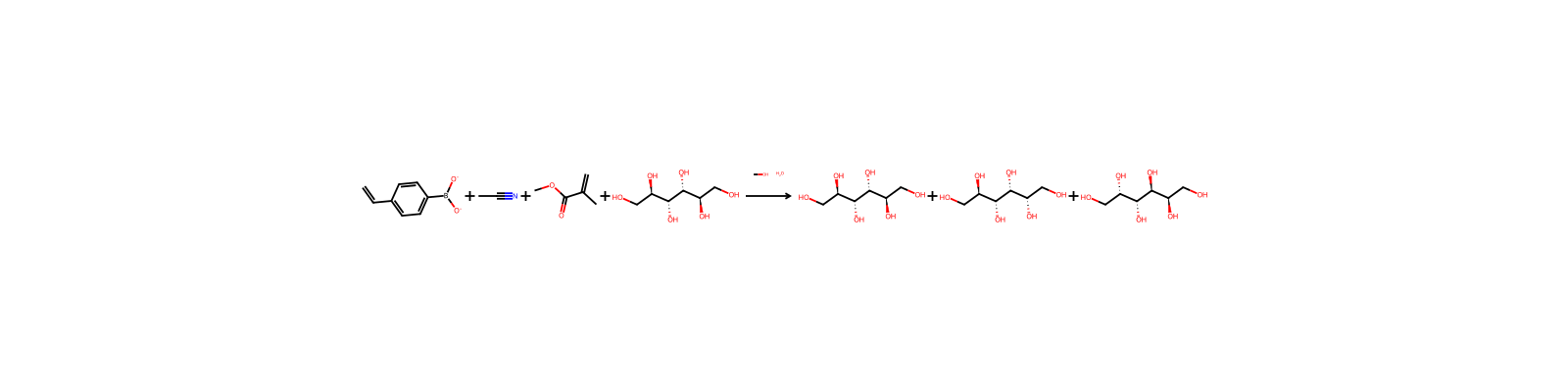
HRID 614436 reaction equation
HRID 614436As product
HRID 651227 reaction equation
HRID 651227As reactant
HRID 857824 reaction equation
HRID 857824As reactant
HRID 1605821 reaction equation
HRID 1605821As product
HRID 1704794 reaction equation
HRID 1704794As product
PreviousPage 1 of 2

Compound notes

On this pageBasic informationOverviewNames & identifiersPropertiesSafety & regulationChemistry & industryRelated reactionsCompound notes
Carcinogen ClassificationNo indication of carcinogenicity to humans (not listed by IARC).