
HRID 6789As reactant
Completing data — refresh the page later to see the latest
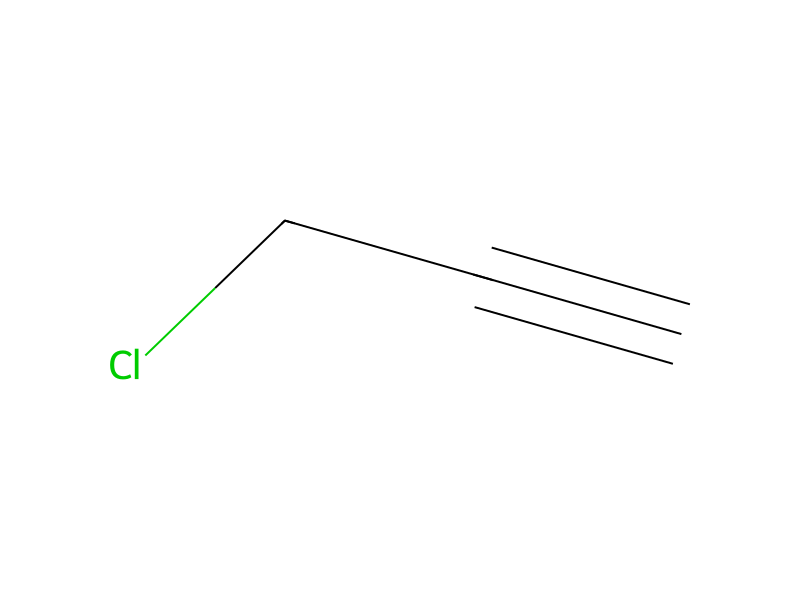
624-65-7C#CCClLJZPPWWHKPGCHS-UHFFFAOYSA-N624-65-7DTXSID4060789Safety information is for reference only and does not replace the supplier’s Safety Data Sheet (SDS), applicable regulations, or professional assessment.
Danger
H225 (100%): Highly Flammable liquid and vapor [Danger Flammable liquids]
P210, P233, P240, P241, P242, P243, P260, P261, P262, P264, P264+P265, P270, P271, P273, P280, P284, P301+P316, P301+P330+P331, P302+P352, P302+P361+P354, P303+P361+P353, P304+P340, P305+P354+P338, P316, P317, P319, P320, P321, P330, P361+P364, P363, P370+P378, P403+P233, P403+P235, P405, and P501 (click each P-code to see the statement)
Aggregated GHS information provided per 184 reports by companies from 6 notifications to the ECHA C&L Inventory. Each notification may be associated with multiple companies.
UsesPropargyl chloride was used to study emission spectra of dissociating propargyl chloride upon photoexcitation at 199 nm. It was used in the synthesis of novel tetraaryl analog of bisphenol A and triaryl analog of bisphenol A propargyl resins.
UsesIntermediate in organic synthesis.
General DescriptionPropargyl chloride is an efficient propargylating agent. It generates propargyl radicals by the pulsed laser photolysis.


