
Ethylurea
Completing data — refresh the page later to see the latest
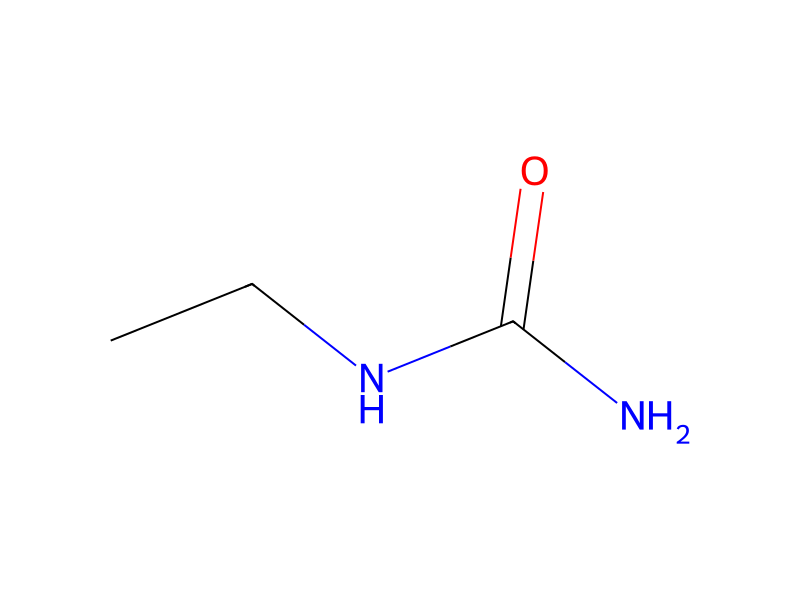
Basic information
- CAS
625-52-5- Standard SMILES
CCNC(N)=O- InChIKey
RYECOJGRJDOGPP-UHFFFAOYSA-N- Molecular formula
- C3H8N2O
- Average molar mass
- 88.11 g/mol
- Monoisotopic mass
- 88.06366288
Overview
See also: Polyurethane (annotation moved to).
Names & identifiers
- Preferred name
- Ethylurea
- IUPAC
- ethylurea
- English name
- Ethylurea
- Molecular formula
- C3H8N2O
- Molecular weight
- 88.11
Names & synonyms
EthylureaN-ETHYLUREA625-52-51-EthylureaUrea, ethyl-7K14B03X18NSC-53556DTXSID20873854RefChem:921324DTXCID3011929210-898-8Urea, 1-ethyl-
Show more names
ethyl-ureethvlureaETHANOLUREA1-ethyl-ureurea,ethyl-Ethylurea>monoethylurea
Urea, N-ethyl-ethyl urea9009-54-5EINECS 210-898-8MFCD00007953NSC 53556UNII-7K14B03X18AI3-52220
Database identifiers
- CAS
625-52-5、9009-54-5- PubChem CID
- 12254
- DTXSID
DTXSID20873854- UNII
- 7K14B03X18
- EC Number
- 210-898-8、618-449-1
- Nikkaji
- J3.010D
Properties
Computed structural propertiesFilling in
- XLogP
- -0.7
- Topological polar surface area
- 55.1 Ų
- Hydrogen bond donors
- 2
- Hydrogen bond acceptors
- 1
- Rotatable bonds
- 1
- Heavy atoms
- 6
- Formal charge
- 0
- Complexity
- 52.8
Experimental & physicochemical properties
PolymersPlastics & Rubber -> Polymers
SpringerMaterials Properties15N nuclear magnetic resonance spectrum
PesticidesEnvironmental transformation -> Pesticide transformation products (metabolite, successor)
LogP-0.74
Food Contact SubstancesFCS -> FDA Inventory of Food Contact Substances Listed in 21 CFR
Physical DescriptionSolid; [Elite Foam MSDS]
Physicochemical properties
- Melting point
- 87 · 87-90 °C (lit.)
- Boiling point
- 163.08 °C · 163.08°C (rough estimate)
- Density
- 1.213 · 1.2130
- refractive index
- 1.4715 · 1.4715 (estimate)
- Flash point
- 93 °C · 93 °C
- storage temp.
- Sealed in dry,Room Temperature
- solubility
- 2 O: · H2O: 0.1 g/mL, clear, colorless
- pka
- 14.39 · 14.39±0.46(Predicted)
- form
- Solid
- color
- Off-White to Pale Yellow
- Water Solubility
- soluble
- BRN
- 1740512 · 1740512
- InChI
- 1S/C3H8N2O/c1-2-5-3(4)6/h2H2,1H3,(H3,4,5,6)
- InChIKey
- RYECOJGRJDOGPP-UHFFFAOYSA-N
- SMILES
- CCNC(N)=O
- CAS DataBase Reference
- 625 · 625-52-5(CAS DataBase Reference)
- FDA UNII
- 7 K14B03X18 · 7K14B03X18
- NIST Chemistry Reference
- Urea, ethyl-(625-52-5)
- EPA Substance Registry System
- Ethylurea (625-52-5)
- UNSPSC Code
- 12352100 · 12352100
- NACRES
- 22 · NA.22
- Symbol(GHS)
- 7 · GHS07
- Signal word
- Warning
- Hazard statements
- 317 · H317-H319
- Precautionary statements
- 280 · P280-P305+P351+P338
- PPE
- 95 · Eyeshields, Gloves, type N95 (US)
- Hazard Codes
- Xn
- Risk Statements
- 68 · 68-37-20/21/22
- Safety Statements
- 22 · 22-24/25
- RIDADR
- 1325 · 1325
- WGK Germany
- 3 · 3
- RTECS
- 2335000 · YT2335000
- TSCA
- TSCA listed
- PackingGroup
- III
- HS Code
- 2924199090 · 2924199090
- Storage Class
- 11 · 11 - Combustible Solids
Safety & regulation
Safety information is for reference only and does not replace the supplier’s Safety Data Sheet (SDS), applicable regulations, or professional assessment.
GHS classification
GHS Classification
This chemical does not meet GHS hazard criteria for 33.3% (1 of 3) of reports.
Warning
H315 (66.7%): Causes skin irritation [Warning Skin corrosion/irritation]
P261, P264, P264+P265, P271, P280, P302+P352, P304+P340, P305+P351+P338, P319, P321, P332+P317, P337+P317, P362+P364, P403+P233, P405, and P501 (click each P-code to see the statement)
Aggregated GHS information provided per 3 reports by companies from 3 notifications to the ECHA C&L Inventory. Each notification may be associated with multiple companies.
This chemical does not meet GHS hazard criteria for 100% (3 of 3) of all reports.
Hazard information
Regulatory Information
Chemical: Urea, ethyl-
Urea, ethyl-: Does not have an individual approval but may be used under an appropriate group standard
Hazards SummaryHuman inhalation of 12 mg/m3 for 11 weeks causes visual field changes; [RTECS] Dust may cause mechanical irritation; [Elite Foam MSDS] See DIISOCYANATES.
Hazard Classes and Categories
Skin Irrit. 2 (66.7%)
Not Classified
Safety & protection
Protective Action Criteria (PAC)
120 [mg/m3]
1300 [mg/m3]
7900 [mg/m3]
Toxicology
Carcinogen Classification
Polyurethane foams
Group 3: Not classifiable as to its carcinogenicity to humans
Volume 19: (1979) Some Monomers, Plastics and Synthetic Elastomers, and Acrolein
1987
1987
NB This CAS No. has been deleted.
Safety data
- PPE
- Eyeshields, Gloves, type N95 (US)
- wgk
- 3
- tsca
- TSCA listed
- rtecs
- YT2335000
- ridadr
- 1325
- hs_code
- 2924199090
- risk_code
- 68-37-20/21/22
- Signal word
- Warning
- Symbol(GHS)
- GHS07
- hazard_code
- Xn
- safety_code
- 22-24/25
- Storage Class
- 11 - Combustible Solids
- packing_group
- III
- Hazard statements
- H317-H319
- Precautionary statements
- P280-P305+P351+P338
Chemistry & industry
Uses & manufacturing
UsesWidely used foam insulation. [ChemIDplus] Polyurethane refers to a group of similar polymers with applications including furniture, household products, and biological products; [REPROTOX]
Use ClassificationEnvironmental transformation -> Pesticide transformation products (metabolite, successor)
General Manufacturing InformationUrea, N-ethyl-: ACTIVE
Applications
UsesN-Ethylurea, is a versatile building block, that can be used in organic synthesis of various pharmaceutical and biologically active compounds, as Nitrogen and Carbonyl source.
Upstream & downstream products
Downstream products
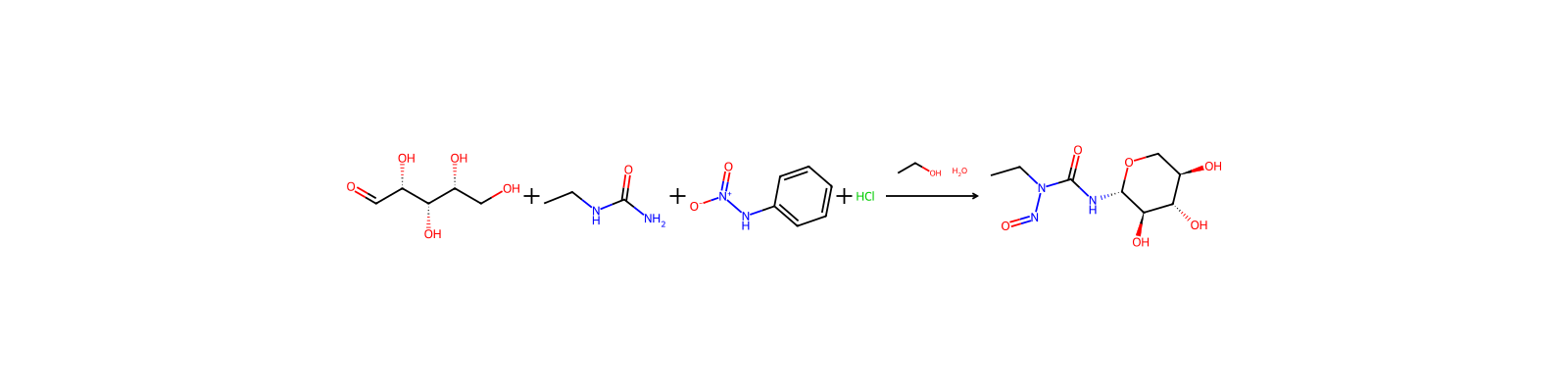
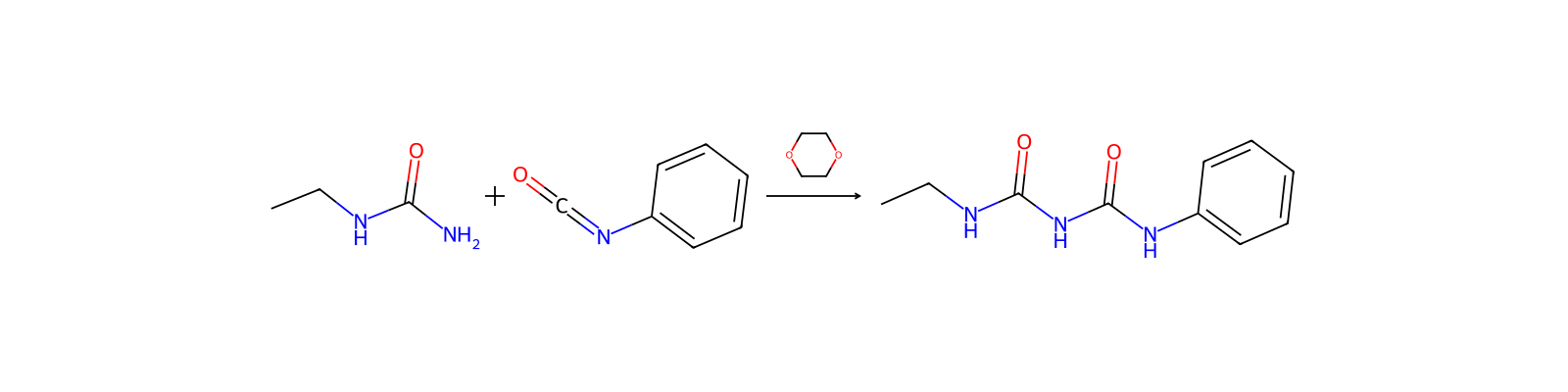
Related reactions
14 records



Compound notes
Loading…