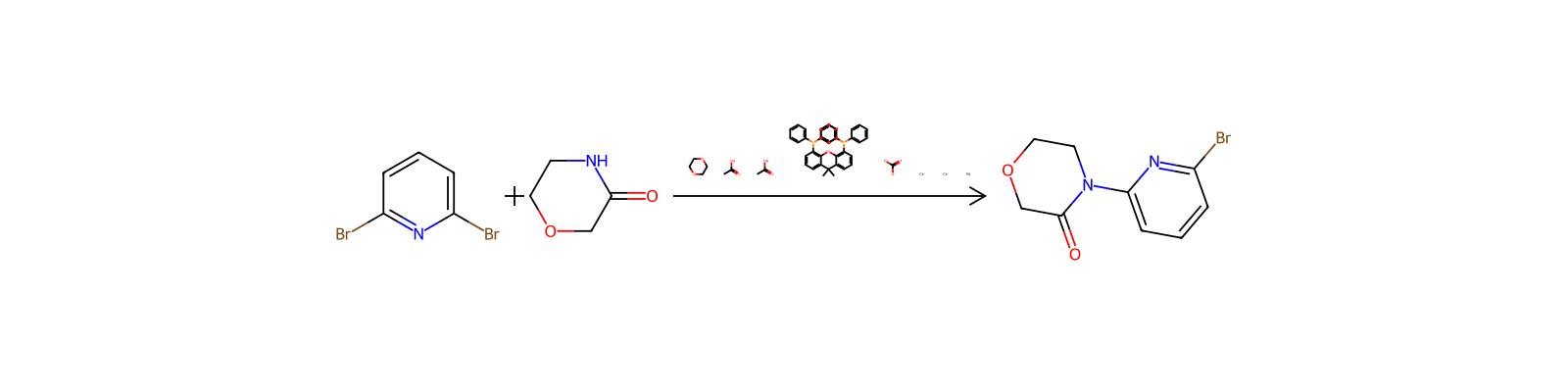
2,6-Dibromopyridine
Completing data — refresh the page later to see the latest
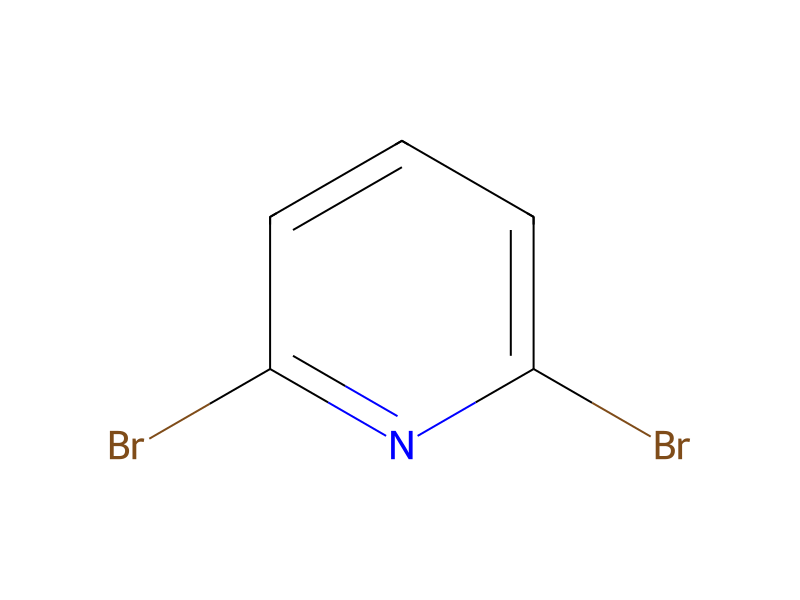
Basic information
- CAS
626-05-1- Standard SMILES
Brc1cccc(Br)n1- InChIKey
FEYDZHNIIMENOB-UHFFFAOYSA-N- Molecular formula
- C5H3Br2N
- Average molar mass
- 236.89 g/mol
- Monoisotopic mass
- 234.8632233
Names & identifiers
- Preferred name
- 2,6-Dibromopyridine
- IUPAC
- 2,6-dibromopyridine
- English name
- 2,6-Dibromopyridine
- Molecular formula
- C5H3Br2N
- Molecular weight
- 236.89
Names & synonyms
2,6-DibromopyridinePYRIDINE, 2,6-DIBROMO-NSC 613EINECS 210-926-9BRN 0108922D9SBA5R353NSC-613DTXSID302116425-20-05-00435 (Beilstein Handbook Reference)RefChem:83149DTXCID60134133210-926-9
Show more names
2,4-dibroMo-6-nitropyridine2,6-dibromo-pyridinLasmiditan Impurity 462,6-Dibromopyridine,98%2,6-Dibromopyridine >2,6-DibroMopyridine, 98% 25GR2,6-Dibromopyridine CAS 626-05-12,6-Dibromopyridine ISO 9001:2015 REACH
FEYDZHNIIMENOB-UHFFFAOYSA-N626-05-12,6-dibromo-pyridineMFCD000062232,6-dibromo pyridineNSC6132,6dibromopyridine2,6-dibrompyridine
Database identifiers
- CAS
626-05-1- PubChem CID
- 12274
- DTXSID
DTXSID30211642- UNII
- D9SBA5R353
- EC Number
- 210-926-9
- Nikkaji
- J32.652F
Properties
Computed structural propertiesFilling in
- XLogP
- 2.9
- Topological polar surface area
- 12.9 Ų
- Hydrogen bond donors
- 0
- Hydrogen bond acceptors
- 1
- Rotatable bonds
- 0
- Heavy atoms
- 8
- Formal charge
- 0
- Complexity
- 68.8
Experimental & physicochemical properties
SpringerMaterials Properties15N nuclear magnetic resonance spectrum
Physicochemical properties
- Melting point
- 117 · 117-119 °C (lit.)
- Boiling point
- 255 °C · 255°C
- Density
- 2.0383 · 2.0383 (rough estimate)
- refractive index
- 1.58 · 1.5800 (estimate)
- Flash point
- 213 °C · 213 °C
- storage temp.
- Keep in dark place,Sealed in dry,Room Temperature
- solubility
- Chloroform (Slightly), Methanol (Slightly)
- form
- Crystalline Powder
- pka
- -3.65 · -3.65±0.10(Predicted)
- color
- White to gray or buff
- Water Solubility
- insoluble
- BRN
- 108922 · 108922
Safety & regulation
Safety information is for reference only and does not replace the supplier’s Safety Data Sheet (SDS), applicable regulations, or professional assessment.
GHS classification
GHS Classification
Danger
H300 (96.7%): Fatal if swallowed [Danger Acute toxicity, oral]
P261, P264, P264+P265, P270, P271, P273, P280, P301+P316, P302+P352, P304+P340, P305+P351+P338, P317, P319, P321, P330, P332+P317, P337+P317, P362+P364, P403+P233, P405, and P501 (click each P-code to see the statement)
Aggregated GHS information provided per 60 reports by companies from 14 notifications to the ECHA C&L Inventory. Each notification may be associated with multiple companies.
Hazard information
Regulatory Information
Chemical: Pyridine, 2,6-dibromo-
Status: Active Update: 25-05-2018 https://echa.europa.eu/registration-dossier/-/registered-dossier/20034
2,6-Dibromopyridine: Does not have an individual approval but may be used under an appropriate group standard
Hazard Classes and CategoriesAcute Tox. 2 (96.7%)
CSL Reaction Information
CSL00134
OXYGEN + COPPER(II) CHLORIDE DIHYDRATE + 2,6-DIBROMOPYRIDINE + N-BUTYLLITHIUM + DIETHYL ETHER
O2 reacted with the organocopper (or remaining organolithium) reagent to form some peroxides which exploded
Explosive
Ullmann coupling
ACS Safety Letters
Safety data
- PPE
- dust mask type N95 (US), Eyeshields, Gloves
- wgk
- 3
- rtecs
- US7883000
- ridadr
- 2811
- hs_code
- 29333999
- risk_code
Chemistry & industry
Applications
Description2,6-Dibromopyridine is a halogenated pyridine compound used as a pharmaceutical intermediate in the synthesis of the migraine drug (Lasmiditan).Lasmiditan is an oral prescription drug used to treat acute migraine headaches with or without aura. It is important to note that it is not used for migraine prevention.
Uses2,6-Dibromopyridine is used as a tridentate chelating ligand and in the formation of macrocycles containing the terpyridine moiety. It is also used to produce 6-bromo-2-methoxypyridine.
Upstream & downstream products
Upstream raw materials
Downstream products
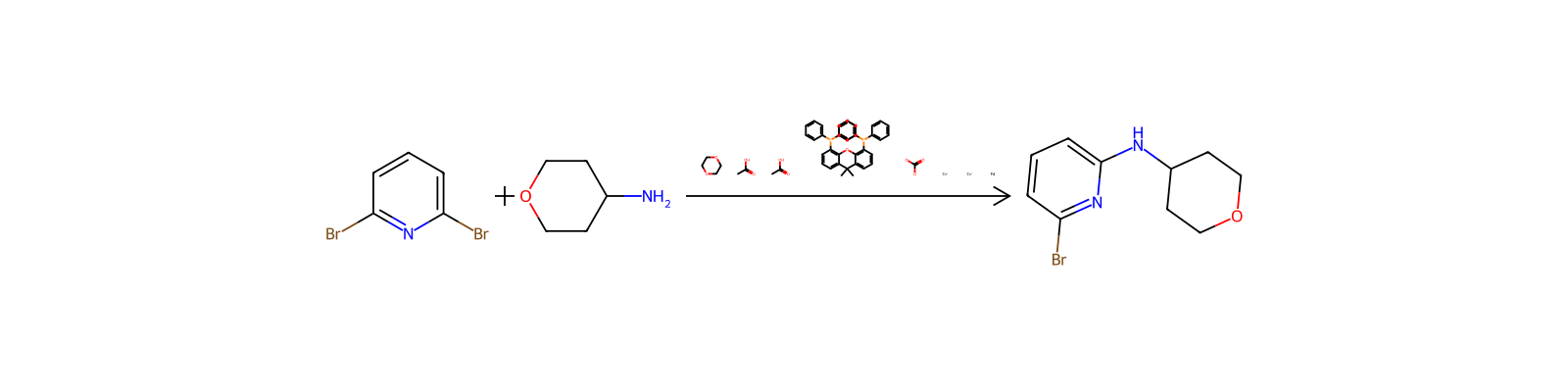
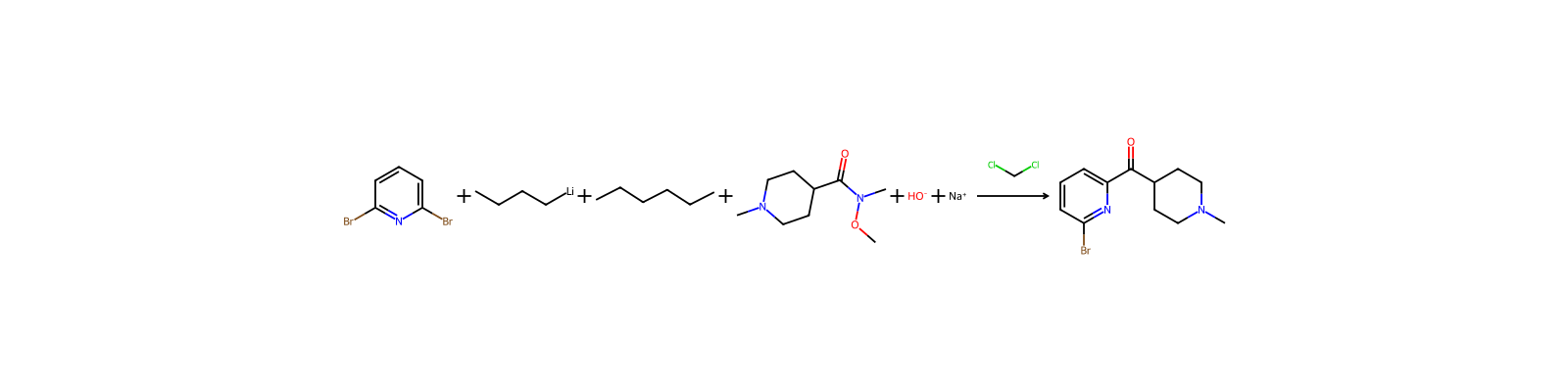
Related reactions
469 records



Compound notes
Loading…