Basic information
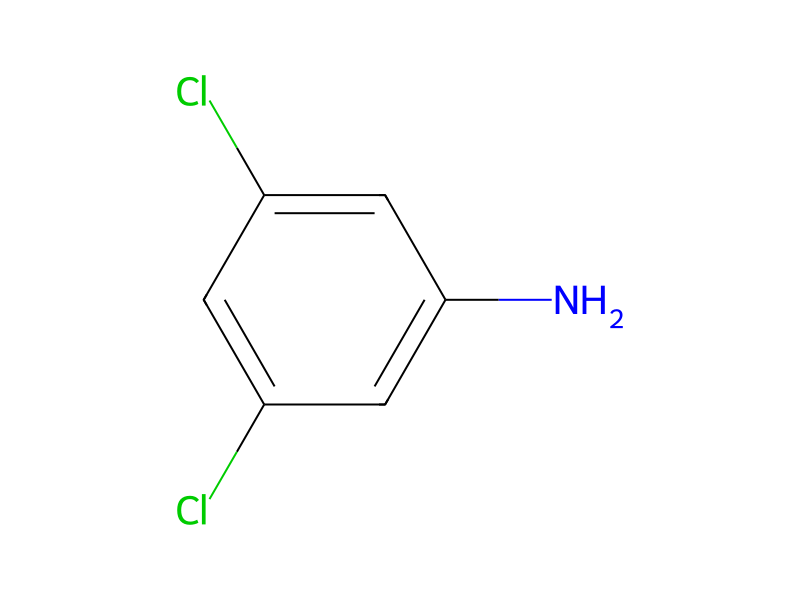
- Standard SMILES
Nc1cc(Cl)cc(Cl)c1- InChIKey
UQRLKWGPEVNVHT-UHFFFAOYSA-N- Molecular formula
- C6H5Cl2N
- Average molar mass
- 162.01 g/mol
- Monoisotopic mass
- 160.97990452
Overview
3,5-dichloroaniline is a dichloroaniline.
Names & identifiers
- Preferred name
- 3,5-Dichloroaniline
- IUPAC
- 3,5-dichloroaniline
- English name
- 3,5-Dichloroaniline
- Molecular formula
- C6H5Cl2N
- Molecular weight
- 162.02
Names & synonyms
3,5-DICHLOROANILINE626-43-7Benzenamine, 3,5-dichloro-3,5-DichlorobenzenamineAniline, 3,5-dichloro-DTXSID7030307OZ75ZM1S3GDTXCID5010307CHEBI:19904RefChem:91481210-948-9m-Dichloroaniline
Show more names
3,5-DCABF352-313,5-dichloroAKOS BBS-000035583,5 DICHLORANILINETIMTEC-BB SBB0083493,5-dichloro-anilin
3,5-dichlorophenylamineMFCD000077743,5-DichloranilinCAS-626-43-7CCRIS 23961219795-03-5HSDB 54373,5-dichloro benzenamine
Database identifiers
- CAS
626-43-7- PubChem CID
- 12281
- DTXSID
DTXSID7030307- ChEMBL
CHEMBL1451208- ChEBI
CHEBI:19904- UNII
- OZ75ZM1S3G
- EC Number
- 210-948-9
- Nikkaji
- J43.173G
Properties
Computed structural properties
- XLogP
- 2.9
- Topological polar surface area
- 26 Ų
- Hydrogen bond donors
- 1
- Hydrogen bond acceptors
- 1
- Rotatable bonds
- 0
- Heavy atoms
- 9
- Formal charge
- 0
- Complexity
- 87.1
Experimental & physicochemical properties
Chemical ClassesNitrogen Compounds -> Amines, Aromatic
SpringerMaterials Properties13C nuclear magnetic resonance spectrum
Pesticides
Environmental transformation -> Pesticide transformation products (metabolite, successor)
Pesticide degradation product
LogP
log Kow= 2.90
2.6
Density1.58
Color/FormNeedles from petroleum ether or dilute alcohol
Solubility
INSOL IN WATER; SOL IN HOT PETROLEUM ETHER
Sol in alcohol, ether, benzene, chloroform
... Water solubility of 759 ppm at 23 °C ... .
Boiling Point260 °C @ 741 mm Hg
Melting Point51-53 °C
Vapor Pressure0.02 [mmHg]
Physical DescriptionSolid; [HSDB] White crystalline solid; [MSDSonline]
Physicochemical properties
- Melting point
- 46 · 46-52 °C (lit.)
- Boiling point
- 259 · 259-260 °C/741 mmHg (lit.)
- Density
- 1.58 · 1.58
- vapor pressure
- 40 hPa · 40 hPa ( 150 °C)
- refractive index
- 1.6 · 1.6000 (estimate)
- Flash point
- 230 °F · >230 °F
- storage temp.
- 30 °C · Store below +30°C.
- solubility
- 0.78 g/l · 0.78g/l
- form
- crystalline
- pka
- 1 · pK1:2.37(+1) (25°C)
- color
- dark gray
- Water Solubility
- 0.6 g/L · 0.6 g/L (26 ºC)
- BRN
- 636492 · 636492
- Henry's Law Constant
- 6.2 · 6.2×100 mol/(m3Pa) at 25℃, HSDB (2015)
- InChI
- 1S/C6H5Cl2N/c7-4-1-5(8)3-6(9)2-4/h1-3H,9H2
- InChIKey
- UQRLKWGPEVNVHT-UHFFFAOYSA-N
- SMILES
- Nc1cc(Cl)cc(Cl)c1
- LogP
- 2.9 at · 2.9 at 20-25℃
- CAS DataBase Reference
- 626 · 626-43-7(CAS DataBase Reference)
- FDA UNII
- 75 ZM1S3G · OZ75ZM1S3G
- NIST Chemistry Reference
- 3 · Benzenamine, 3,5-dichloro-(626-43-7)
- EPA Substance Registry System
- 3 · 3,5-Dichloroaniline (626-43-7)
- UNSPSC Code
- 41116107 · 41116107
- NACRES
- 24 · NA.24
- Symbol(GHS)
- 6 · GHS06,GHS08,GHS09
- Signal word
- Danger
- Hazard statements
- 301 · H301+H311+H331-H371-H411
- Precautionary statements
- 501 · P501-P273-P260-P270-P271-P264-P280-P391-P308+P311-P361+P364-P301+P310+P330-P302+P352+P312-P304+P340+P311-P403+P233-P405
- target organs
- Kidney
- Hazard Codes
- T,N,Xi
- Risk Statements
- 23 · 23/24/25-33-50/53
- Safety Statements
- 28 · 28-36/37-45-60-61-28A
- RIDADR
- 3442 · UN 3442 6.1/PG 2
- WGK Germany
- 3 · 3
- F
- 8 · 8
- Autoignition Temperature
- 620 °C · 620°C
- Hazard Note
- Irritant
- TSCA
- TSCA listed
- HazardClass
- 6.1 · 6.1
- PackingGroup
- II
- HS Code
- 29214210 · 29214210
- Storage Class
- 6.1 A · 6.1A - Combustible acute toxic Cat. 1 and 2very toxic hazardous materials
- Hazard Classifications
- 3 DermalAcute · Acute Tox. 3 DermalAcute Tox. 3 InhalationAcute Tox. 3 OralAquatic Acute 1Aquatic Chronic 1STOT RE 2
- Hazardous Substances Data
- 626 · 626-43-7(Hazardous Substances Data)
- REACH Registrations
- Active
- Limited Quantities
- 100 ml · 100ml (liquid) or 0.5 Kg (solid)
- Excepted Quantities
- Max Inner Pack (1g or 1ml) and Max Outer Pack (500g or 500ml)
Safety & regulation
GHS classification
GHS Classification
Danger
H301 (99.3%): Toxic if swallowed [Danger Acute toxicity, oral]
P260, P261, P262, P264, P270, P271, P273, P280, P301+P316, P302+P352, P304+P340, P316, P319, P321, P330, P361+P364, P391, P403+P233, P405, and P501 (click each P-code to see the statement)
Aggregated GHS information provided per 147 reports by companies from 14 notifications to the ECHA C&L Inventory. Each notification may be associated with multiple companies.
Warning
H371: May cause damage to organs [Warning Specific target organ toxicity, single exposure]
Hazard information
Regulatory Information
Chemical: Benzenamine, 3,5-dichloro-
Commission Regulation No 844/2012
Status: Active Update: 09-10-2018 https://echa.europa.eu/registration-dossier/-/registered-dossier/14511
Other Safety InformationIMAP assessments - Dichloroanilines: Human health tier II assessment
Hazards Summary
Emergency treatment: Methemoglobinemia; The dichloroanilines cause evidence of kidney damage (proteinuria, hematuria, and elevated blood urea nitrogen) at 0.8 mmol/kg given intraperitoneally to rats; [HSDB] An irritant; May induce methemoglobinemia; May be absorbed through skin; [MSDSonline] See 3,4-Dichloroaniline.
TSCA Requirements
Pursuant to section 8(d) of TSCA, EPA promulgated a model Health and Safety Data Reporting Rule. The section 8(d) model rule requires manufacturers, importers, and processors of listed chemical substances and mixtures to submit to EPA copies and lists of unpublished health and safety studies. 3,5-Dichlorobenzeneamine is included on this list.
Atmospheric Standards
This action promulgates standards of performance for equipment leaks of Volatile Organic Compounds (VOC) in the Synthetic Organic Chemical Manufacturing Industry (SOCMI). The intended effect of these standards is to require all newly constructed, modified, and reconstructed SOCMI process units to use the best demonstrated system of continuous emission reduction for equipment leaks of VOC, considering costs, non air quality health and environmental impact and energy requirements. 3,5-Dichloroaniline is produced, as an intermediate or a final product, by process units covered under this subpart.
DOT Emergency Guidelines
/GUIDE 153: SUBSTANCES - TOXIC AND/OR CORROSIVE (COMBUSTIBLE)/ Health: TOXIC; inhalation, ingestion, or skin contact with material may cause severe injury or death. Contact with molten substance may cause severe burns to skin and eyes. Avoid any skin contact. Effects of contact or inhalation may be delayed. Fire may produce irritating, corrosive and/or toxic gases. Runoff from fire control or dilution water may be corrosive and/or toxic and cause pollution. /Dichloroanilines; Dichloroanilines, liquid; Dichloroanilines, solid/
/GUIDE 153: SUBSTANCES - TOXIC AND/OR CORROSIVE (COMBUSTIBLE)/ Fire or Explosion: Combustible material: may burn but does not ignite readily. When heated, vapors may form explosive mixtures with air: indoors, outdoors, and sewers explosion hazards. Those substances designated with a "P" may polymerize explosively when heated or involved in a fire. Contact with metals may evolve flammable hydrogen gas. Containers may explode when heated. Runoff may pollute waterways. Substance may be transported in a molten form. /Dichloroanilines; Dichloroanilines, liquid; Dichloroanilines, solid/
/GUIDE 153: SUBSTANCES - TOXIC AND/OR CORROSIVE (COMBUSTIBLE)/ Public Safety: CALL Emergency Response Telephone Number ... . As an immediate precautionary measure, isolate spill or leak area in all directions for at least 50 meters (150 feet) for liquids and at least 25 meters (75 feet) for solids. Keep unauthorized personnel away. Stay upwind. Keep out of low areas. Ventilate enclosed areas. /Dichloroanilines; Dichloroanilines, liquid; Dichloroanilines, solid/
/GUIDE 153: SUBSTANCES - TOXIC AND/OR CORROSIVE (COMBUSTIBLE)/ Protective Clothing: Wear positive pressure self-contained breathing apparatus (SCBA). Wear chemical protective clothing that is specifically recommended by the manufacturer. It may provide little or no thermal protection. Structural firefighters' protective clothing provides limited protection in fire situations ONLY; it is not effective in spill situations where direct contact with the substance is possible. /Dichloroanilines; Dichloroanilines, liquid; Dichloroanilines, solid/
For more DOT Emergency Guidelines (Complete) data for 3,5-DICHLOROANILINE (8 total), please visit the HSDB record page.
Hazard Classes and Categories
Acute Tox. 3 (99.3%)
Acute toxicity - category 3
Specific target organ toxicity - Single exposure - Category 2 (blood system)
Shipment Methods and Regulations
No person may /transport,/ offer or accept a hazardous material for transportation in commerce unless that person is registered in conformance ... and the hazardous material is properly classed, described, packaged, marked, labeled, and in condition for shipment as required or authorized by ... /the hazardous materials regulations (49 CFR 171-177)./
The International Air Transport Association (IATA) Dangerous Goods Regulations are published by the IATA Dangerous Goods Board pursuant to IATA Resolutions 618 and 619 and constitute a manual of industry carrier regulations to be followed by all IATA Member airlines when transporting hazardous materials.
The International Maritime Dangerous Goods Code lays down basic principles for transporting hazardous chemicals. Detailed recommendations for individual substances and a number of recommendations for good practice are included in the classes dealing with such substances. A general index of technical names has also been compiled. This index should always be consulted when attempting to locate the appropriate procedures to be used when shipping any substance or article.
Shipping Name/ Number DOT/UN/NA/IMO
IMO 6.1; Dichloroanilines
UN 1590; Dichloroanilines
Safety & protection
Fire Fighting Procedures
If material on fire or involved in fire: Use dry chemical or carbon dioxide. Cool all affected containers with flooding quantities of water. use water in flooding quantities as fog. /Dichloroaniline/
Personnel protection: ... Wear positive pressure self-contained breathing apparatus when fighting fires involving this material. /Dichloroaniline/
Disposal Methods
SRP: At the time of review, criteria for land treatment or burial (sanitary landfill) disposal practices are subject to significant revision. Prior to implementing land disposal of waste residue (including waste sludge), consult with environmental regulatory agencies for guidance on acceptable disposal practices.
Preventive Measures
SRP: Local exhaust ventilation should be applied wherever there is an incidence of point source emmissions or dispersion of regulated contaminants in the work area. Ventilation control of the contaminant as close to its point of generation is both the most economical and safest method to minimize personnel exposure to airborne contaminants.
... ANILINE SHOULD BE REACTED IN CLOSED VESSELS AS FAR AS POSSIBLE. IN FACTORIES VENTILATION SHOULD BE SUFFICIENT TO KEEP ATMOSPHERIC ANILINE CONTENT WELL BELOW PERMITTED LEVEL. /ANILINE/
Eating and smoking should not be allowed in areas where liquid aniline is handled, processed, or stored. /Aniline/
Clothing which becomes soaked with aniline should be promptly removed. /Aniline/
For more Preventive Measures (Complete) data for 3,5-DICHLOROANILINE (9 total), please visit the HSDB record page.
Personal Protective Equipment (PPE)
POSSIBLE EXPOSURE TO HIGHER CONCN (PIPE BREAKAGE, SPLASHING, CLEANING OR REPAIR OF STORAGE TANKS) NECESSITATES USE OF SAFETY GOGGLES, GAS MASK, APRON, & RUBBER GLOVES. /ANILINE/
RESPIRATOR FOR ORGANIC VAPORS, SPLASHPROOF GOGGLES ... /&/ BOOTS. /ANILINE/
Respiratory protection from aniline is as follows: vapor concentration of 100 ppm or less: a chemical cartridge respirator with a full facepiece and an organic vapor cartridge(s) or a gas mask with a chin-style front or back-mounted organic vapor canister or any supplied-air respirator with a full facepiece, helmet or hood, or any self-contained breathing apparatus with a full facepiece; greater than 100 ppm or entry and escape from unknown concentrations: self-contained breathing apparatus with a full facepiece operated in pressure demand or other positive pressure mode or a combination respirator which includes a type C supplied-air respirator with a full facepiece operated in pressure-demand or other positive pressure or continuous-flow mode and an auxiliary self-contained breathing apparatus operated in pressure-demand or other positive pressure mode; escape: any gas mask providing protection against organic vapors or any self-contained breathing apparatus. /Aniline/
Butyl rubber protective clothing ... . /Aniline/
Toxicology
Environmental Fate
TERRESTRIAL FATE: Based on a classification scheme(1), a Koc value of 309(2) indicates that 3,5-dichloroaniline is expected to have moderate mobility in soil(SRC). When released to soil, 3,5-dichloroaniline may undergo covalent chemical bonding with humic materials, which can result in its chemical alteration to a latent form and tight adsorption. When covalently bound in this latent form, leaching in soil systems is not generally expected to occur. This covalent bonding proceeds in two steps; a rapid and reversible bonding followed by a slower and much less reversible reaction(3). Incubation of 3,5-dichloroaniline in covered beakers containing a sandy loam soil for 14 days yielded the azo compound 3,3',5,5'-tetrachloroazobenzene(4). Volatilization of 3,5-dichloroaniline from moist soil surfaces is expected to be an important fate process(SRC) given an estimated Henry's Law constant of 1.58X10⁻⁴ atm-cu m/mole(SRC), using a fragment constant estimation method(5). 3,5-Dichloroaniline is not expected to volatilize from dry soil surfaces(SRC) based upon an estimated vapor pressure of 8.51X10⁻³ mm Hg(SRC), determined from a fragment constant method(6).
AQUATIC FATE: Based on a classification scheme(1), a Koc value of 309(2) indicates that 3,5-dichloroaniline is expected to adsorb to suspended solids and sediment in water(SRC). 3,5-Dichloroaniline may undergo a covalent chemical bonding with sediment resulting in its chemical alteration to a latent form resulting in stronger adsorption. Using the Closed Bottle screening test, a 0% theoretical BOD(Biological Oxygen Demand) was observed over a 30-day inoculation period using a sewage inoculum(3). Volatilization from water surfaces is expected(4) based upon an estimated Henry's Law constant of 1.58X10⁻⁶ atm-cu m/mole(SRC), developed using a fragment constant estimation method(5). Volatilization half-lives for a model river and model lake are 30 days and 219 days, respectively(SRC), using an estimation method(4). However, the volatilization half-life does not take into account the effects of adsorption. A Koc value of 309(2) and 3,5-dichloroaniline's ability to undergo covalent chemical bonding with sediment, suggests that volatilization could be attenuated by adsorption to suspended solids and sediments in water(SRC). This is apparent from the results of two EXAMS model runs, one in which the effect of adsorption was considered, yielding an estimated half-life of 621 days in a model pond 2 m deep, and one in which the effect of adsorption was ignored, yielding an estimated half-life of 321 days in a model pond 2 m deep(6). According to a classification scheme(7), an estimated BCF of 94(4,SRC), from the log Kow(8), suggests the potential for bioconcentration in aquatic organisms is moderate.
ATMOSPHERIC FATE: According to a model of gas/particle partitioning of semi-volatile organic compounds in the atmosphere(1), 3,5-dichloroaniline, which has an estimated vapor pressure of 8.51X10⁻³ mm Hg at 25 °C(2), is expected to exist solely as a vapor in the ambient atmosphere. Vapor-phase 3,5-dichloroaniline is degraded in the atmosphere by reaction with photochemically-produced hydroxyl radicals(SRC); the half-life for this reaction in air is estimated to be 7 hours(SRC) from its estimated rate constant of 5.33X10⁻¹¹ atm-cu m/mole(3).
Adverse EffectsOccupational hepatotoxin - Secondary hepatotoxins: the potential for toxic effect in the occupational setting is based on cases of poisoning by human ingestion or animal experimentation.
Soil Adsorption/Mobility
The Koc of 3,5-dichloroaniline is 309(1). According to a classification scheme(2), this estimated Koc value suggests that 3,5-dichloroaniline is expected to have moderate mobility in soil. However, chloroanilines have been shown to bind strongly to humus or organic matter in soils due to the high reactivity of the aromatic amino group(3,4), suggesting that mobility may be much lower in some soils(SRC).
Human Toxicity Excerpts
3,5-Dichloroaniline is an intermediate in the production of certain fungicides. This study characterized the capacity of 3,5-dichloroaniline and two putative metabolites to induce methemoglobin formation. In vivo intraperitoneal (i.p.) administration of 0.8 mmol/kg 3,5-dichloroaniline resulted in elevated (P < 0.05) methemoglobin levels at 2 and 4 h after injection and returned to control values within 8 h. In vitro methemoglobin generation was monitored in washed erythrocytes incubated for 60 min at 37~ C with 4 and 8 mM 3,5-dichloroaniline. Methemoglobin generation in vitro was higher (P < 0.05) than control values in erythrocytes incubated for 30 min with 0.2-0.6 mM 4-amino-2,6-dichlorophenol or 5-100 muM 3,5-dichlorophenylhydroxylamine. The in vitro methemoglobin generating capacity in decreasing order was: 3,5-dichlorophenylhydroxylamine > 4-amino-2,6-dichlorophenolults of the in vitro studies further indicated that none of the compounds tested induced lipid peroxidation. Erythrocytes incubated with 5-100 muM 3,5-dichlorophenylhydroxylamine in vitro were associated with depletion of glutathione. These results indicated that: (a) 3,5-dichloroaniline and its metabolites can induce methemoglobin formation; (b) the N-hydroxy metabolite was the most potent inducer of hemoglobin oxidation and (c) glutathione depletion was associated with methemoglobin formation by 3,5-dichlorophenylhydroxylamine.
Artificial Pollution Sources3,5-Dichloroaniline's production and use in the production of pesticides, dyes, and pharmaceuticals(1) may result in its release to the environment through various waste streams.
Environmental Biodegradation
IN CLOSED-BOTTLE TEST, 3,5-DICHLOROANILINE IS HIGHLY RESISTANT TO BIODEGRADATION AFTER 10 DAYS OF INCUBATION TIME. IN SIMULATED ACTIVATED-SLUDGE PROCESS, APPROX 97% IS BIOELIMINATED AFTER 10-16 DAYS ADAPTATION TIME & APPROXIMATELY 15-20% DICHLOROANILINE IS REMOVED BY VAPORIZATION, BIOELIMINATION, & SORPTION BY APPARATUS.
The effects of dichlorine-substituted anilines on Guelph loam were studied. 3,5-Dichloroaniline at concentrations of 5 to 100 ug/g soil was inhibitory against the oxidation of the nitrogen of ammonia to nitrite nitrogen, but not nitrite nitrogen to nitrate nitrogen. It showed an initially faster rate up to 4 weeks, followed by a reduced rate of disappearance. The dichloroanilines were more persistent than aniline or the monochloroanilines.
AEROBIC: Incubation of 3,5-dichloroaniline in covered beakers containing a sandy loam soil for 14 days yielded the azo compound 3,3',5,5'-tetrachloroazobenzene(1). Using the Closed Bottle screening test, a 0% theoretical BOD(Biological Oxygen Demand) was observed over a 30-day inoculation period using a sewage inoculum(2). In a simulated biological treatment system using an activated sludge inocula, elimination of 3,5-dichloroaniline over 29-41 days of operation was approximately 15-16% with bio-elimination (biodegradation plus adsorption to sludge) accounting for 5%, adsorption to the apparatus accounting for about 6-7%, and volatilization accounting for less than 4%(2). ANAEROBIC: Reductive dehalogenation of 3,5-dichloroaniline was examined in an anaerobic estuarine sediment which had been pre-exposed to various industrial organic chemicals. The first-order rate constant for 3,5-dichloroaniline was 0.005 day-1 with a half life of 149 days(3). This half-life was 3 times longer than other dichloroanilines studied. No degradation of 3,5-dichloroaniline (based on theoretical methane evolution) was observed in an anaerobic-water screening test over a 28 day incubation period using a digester sludge inocula(4).
Environmental Bioconcentration
An estimated BCF of 94 was calculated for 3,5-dichloroaniline(SRC), using a log Kow of 2.90(1) and a regression-derived equation(2). According to a classification scheme(3), this BCF suggests the potential for bioconcentration in aquatic organisms is moderate.
Volatilization from Water/Soil
The Henry's Law constant for 3,5-dichloroaniline is estimated as 1.58X10⁻⁶ atm-cu m/mole(SRC) using a fragment constant estimation method(1). This Henry's Law constant indicates that 3,5-dichloroaniline is expected to volatilize from water surfaces(2). Based on this Henry's Law constant, the volatilization half-life from a model river (1 m deep, flowing 1 m/sec, wind velocity of 3 m/sec)(2) is estimated as approximately 30 days(SRC). The volatilization half-life from a model lake (1 m deep, flowing 0.05 m/sec, wind velocity of 0.5 m/sec)(2) is estimated as approximately 219 days(SRC). However, the volatilization half life does not take into account the effects of adsorption. A Koc value of 309(3), suggests that volatilization could be attenuated by adsorption to suspended solids and sediments in water(SRC). This is apparent from the results of two EXAMS model runs, one in which the effect of adsorption was considered, yielding an estimated half-life of 621 days in a model pond 2 m deep, and one in which the effect of adsorption was ignored, yielding an estimated half-life of 321 days in a model pond 2 m deep(4). 3,5-Dichloroaniline's Henry's Law constant(1) indicates that volatilization from moist soil surfaces may occur(SRC). 3,5-Dichloroaniline is not expected to volatilize from dry soil surfaces(SRC) based upon an estimated vapor pressure of 8.51X10⁻³ mm Hg(SRC), determined from a fragment constant method(5).
Non-Human Toxicity Excerpts
IN GUELPH LOAM, 3,5-DICHLOROANILINE, AT CONCN OF 5-100 UG/G SOIL, WAS INHIBITORY AGAINST THE OXIDN OF THE NITROGEN OF AMMONIA TO NITRITE NITROGEN BY NITROSOMONAS, BUT NOT NITRITE NITROGEN TO NITRATE. THE DICHLOROANILINES SHOWED INCREASED TOXICITY AGAINST NITROSOMONAS.
The nephrotoxic potential of 3,5-dichloroaniline was examined in male Sprague Dawley rats. Rats were admin 0.4, 0.8 or 1.0 mmol/kg, ip, or 0.9% saline (1.0 ml/kg, ip), & renal function was monitored at 24 & 48 hr. 3,5-Dichloroaniline at 0.4 mmol/kg did not produce evidence of nephrotoxicity. However, 0.8 mmol/kg decreased urine volume & osmolality, increased proteinuria, elevated the blood urea nitrogen concn & decreased basal & lactate-stimulated p-aminohippurate accumulation. Three of 4 rats receiving 1.0 mmol/kg died prior to 48 hr postinjection. In vitro incubation of renal cortical slices with 3,5-dichloroaniline resulted in decreased p-aminohippurate & tetraethylammonium uptake when 3,5-dichloroaniline concn of 1X10⁻⁶ M or greater were used. These results indicate that 3,5-dichloroaniline is nephrotoxic to Sprague Dawley rats when admin in a dose of 0.8 mmol/kg or higher & is capable of altering organic ion transport in vitro.
Dichloroaniline produces methemoglobinemia in rats & mice. /Dichloroaniline/
3,5-Dichloroaniline (3,5-DCA), a derivative needed in the manufacture of dyes, pesticides and industrial compounds has been reported to induce renal damage. This study investigated whether pretreatment with inducers or inhibitors of P450 altered 3,5-DCA toxicity. P450 levels were induced in male Fischer 344 rats (4-12/group) by pretreatment (i.p.) with phenobarbital (PB, 75 mg/kg/day for 3 days), beta-naphthoflavone (BNF, 100 mg/kg/day for 4 days) or pyridine (PYR, 100 mg/kg/day for 4 days). P450 activity was inhibited by pretreatment with piperonyl butoxide (PiBx) 30 min prior to injection of 3,5-DCA. Upon completion of a designated pretreatment regimen, 0.4 or 0.8 mmol/kg 3,5-DCA was injected into F344 rats. Pair-fed controls were injected with 25% ethanol solution or physiological saline (2.5 ml/kg). The renal changes monitored at 24 and 48 h following treatment with 0.8 mmol/kg 3,5-DCA were characterized by increased blood urea nitrogen (BUN) level and decreased renal cortical slice accumulation of p-aminohippurate (PAH). Plasma alanine transaminase activity (ALT/GPT) was increased 24 h after injection of 0.8 mmol/kg 3,5-DCA while liver wt. was unchanged. PB or PYR pretreatment did not alter the renal or hepatic effects of 3,5-DCA while BNF pretreatment slightly reduced toxicity. In contrast, PiBx pretreatment increased the renal and hepatic changes associated with 3,5-DCA. The results with PiBx suggest that either the parent compound possesses some direct cytotoxicity or that a toxic metabolite was generated through a biotransformation pathway not inhibited by PiBx.
Chlorinated anilines are widely used as chemical intermediates in the manufacture of numerous dyes, pesticides, drugs and industrial compounds. The purpose of this study was to examine the nephrotoxic potential of the six dichloroaniline isomers in vivo and in vitro. In the in vivo studies, male Fischer 344 rats (4-8 rats/group) were administered a single, intraperitoneal injection of a dichloroaniline isomer (0.4, 0.8 or 1.0 mmol/kg) as the hydrochloride salt or given vehicle (0.9% saline, 2.5 ml/kg), and renal function monitored at 24 and 48 hr. Renal effects induced by dichloroaniline were characterized by decreased urine volume, increased proteinuria, hematuria, modest elevations in blood urea nitrogen concentrations, decreased accumulation of p-aminohippurate by renal cortical slices, and no change or a slight decrease in kidney weight. Renal morphological changes were observed as proximal tubular necrosis with lesser effects on distal tubular cells and collecting ducts. Based on the overall effects on renal function and morphology, the decreasing order of nephrotoxic potential was found to be 3,5-dichloroaniline greater than 2,5-dichloroaniline greater than 2,4-, 2,6- and 3,4-dichloroaniline greater than 2,3-dichloroaniline. The ability for the dichloroaniline to induce nephrotoxicity correlated well with the lipophilic properties of the dichloroaniline isomers and Hammett constants (sigma) for the various chloro substitutions. In the in vitro studies, renal cortical slices from naive male Fischer 344 rats were co-incubated with a DCA isomer (0-10(-3) M) and p-aminohippurate or tetraethylammonium. All dichloroaniline isomers decreased PAH and tetraethylammonium accumulation at 10(-3) M dichloroaniline concentration in the media with 3,5-dichloroaniline inducing the largest decrease at this concentration. These results indicate that dichloroaniline are capable of altering renal function in vivo and in vitro and that 3,5-dichloroaniline possesses the greatest nephrotoxic potential in vivo and in vitro.
Environmental Abiotic Degradation
The rate constant for the vapor-phase reaction of 3,5-dichloroaniline with photochemically-produced hydroxyl radicals has been estimated as 5.33X10⁻¹¹ cu cm/molecule-sec at 25 °C(SRC) using a structure estimation method(1). This corresponds to an atmospheric half-life of about 7 hours at an atmospheric concentration of 5X10+5 hydroxyl radicals per cu cm(1). 3,5-Dichloroaniline is not expected to undergo hydrolysis in the environment due to the lack of hydrolyzable functional groups(2).
Probable Routes of Human Exposure
Occupational exposure to 3,5-dichloroaniline may occur through inhalation and dermal contact with this compound at workplaces where 3,5-dichloroaniline is produced or used(SRC). The general population may be exposed to 3,5-dichloroaniline via drinking water(1,2) and pesticide, dye, and pharmaceutical products containing 3,5-dichloroaniline(2).
Environmental Water Concentrations
GROUNDWATER: 3,5-Dichloroaniline was detected in 7 out of 8 wells sampled from an industrialized area in Milan, Italy between Nov 1995 to Nov 1996 at concentrations ranging from 0.01 ng/l to 0.055 ng/l(1).
SURFACE WATER: In 1979, 3,5-Dichloroaniline was detected in the Rhine River in 11 of 46 samples at Lobith, Germany (0.19 ppb (max), 0.02 ppb (mean)), 2 of 12 samples at Boven Merwede, Netherlands (0.08 ppb (max), 0.01 ppb (mean)), and 2 of 13 samples at Ijssel, Netherlands (0.18 ppb (max), 0.02 ppb (mean))(1).
Regulatory information
TSCA Requirements
Pursuant to section 8(d) of TSCA, EPA promulgated a model Health and Safety Data Reporting Rule. The section 8(d) model rule requires manufacturers, importers, and processors of listed chemical substances and mixtures to submit to EPA copies and lists of unpublished health and safety studies. 3,5-Dichlorobenzeneamine is included on this list.
Atmospheric Standards
This action promulgates standards of performance for equipment leaks of Volatile Organic Compounds (VOC) in the Synthetic Organic Chemical Manufacturing Industry (SOCMI). The intended effect of these standards is to require all newly constructed, modified, and reconstructed SOCMI process units to use the best demonstrated system of continuous emission reduction for equipment leaks of VOC, considering costs, non air quality health and environmental impact and energy requirements. 3,5-Dichloroaniline is produced, as an intermediate or a final product, by process units covered under this subpart.
Safety data
- F
- 8
- wgk
- 3
- tsca
- TSCA listed
- ridadr
- UN 3442 6.1/PG 2
- hs_code
- 29214210
- risk_code
- 23/24/25-33-50/53
- Signal word
- Danger
- Symbol(GHS)
- GHS06,GHS08,GHS09
- hazard_code
- T,N,Xi
- hazard_note
- Irritant
- safety_code
- 28-36/37-45-60-61-28A
- hazard_class
- 6.1
- Storage Class
- 6.1A - Combustible acute toxic Cat. 1 and 2very toxic hazardous materials
- packing_group
- II
- target organs
- Kidney
- Hazard statements
- H301+H311+H331-H371-H411
- Limited Quantities
- 100ml (liquid) or 0.5 Kg (solid)
- Excepted Quantities
- Max Inner Pack (1g or 1ml) and Max Outer Pack (500g or 500ml)
- REACH Registrations
- Active
- Hazard Classifications
- Acute Tox. 3 DermalAcute Tox. 3 InhalationAcute Tox. 3 OralAquatic Acute 1Aquatic Chronic 1STOT RE 2
- Autoignition Temperature
- 620°C
- Precautionary statements
- P501-P273-P260-P270-P271-P264-P280-P391-P308+P311-P361+P364-P301+P310+P330-P302+P352+P312-P304+P340+P311-P403+P233-P405
- Hazardous Substances Data
- 626-43-7(Hazardous Substances Data)
Chemistry & industry
Pharmacology
Metabolism/Metabolites
Three bacterial strains were isolated from soils adapted to iprodione and identified as Pseudomonas fluorescens, Pseudomonas sp. and Pseudomonas paucimobilis. The first two strains transformed iprodione to N-(3,5-dichlorophenyl)-2,4-dioxoimidazolidine and under restrictive conditions to 3,5-dichlorophenylurea acetic acid; the latter subsequently degraded N-(3,5-dichlorophenyl)-2,4-dioxoimidazolidine to 3,5-dichlorophenylurea acetic acid and 3,5-dichlorophenylurea acetic acid to 3,5-dichloroaniline. We constructed bacterial combinations consisting of Pseudomonas paucimobilis plus one of the iprodione degraders and showed that these combinations transformed iprodione into 3,5-dichloroaniline. It is known that 3,5-dichloroaniline was the major metabolite found in adapted soils, suggesting that such a bacterial combination might be responsible for degrading iprodione into 3,5-dichloroaniline in adapted soils.
Absorption, Distribution and Excretion
Using hairless rat skin maintained in a Franz diffusion cell, the percutaneous penetration of four aromatic amines: para-chloroaniline, meta-trifluoromethylaniline, dichloro-3,4-aniline and dichloro-3,5-aniline were studied. The purpose of the studies was to determine the permeation parameters (rate of permeation, permeability rat constant) in order to compare the rate of absorption of the four amines. The results show that the four amines penetrate significantly across the skin, but with different rates. 10 h after in vitro application (2 mg/cm sq), the extent of permeation was para-chloroaniline meta-trifluoromethylaniline > dichloro-3,4-aniline > dichloro-3,5-aniline.
Uses & manufacturing
Uses
Used in the production of fungicides (vinclozolin and iprodione), dyes, and pharmaceuticals; [HSDB]
CHEM INTERMED FOR VINCLOZOLIN FUNGICIDE (EG, FOR GRAPES) & IPRODIONE FUNGICIDE (EG, FOR USE ON TURF); CHEM INTERMED FOR ORGANIC SYNTHESIS
Sumilex, a fungicide very effective against gray mold in many crops, is developed from derivatives of 3,5-dichloroaniline.
3,5-Dichloroaniline is used in the production of pesticides, dyes and pharmaceuticals.
U.S. Imports
(1979) 2.00X10+4 G (PRINCIPAL CUSTOMS DISTRICTS)
(1982) 1.38X10+6 G (PRINCIPAL CUSTOMS DISTRICTS)
Methods of Manufacturing
BY CHLORINATION OF P-NITROANILINE WITH HYDROCHLORIC ACID & SODIUM HYPOCHLORITE FOLLOWED BY DIAZOTIZATION & SUBSEQUENT REDUCTIVE DECOMPOSITION IN ACID TO YIELD 3,5-DICHLORONITROBENZENE WHICH IS REDUCED WITH IRON & HYDROCHLORIC ACID; AMINATION OF TRICHLOROBENZENE
Addition of m-dichlorobenzene to ammonia (ring bromination /isomerization/ ammoniation).
Use ClassificationEnvironmental transformation -> Pesticide transformation products (metabolite, successor)
General Manufacturing InformationBenzenamine, 3,5-dichloro-: ACTIVE
Applications
UsesDichlorobenzenamine is used in the synthesis of effective inhibitors of plant δ1-pyrroline-4-carboxylate reductase. Also used in the preparation of anti-tumor agents based upon diaryl urea derivatives.
Preparation methods
Preparationsynthesis of 3,5-Dichloroaniline: Add 25% hydrochloric acid and o-nitroaniline in the reaction kettle, turn on the stirring, pass chlorine gas for chlorination at 10-20℃ and negative pressure, after passing chlorine gas, continue to stir for 15min, then filter, and wash the filter cake with water to neutral, that is, 2,4-dichloro-6-nitroaniline.In another reaction kettle add industrial ethanol, under stirring, then add 2,4-dichloro-6-nitroaniline, add 95% H2SO4 below 40°C, cool to 15°C, add sodium nitrite in batches, after adding sodium nitrite, continue to hold the reaction at 15°C for 4h, then put the material into denitration kettle, slowly heat to reflux temperature 80°C and keep reflux for 2h, then raise the temperature to evaporate ethanol, and then distill the ethanol. Liquid material into the distillation kettle for water distillation, distillation of the resulting oil and water material for stratification, to obtain 3,5-dichloronitrobenzene.Put a certain amount of water and 3,5-dichloronitrobenzene in the reaction kettle, raise the temperature to reflux under stirring, add a certain concentration of sodium disulfide solution drop by drop in 1h, and keep reflux for 3h, rest stratification, the lower layer of oily material washed with hot water to obtain 3,5-dichloroaniline.
Upstream & downstream products
Upstream raw materials
Downstream products
Suppliers50 total
国药集团化学试剂有限公司86-21-63210123 · [email protected]
梯希爱(上海)化成工业发展有限公司021-67121386 · [email protected]
衢州润东化工有限公司0570-8789886 18892685668 · [email protected]
上海阿拉丁生化科技股份有限公司400-6206333 13167063860 · [email protected]
南京一化生物科技有限公司13429882898; 13429882898
邹平创新药业有限公司13561560789 · [email protected]
温州共赢化学有限公司+86-0086-577-64498589 +86-15355981851 · [email protected]
淄博创谷化工科技有限公司00-15864498288 15864498288 · [email protected]
常州科益化工有限公司519-81882581 18602584369 · [email protected]
T&W GROUP021-61551611 13296011611 · [email protected]
爱斯特(成都)生物制药股份有限公司+86-28-85122536 85324413 · [email protected]
Dayang Chem (Hangzhou) Co.,Ltd.+86-0571-88938639 17705817739 · [email protected]
科瑞迪化学400-821-5857 021-64326257 · [email protected]
Syntechem Co.,Ltd[email protected]
上海迈瑞尔生化科技有限公司4006356688 18621169109 · [email protected]
阿法埃莎(中国)化学有限公司400-6106006 · [email protected]
太原市瑞和丰科贸有限公司+86 351 7031519 · [email protected]
安耐吉化学&3A(安徽泽升科技股份有限公司)400-0056266 · [email protected]
武汉凯威斯科技有限公司86-027-67849912 · [email protected]
上海瀚鸿科技股份有限公司021-54306202 13764082696 · [email protected]
上海柯维化学技术有限公司021-64609169 18901607656 · [email protected]
常州环灵化工有限公司89803005 18206112582 · [email protected]
池州捷峰生物科技有限公司0566-8928158 · [email protected]
玛雅试剂+86 (573) 82222445 (0)18006601000 452520369 · [email protected]
四川库利南科技有限公司400-1166-196 18981987031 · [email protected]
天津希恩思生化科技有限公司400 638 7771 · [email protected]
南京维奥化工有限公司Please Send Email 18652950785 · [email protected]
上海思域化工科技有限公司86-21-34053660 · [email protected]
赛默飞世尔科技(中国)有限公司800-810-5118 · [email protected]
TCI AMERICA800-4238616 · [email protected]
TOKYO CHEMICAL INDUSTRY CO., LTD.03-36680489 · [email protected]
TCI Europe320-37350700 · [email protected]
深圳康特腾科技有限公司86-0755-86635001 · [email protected]
上海倍卓生物科技有限公司021-61119791,13386096464 · [email protected]
北京环宇世纪化学科技有限公司hysj_bj.com
上海贺康生物技术有限公司17721021104 18939837085 · [email protected]
上海将来实业股份有限公司021-61552785 · [email protected]
日照力德士化工有限公司010-51268198 · [email protected]
美岚实业(上海)有限公司021-58958189 · [email protected]
上海石洋化工有限公司021-56795766 · [email protected]
上海爱蝶实业有限公司021-58957966 18930537195 · [email protected]
广拓化学(上海)有限公司021-60899189-8001 18918189673 · [email protected]
上海卓因生物科技有限公司021-61317773 · [email protected]
上海麦克林生化科技股份有限公司15221275939 15221275939 · [email protected]
上海乾劲化工科技有限公司021-20900665 17321230821 · [email protected]
上海嵩爰化工科技有限公司010-1234567 18521000990 · [email protected]
上海有朋化工有限公司021-69005955 13701776567 · [email protected]
江苏艾康生物医药研发有限公司025-66028182 17714375163 · [email protected]
上海凯赛化工有限公司021-33516722 13701817765 · [email protected]
上海彤源化工有限公司021-021-69182866 13701855675 · [email protected]
Additional notes
DefinitionChEBI: 3,5-dichloroaniline is a dichloroaniline.
Related reactions
275 records
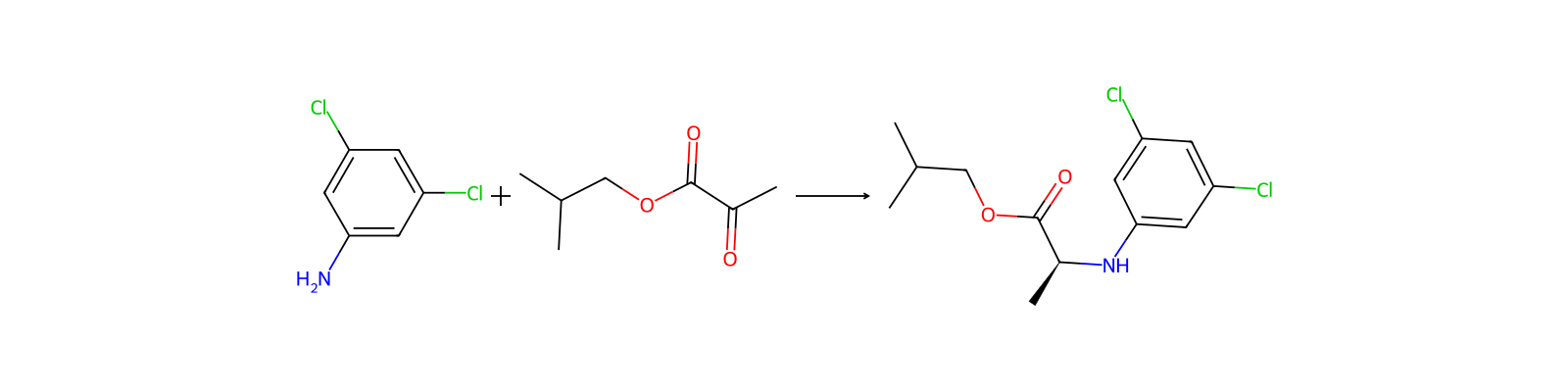

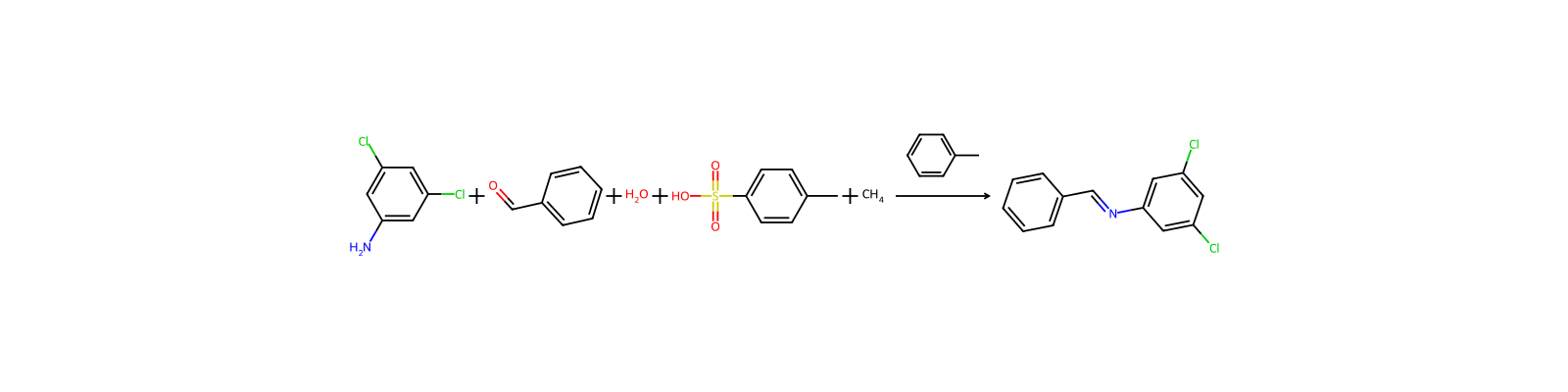
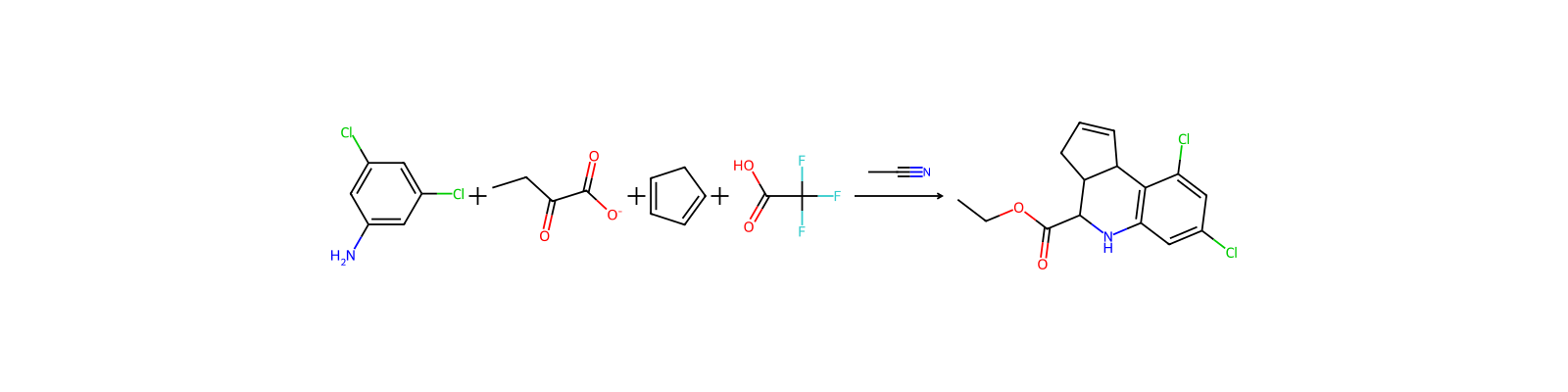
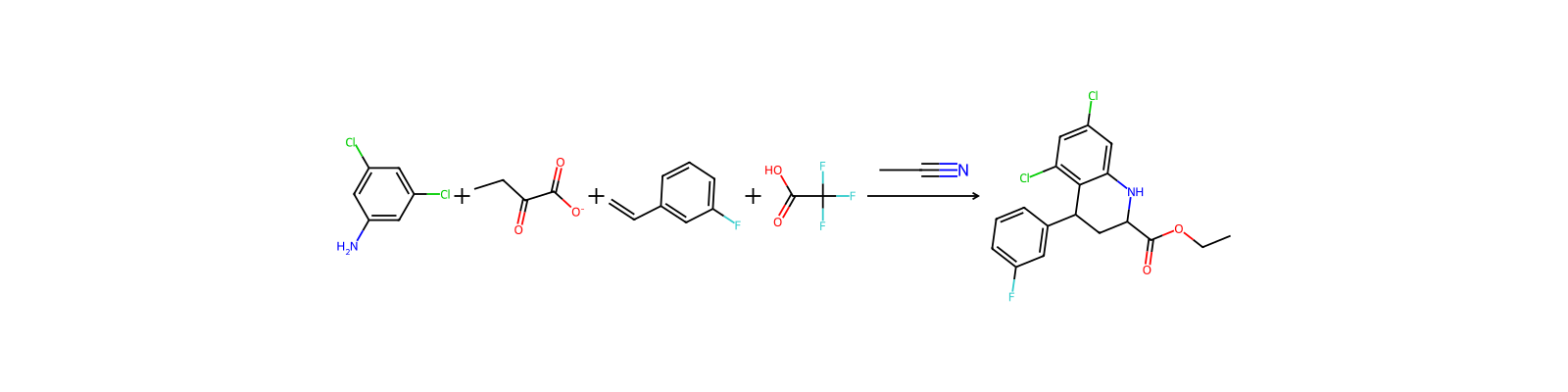
Linked notes
Loading…