
3-Bromopyridine

Basic information
- CAS
626-55-1- Standard SMILES
Brc1cccnc1- InChIKey
NYPYPOZNGOXYSU-UHFFFAOYSA-N- Molecular formula
- C5H4BrN
- Average molar mass
- 158 g/mol
- Monoisotopic mass
- 156.95271
Overview
3-bromopyridine is a monobromopyridine in which the bromo substituent is located at position 3.
Names & identifiers
- Preferred name
- 3-Bromopyridine
- IUPAC
- 3-bromopyridine
- English name
- 3-Pyridyl bromide
- Molecular formula
- C5H4BrN
- Molecular weight
- 158
Names & synonyms
3-BROMOPYRIDINE626-55-13-pyridyl bromidePyridine, 3-bromo-XMN8H2XE9HNSC-3974DTXSID9060819CHEBI:51575RefChem:93265DTXCID1043417210-952-05-bromopyridine
Show more names
3-Pvridyl bromideNSC 3974AURORA KA-8753-bromo-pyridin5-BROMO PYRIDINETIMTEC-BB SBB003998
3-bromo pyridine3-bromo-pyridineMFCD00006373m-bromopyridine3-bromopryidine3-bromopyridin3-Bromopyridine, 99%PYRIDIN-3-YL BROMIDE
Database identifiers
- CAS
626-55-1- PubChem CID
- 12286
- DTXSID
DTXSID9060819- ChEMBL
CHEMBL5396433- ChEBI
CHEBI:51575- UNII
- XMN8H2XE9H
- EC Number
- 210-952-0
- Nikkaji
- J95.608B
Properties
Computed structural properties
- XLogP
- 1.6
- Topological polar surface area
- 12.9 Ų
- Hydrogen bond donors
- 0
- Hydrogen bond acceptors
- 1
- Rotatable bonds
- 0
- Heavy atoms
- 7
- Formal charge
- 0
- Complexity
- 56
Experimental & physicochemical properties
Chemical ClassesNitrogen Compounds -> Pyridines
SpringerMaterials Properties15N nuclear magnetic resonance spectrum
LogP1.5
Flash Point51 °C
Vapor Pressure1.75 [mmHg]
Physical DescriptionNeedles; [Hawley] Colorless liquid; [MSDSonline]
Physicochemical properties
- Melting point
- -27 °C · -27°C
- Boiling point
- 173 °C · 173 °C (lit.)
- Density
- 1.64 g/mL · 1.64 g/mL at 25 °C (lit.)
- vapor pressure
- 1.64 hPa · 1.64hPa at 25℃
- refractive index
- 20 · n20/D 1.571(lit.)
- Flash point
- 125 °F · 125 °F
Safety & regulation
Safety information is for reference only and does not replace the supplier’s Safety Data Sheet (SDS), applicable regulations, or professional assessment.
GHS classification
GHS Classification
Danger
H226 (93.3%): Flammable liquid and vapor [Warning Flammable liquids]
P210, P233, P240, P241, P242, P243, P261, P262, P264, P264+P265, P270, P271, P280, P301+P316, P301+P317, P302+P352, P303+P361+P353, P304+P340, P305+P351+P338, P316, P317, P319, P321, P330, P332+P317, P337+P317, P361+P364, P362+P364, P370+P378, P403+P233, P403+P235, P405, and P501 (click each P-code to see the statement)
Aggregated GHS information provided per 60 reports by companies from 15 notifications to the ECHA C&L Inventory. Each notification may be associated with multiple companies.
Hazard information
Regulatory Information
Chemical: Pyridine, 3-bromo-
REACH registered substance: 3-bromopyridine (EC: 210-952-0)
3-Bromopyridine: Does not have an individual approval but may be used under an appropriate group standard
Hazards SummaryA skin, eye, and respiratory tract irritant; [MSDSonline] Pyridine compounds are potential CNS depressants; [Ullmann] See Pyridine.
Hazard Classes and CategoriesFlam. Liq. 3 (93.3%)
Toxicology
Adverse EffectsNeurotoxin - Other CNS neurotoxin
Safety data
- F
- 8
- PPE
- Eyeshields, Faceshields, Gloves, type ABEK (EN14387) respirator filter
- wgk
- 3
Chemistry & industry
Uses & manufacturing
General Manufacturing InformationPyridine, 3-bromo-: ACTIVE
Applications
Uses3-Bromopyridine undergoes lithiation with LDA at low temperatures in the 4-position: Heterocycles, involved in formation of the Grignard by Mg exchange with i-PrMgCl and in transmetallation of the lithiated derivative with zinc chloride followed by treatment with an electrophile as a route to 4-substituted 3-bromopyridines.
UsesPyridine as novel substrate for regioselective oxygenation with aromatic peroxygenase from Agrocybe aegerita.
Upstream & downstream products
Upstream raw materials
Downstream products
Related reactions
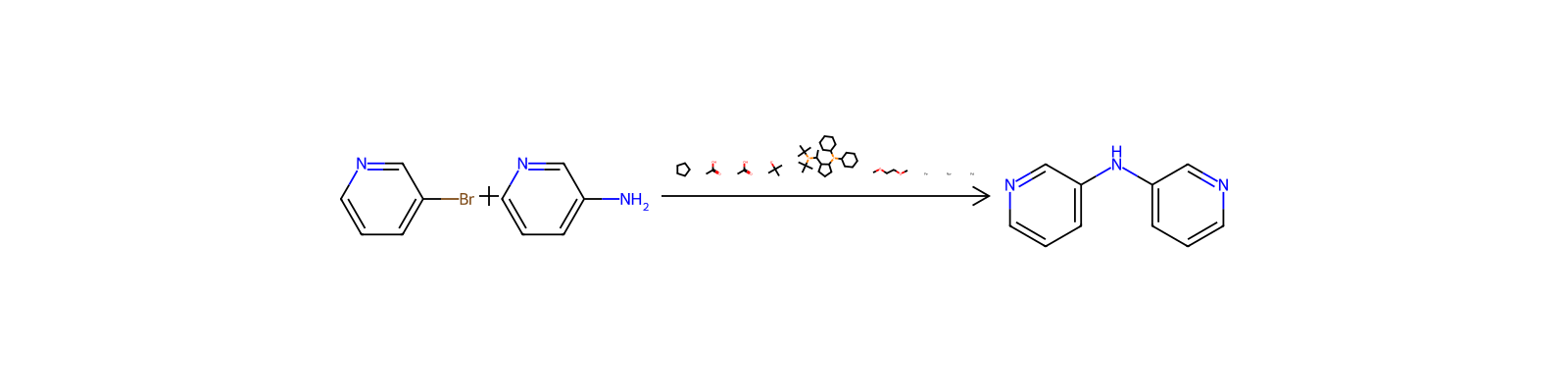
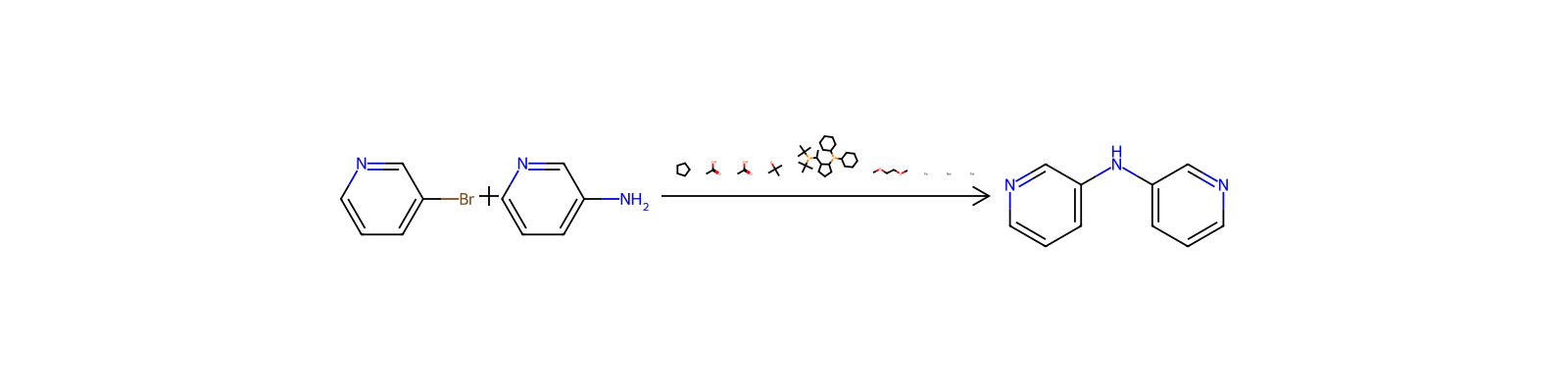
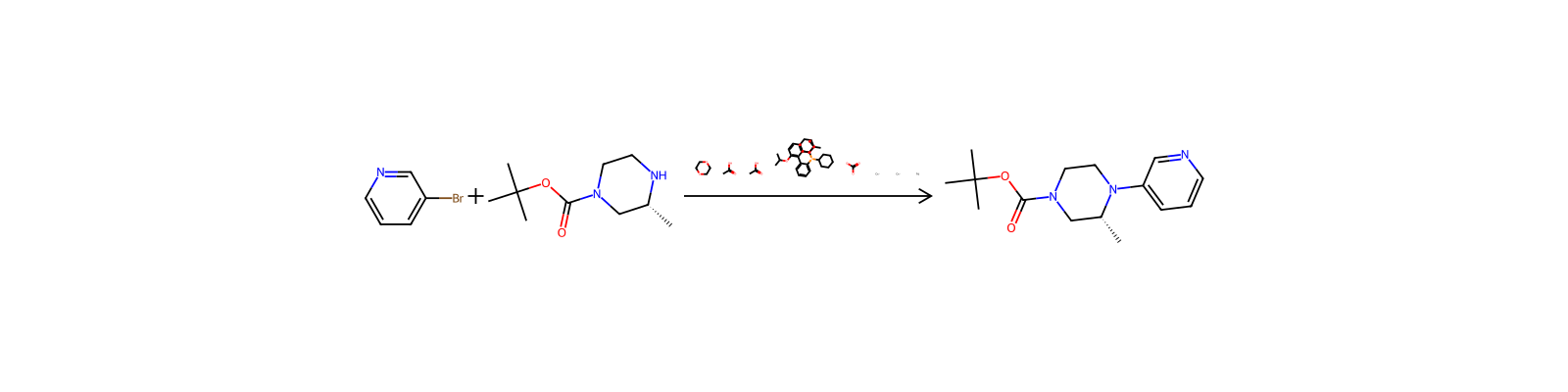
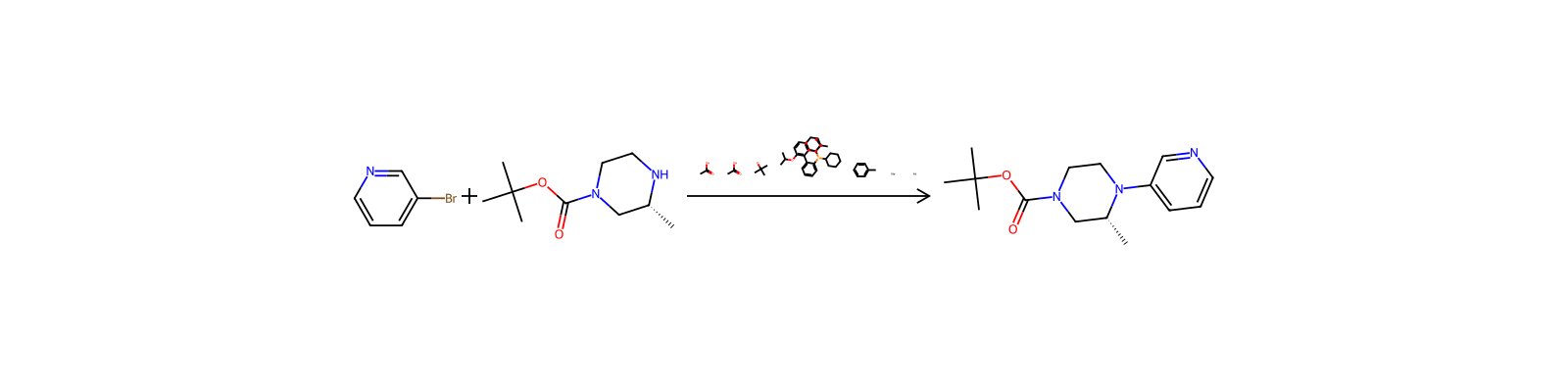
16,861 records



Compound notes
Loading…