Reaction equation

Brc1cccnc1.CC(C)(C)OC(=O)N1CCNCC1>C1COCCO1.CC(=O)O.CC(=O)O.CC(C)(C)[O-].CC(C)Oc1cccc(OC(C)C)c1-c1ccccc1P(C1CCCCC1)C1CCCCC1.[Na+].[Pd]>CC(C)(C)OC(=O)N1CCN(c2cccnc2)CC1Participants
7
Reactant 2


Product 1

Reagents, catalysts & solvents 4


Conditions
- Temperature
- 100 °C
Procedure
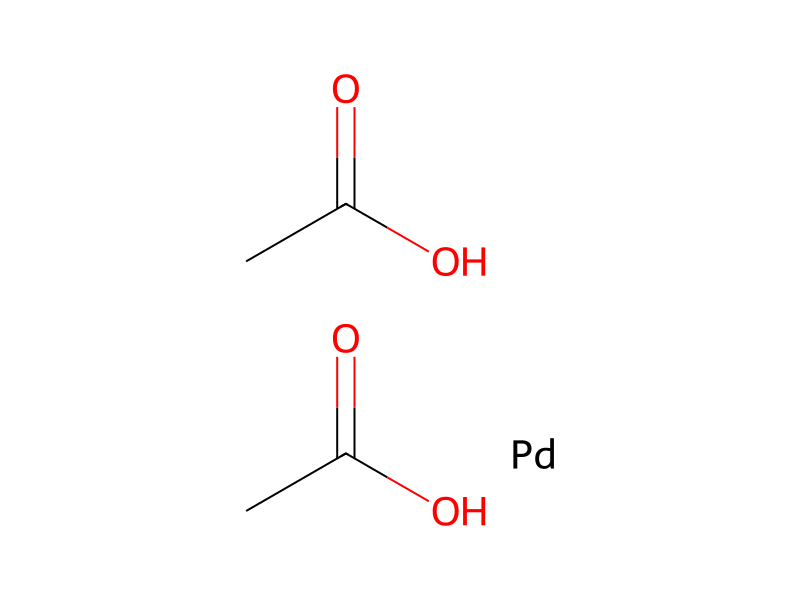
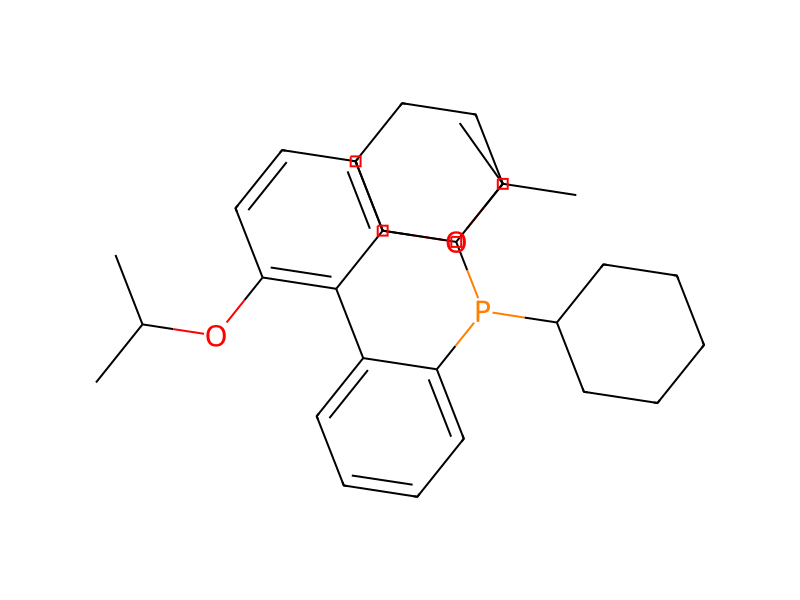
diacetoxypalladium (0.072 g, 0.32 mmol) and RuPhos (0.301 g, 0.64 mmol) were stirred in 1,4-dioxane (11.36 ml) for 10 mins at 50 °C.tert-butyl piperazine-1-carboxylate (0.6 g, 3.22 mmol), 3-bromopyridine (0.310 ml, 3.22 mmol) and sodium tert-butoxide (0.464 g, 4.83 mmol) were added and the reaction mixture was stirred at 100 °C for 64 h. The reaction mixture was filtered through celite. The crude product was purified by flash silica chromatography, elution gradient 20 to 100% EtOAc in heptane. Pure fractions were evaporated to dryness to afford tert-butyl 4-(pyridin-3-yl)piperazine-1-carboxylate (0.322 g, 38.0 %) as a yellow oil which crystallised on standing. This was then combined with EN06111-39-01.
Sources & evidence
- ORD record
- ord-c9d3e32c4ae3434fab0938e5982b9ebd
- Source dataset
- 750 AstraZeneca ELN dataset
- Original link
- View source
Linked notes
Loading…