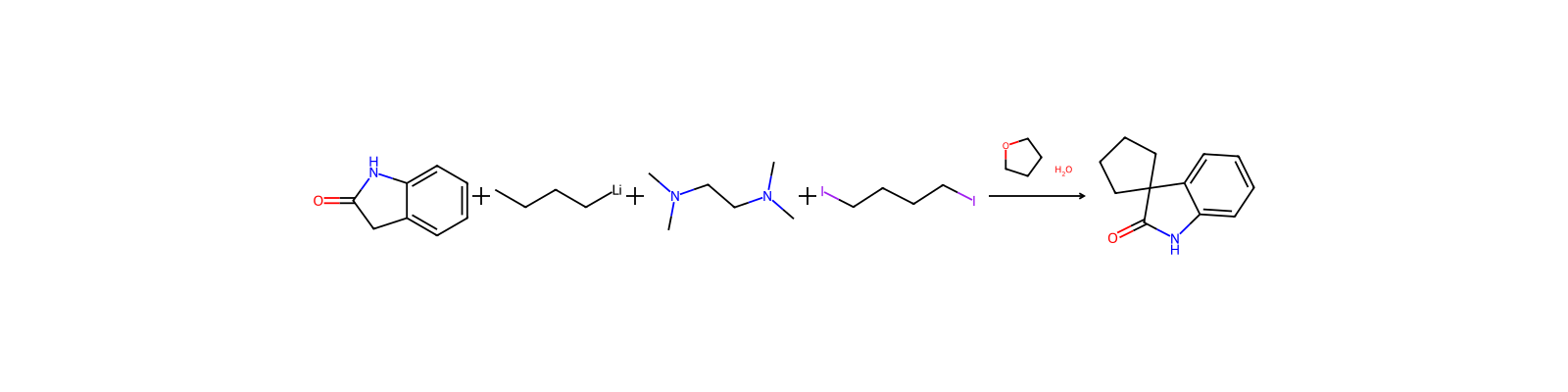
1,4-Diiodobutane
Completing data — refresh the page later to see the latest
Basic information
- CAS
628-21-7- Standard SMILES
ICCCCI- InChIKey
ROUYUBHVBIKMQO-UHFFFAOYSA-N- Molecular formula
- C4H8I2
- Average molar mass
- 309.92 g/mol
- Monoisotopic mass
- 309.87154626
Names & identifiers
- Preferred name
- 1,4-Diiodobutane
- IUPAC
- 1,4-diiodobutane
- English name
- 1,4-Diiodobutane
- Molecular formula
- C4H8I2
- Molecular weight
- 309.92
Names & synonyms
1,4-Diiodobutane628-21-7Tetramethylene iodideBUTANE, 1,4-DIIODO-Tetramethylene diiodideDTXSID5060851RefChem:73277DTXCID6043541211-032-11,4-DiodobutaneMFCD00001099EINECS 211-032-1
Show more names
1,4-Dijodbutan1,4-Diisobutane1,4-diiodo-butanα,ω-DiiodobutaneButane,1,4-diiodo-Tetramethylendijodid1,4-Diiodobutane,98%
NSC 317211,4-diiodo-butaneBRN 1098276C4H8I24-01-00-00276 (Beilstein Handbook Reference)1,4-Diiodobutane (stabilized with Copper chip)1,4-Diodobutane; NSC 31721; Tetramethylene Diiodide; alpha,?-Diiodobutane1,4 diiodobutane
Database identifiers
- CAS
628-21-7- PubChem CID
- 12337
- DTXSID
DTXSID5060851- EC Number
- 211-032-1
- Nikkaji
- J135.083H
Properties
Computed structural propertiesFilling in
- XLogP
- 3.6
- Topological polar surface area
- 0 Ų
- Hydrogen bond donors
- 0
- Hydrogen bond acceptors
- 0
- Rotatable bonds
- 3
- Heavy atoms
- 6
- Formal charge
- 0
- Complexity
- 17.5
Experimental & physicochemical properties
Chemical ClassesOther Classes -> Halogenated Aliphatics, Saturated
SpringerMaterials PropertiesDensity
Physical Descriptionmp = 5.8 deg C; [ChemIDplus] Colorless liquid; [MSDSonline]
Physicochemical properties
- Melting point
- 6 °C · 6 °C (lit.)
- Boiling point
- 147 · 147-152 °C/26 mmHg (lit.)
- Density
- 2.35 g/mL · 2.35 g/mL at 25 °C (lit.)
- refractive index
- 20 · n20/D 1.621(lit.)
- Flash point
- 108 · 108-110°C/10mm
- storage temp.
- Keep in dark place,Inert atmosphere,Room temperature
- form
- Oil
- Specific Gravity
- 2.35 · 2.35
- Appearance
- Colorless to light yellow Liquid
Safety & regulation
Safety information is for reference only and does not replace the supplier’s Safety Data Sheet (SDS), applicable regulations, or professional assessment.
GHS classification
GHS Classification
Warning
H315 (97.8%): Causes skin irritation [Warning Skin corrosion/irritation]
P261, P264, P264+P265, P271, P280, P302+P352, P304+P340, P305+P351+P338, P319, P321, P332+P317, P337+P317, P362+P364, P403+P233, P405, and P501 (click each P-code to see the statement)
Aggregated GHS information provided per 46 reports by companies from 6 notifications to the ECHA C&L Inventory. Each notification may be associated with multiple companies.
Hazard information
Hazards SummaryMay cause irritation; [MSDSonline]
Hazard Classes and CategoriesSkin Irrit. 2 (97.8%)
Safety data
- F
- 8-10
- PPE
- Eyeshields, Gloves, type ABEK (EN14387) respirator filter
- wgk
- 3
- tsca
- TSCA listed
- rtecs
- EJ9200000
- ridadr
- 2810
- hs_code
- 29033080
- risk_code
- 36/37/38
- Signal word
- Warning
- Symbol(GHS)
- GHS07
- hazard_code
- Xi
- safety_code
- 26-37/39
- hazard_class
- 6.1(b)
- Storage Class
- 10 - Combustible liquids
Chemistry & industry
Uses & manufacturing
General Manufacturing InformationButane, 1,4-diiodo-: ACTIVE
Applications
Uses1,4-Diiodobutane is used as an additive to enhance perovskite solar cell performance. It is used as a crosslinking agent for the synthesis of anion exchange membranes from cellulose.
Upstream & downstream products
Upstream raw materials
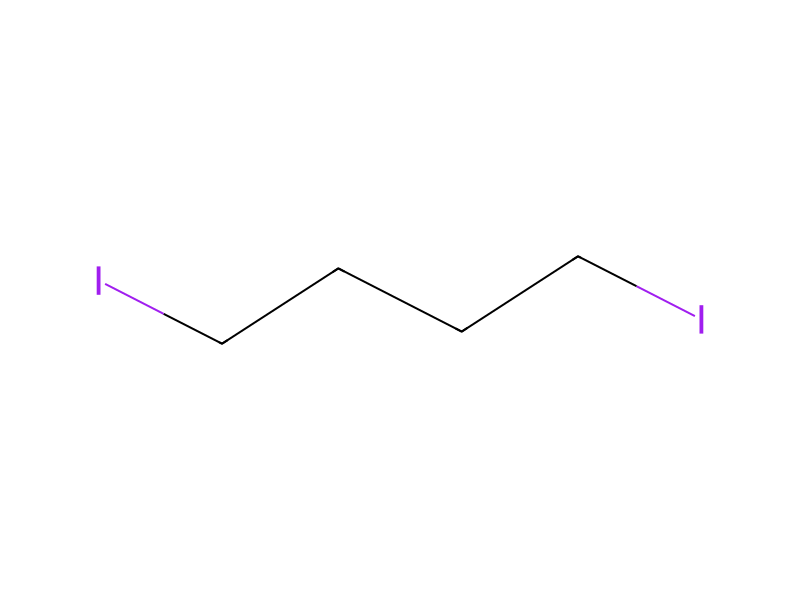
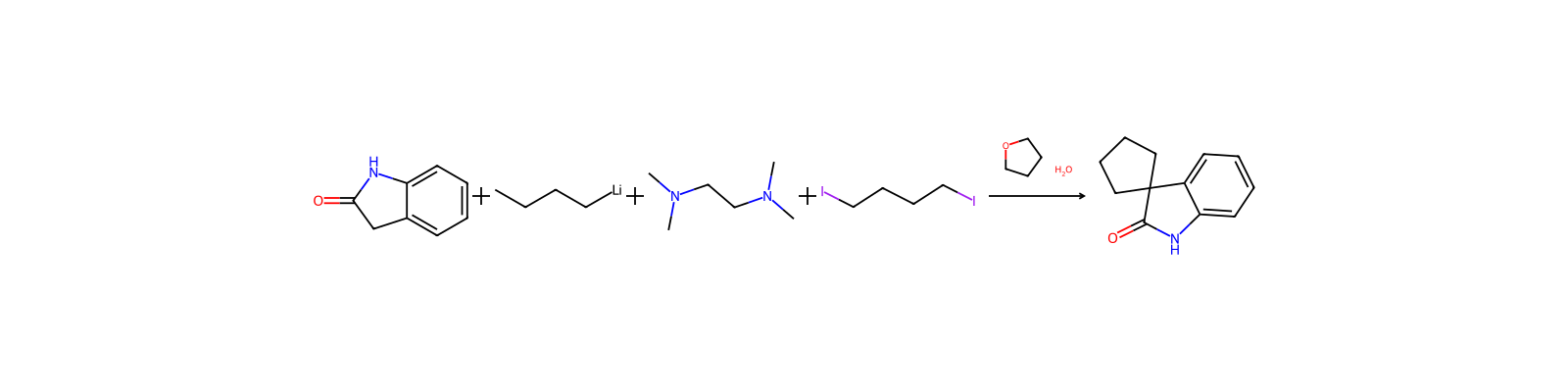
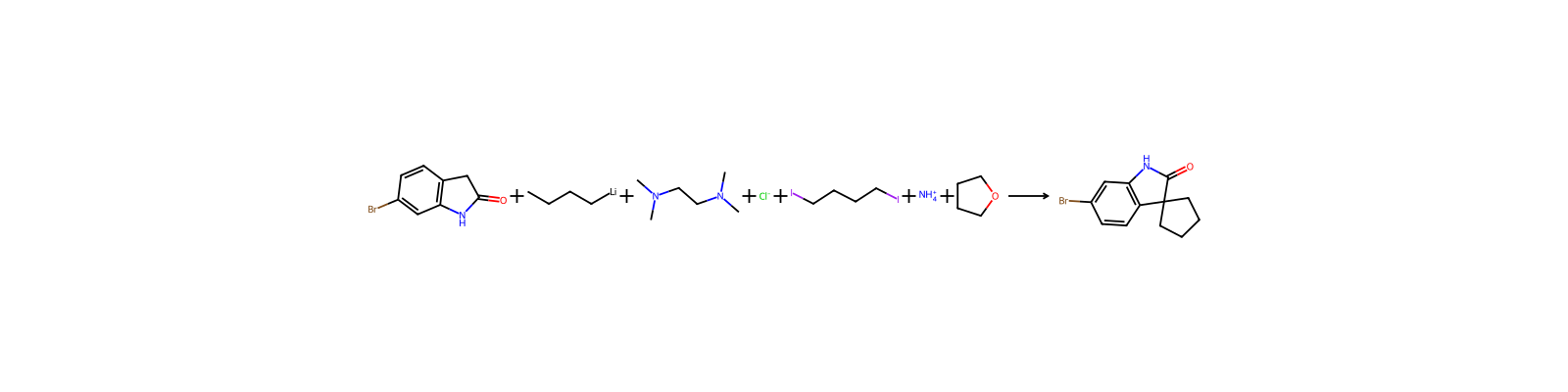
Related reactions
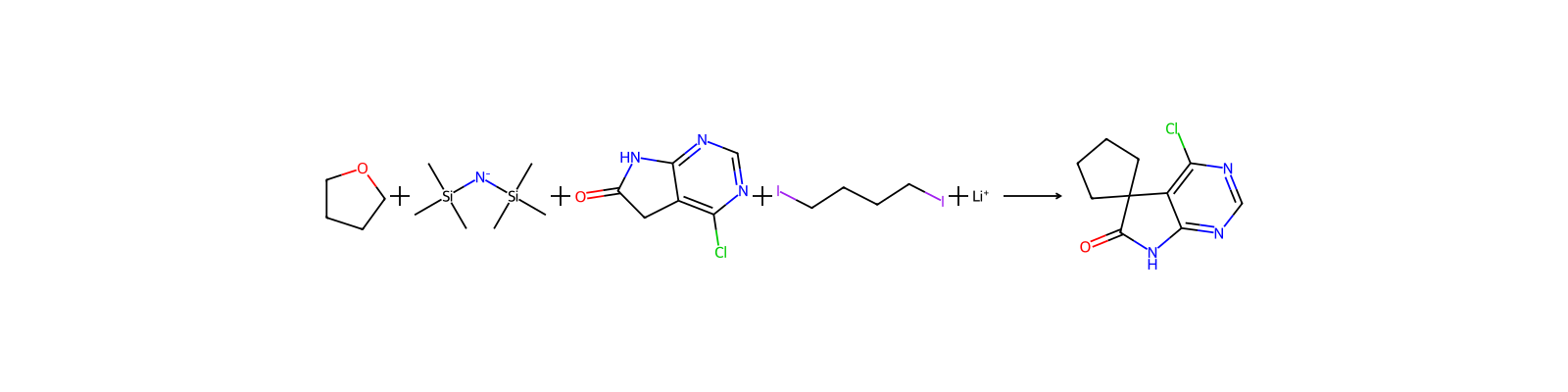
41 records




Compound notes
Loading…