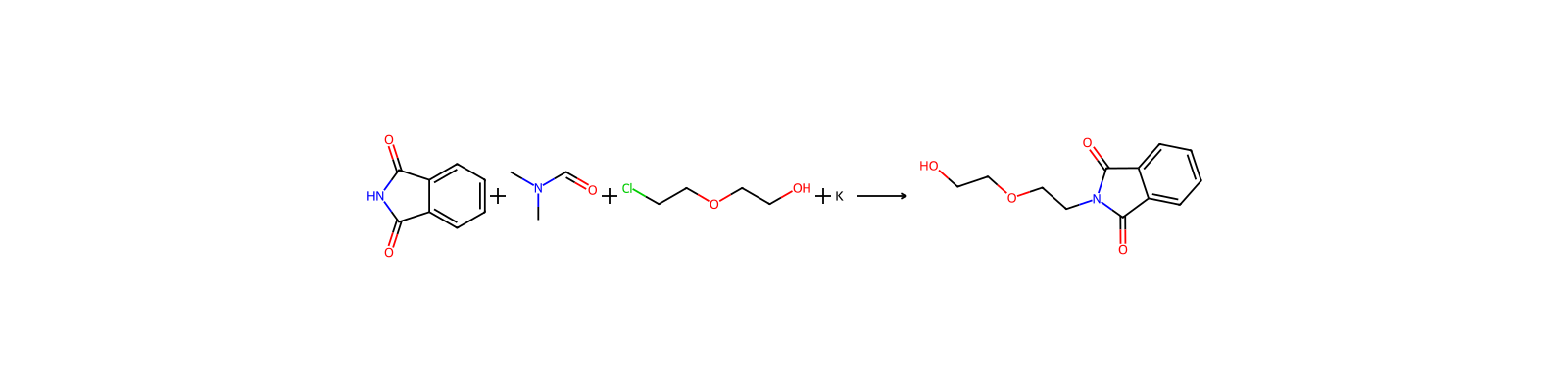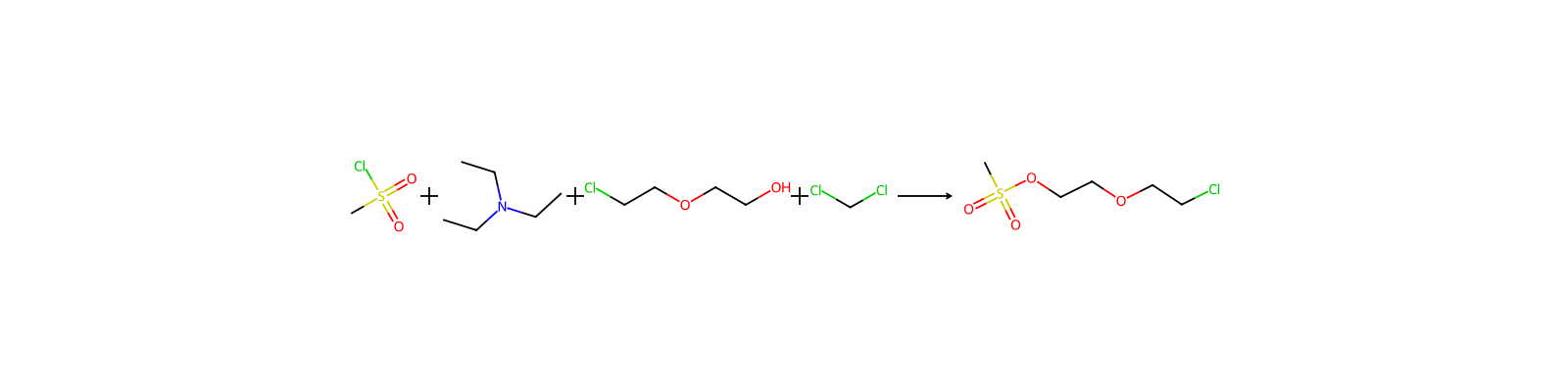
HRID 37050As reactant
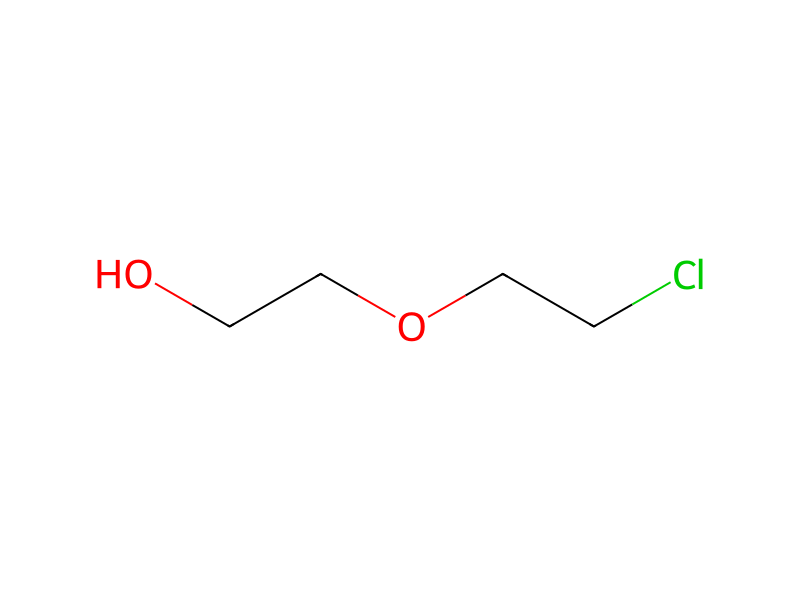
628-89-7OCCOCCClLECMBPWEOVZHKN-UHFFFAOYSA-N628-89-7DTXSID9060861Safety information is for reference only and does not replace the supplier’s Safety Data Sheet (SDS), applicable regulations, or professional assessment.
Danger
H315 (48.1%): Causes skin irritation [Warning Skin corrosion/irritation]
P261, P264, P264+P265, P271, P280, P302+P352, P304+P340, P305+P351+P338, P305+P354+P338, P317, P319, P321, P332+P317, P337+P317, P362+P364, P403+P233, P405, and P501 (click each P-code to see the statement)
Aggregated GHS information provided per 210 reports by companies from 12 notifications to the ECHA C&L Inventory. Each notification may be associated with multiple companies.
REACH registered substance: 2-(2-chloroethoxy)ethanol (EC: 211-059-9)
Ethanol, 2-(2-chloroethoxy)-: Does not have an individual approval but may be used under an appropriate group standard
Uses2-(2-Chloroethoxy)ethanol is a degradation product of Bis(2-Chloroethyl) Ether. 2-(2-Chloroethoxy)ethanol is a potential genotoxic impurity (PGI) in active pharmaceutical ingredients (APIs).
Uses2-(2-Chloroethoxy)ethanol is employed in the preparation of o-nitrophenylbromoacetaldehyde bis-2-(2-chloroethoxy)-ethyl acetal, quetiapine and 2-(2-azidoethoxy)ethanol.
Uses2-(2-Chloroethoxy)ethanol was used in the synthesis of o-nitrophenylbromoacetaldehyde bis-2-(2-chloroethoxy)-ethyl acetal, quetiapine (an antipsychotic drug) and 2-(2-azidoethoxy)ethanol.