Safety information is for reference only and does not replace the supplier’s Safety Data Sheet (SDS), applicable regulations, or professional assessment.
GHS classification
GHS Classification · 4 items
Danger
H314 (11.1%): Causes severe skin burns and eye damage [Danger Skin corrosion/irritation]
P260, P261, P264, P264+P265, P271, P272, P280, P301+P330+P331, P302+P352, P302+P361+P354, P304+P340, P305+P351+P338, P305+P354+P338, P316, P319, P321, P332+P317, P333+P317, P337+P317, P362+P364, P363, P403+P233, P405, and P501 (click each P-code to see the statement)
Aggregated GHS information provided per 54 reports by companies from 12 notifications to the ECHA C&L Inventory. Each notification may be associated with multiple companies.
Isonicotinaldehyde: Does not have an individual approval but may be used under an appropriate group standard
Hazards SummaryA skin and strong eye irritant; May cause skin sensitization; [Alfa Aesar MSDS] See Pyridine-2-carbaldehyde. Search for (872-85-5[EC/RN Number]) AND (allergic OR dermatitis OR sensitizer OR sensitization): no results; [PubMed]
Hazard Classes and CategoriesSkin Corr. 1B (11.1%)
Safety & protection
Protective Action Criteria (PAC) · 3 items
7.1 [mg/m3]
78 [mg/m3]
470 [mg/m3]
Safety data
F
8-10-23
Chemistry & industry
Uses & manufacturing
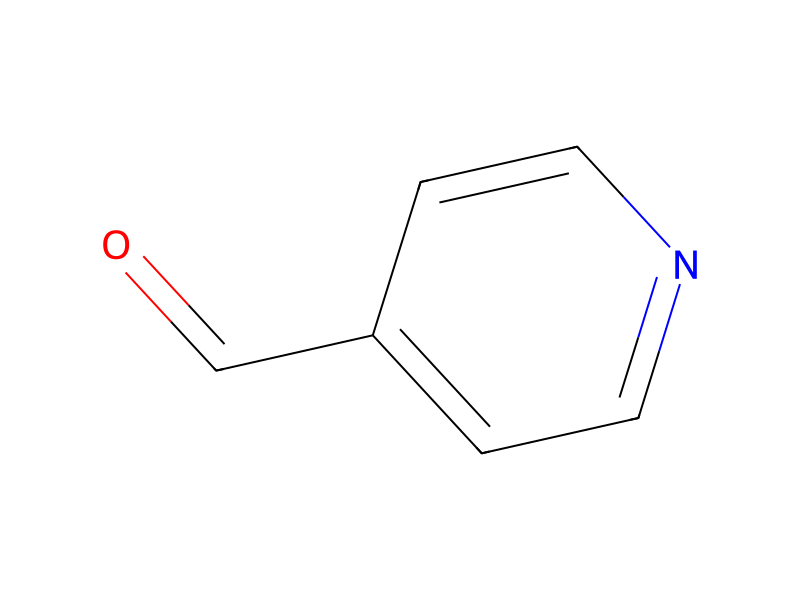
General Manufacturing Information4-Pyridinecarboxaldehyde: ACTIVE
Applications · 3 items
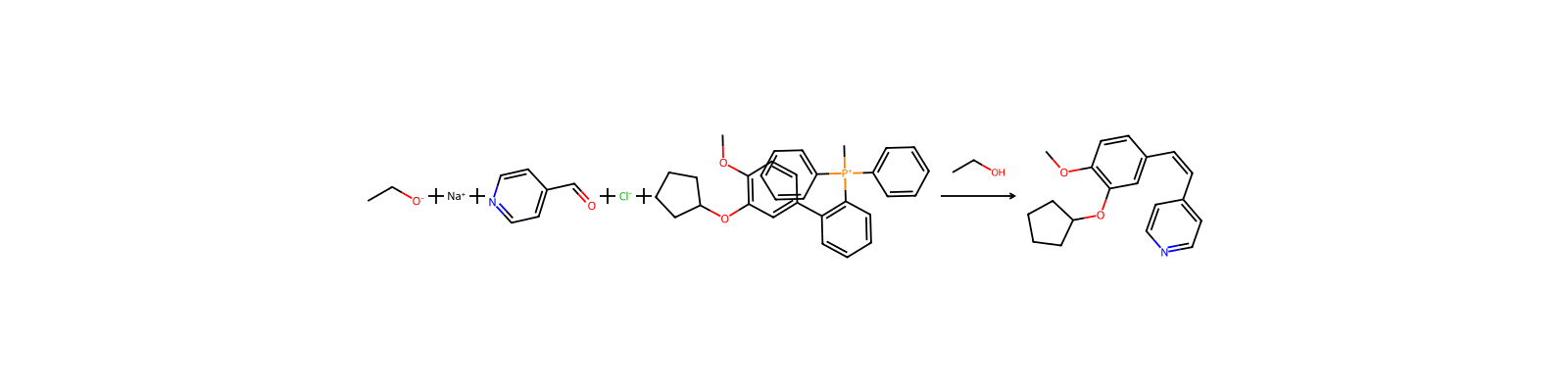
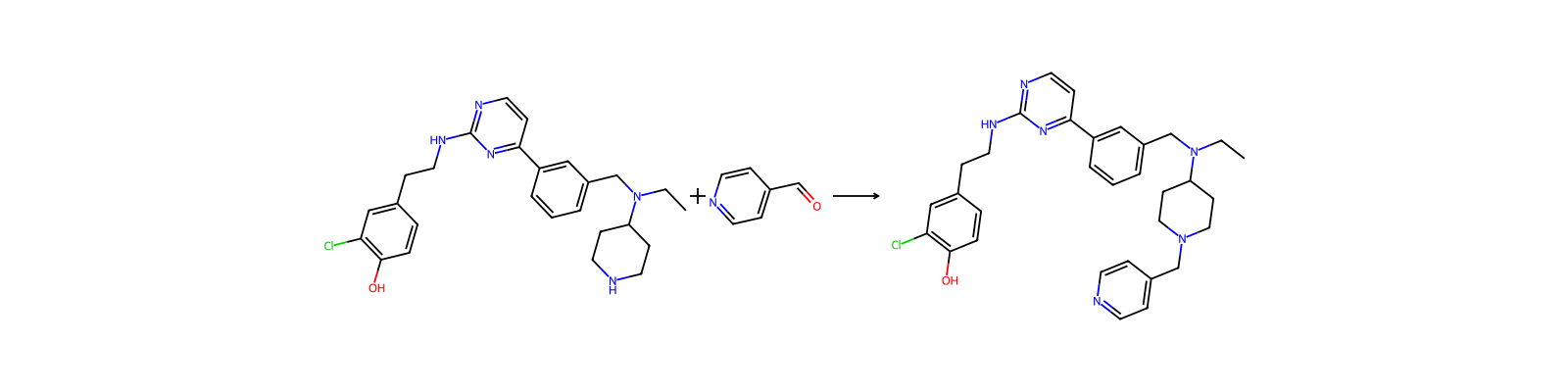
Uses4-Pyridinecarboxaldehyde is an heterocyclic building block used for the synthesis of various pharmaceutical compounds, such as new 1,4-dihydropyridin-4-yl-phenoxyacetohydrazones, having anticonvulsant and anti-inflammatory properties.4-Pyridinecarboxaldehyde and some of its derivatives have also been reported as useful transamination reagents to introduce ketone or aldehyde groups onto the N-termini of antibodies for subsequent site-specifically conjugate aminooxy-functionalized molecules (including fluorescent dyes, polyethylene glycol, or porphyrins) to these entities. 4-Pyridinecarboxaldehyde can be used for the synthesis of: β-Unsaturated amides by coupling with N,N-disubstituted formamides; meso-Substituted A3-corroles; N-(4-pyridylmethyl)-L-valine as a ligand to construct zinc metal–organic frameworks (Zn-MOFs); 4′-Pyridyl terpyridines, with potential application as anticancer and antimicrobial agents; 4-pyridinecarboxaldehyde thiosemicarbazone, as a corrosion inhibitor for mild steel.
Uses4-Pyridinecarboxaldehyde, is an heterocyclic building block used for the synthesis of various pharmaceutical compounds, such as new 1,4-dihydropyridin-4-yl-phenoxyacetohydrazones, having anticonvulsant and anti-inflammatory properties.
Uses4-Pyridinecarboxaldehyde can be used for the synthesis of:γ,β-Unsaturated amides by coupling with N,N-disubstituted formamides.meso-Substituted A3-corroles.N-(4-pyridylmethyl)-L-valine as a ligand to construct zinc metal–organic frameworks (Zn-MOFs).4′-Pyridyl terpyridines, with potential application as anticancer and antimicrobial agents.4-pyridinecarboxaldehyde thiosemicarbazone, as a corrosion inhibitor for mild steel.
Preparation methods
Preparation4-Pyridinecarbaldehyde is synthesized by oxidation of 4-picoline. The mixed gas of 4-picoline and air is passed through the vanadium-molybdenum catalyst layer heated to 400°C, and oxidized to generate 4-pyridinecarbaldehyde.