Reaction equation

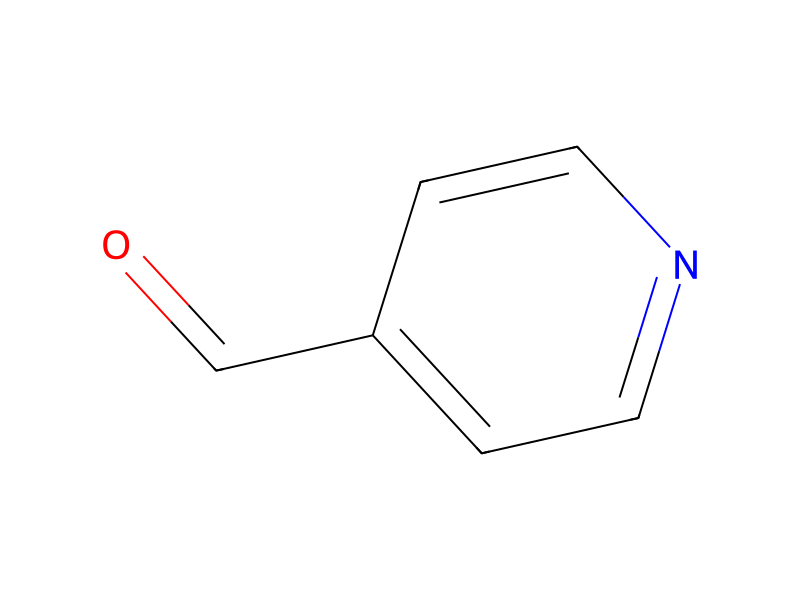
[N:1]1[CH:6]=[CH:5][C:4]([CH:7]=O)=[CH:3][CH:2]=1.[CH2:9]([O:11][C:12]([C:14](=[CH:35][CH:36]=[CH:37][C:38]1[CH:43]=[CH:42][C:41]([CH2:44][CH3:45])=[CH:40][CH:39]=1)[N:15]=P(C1C=CC=CC=1)(C1C=CC=CC=1)C1C=CC=CC=1)=[O:13])[CH3:10]>C(#N)C>[CH2:44]([C:41]1[CH:40]=[CH:39][C:38]([C:37]2[C:7]([C:4]3[CH:3]=[CH:2][N:1]=[CH:6][CH:5]=3)=[N:15][C:14]([C:12]([O:11][CH2:9][CH3:10])=[O:13])=[CH:35][CH:36]=2)=[CH:43][CH:42]=1)[CH3:45]Participants
4



Procedure
Following General Procedure K, 4-pyridinecarboxaldehyde (92 mg, 0.86 mmol) and 3-ethoxycarbonyl-1,1,1-triphenyl-6-(4-ethylphenyl)-2-aza-1λ5-phosphahexa-1,3,5-triene (Compound 46, 434 mg, 0.86 mmol) in dry acetonitrile (10 ml) were reacted to produce the title compound as a yellow solid.
Workup
- customwere reacted
Sources & evidence
- ORD record
- ord-785262fa1aa54b4eaa636014f7b15a5e
- Source dataset
- uspto-grants-2010_06
- Patent number
- US07728014B2
Linked notes
Loading…