Reaction equation

[CH:1](=O)[C:2]1[CH:7]=[CH:6][CH:5]=[CH:4][CH:3]=1.N1C=CC=[C:10]1C=O.[F:16][C:17]1[CH:22]=[CH:21][C:20]([N:23]2[C:32]3[C:27](=[CH:28][C:29]([F:39])=[C:30]([N:33]4[CH2:37][CH2:36][CH:35]([NH2:38])[CH2:34]4)[CH:31]=3)[C:26](=[O:40])[C:25]([C:41]([OH:43])=[O:42])=[CH:24]2)=[CH:19][CH:18]=1>>[F:16][C:17]1[CH:22]=[CH:21][C:20]([N:23]2[C:32]3[C:27](=[CH:28][C:29]([F:39])=[C:30]([N:33]4[CH2:37][CH2:36][CH:35]([N:38]=[CH:1][C:2]5[CH:7]=[CH:6][C:5]([CH3:10])=[CH:4][CH:3]=5)[CH2:34]4)[CH:31]=3)[C:26](=[O:40])[C:25]([C:41]([OH:43])=[O:42])=[CH:24]2)=[CH:19][CH:18]=1Participants
4
Reactant 3

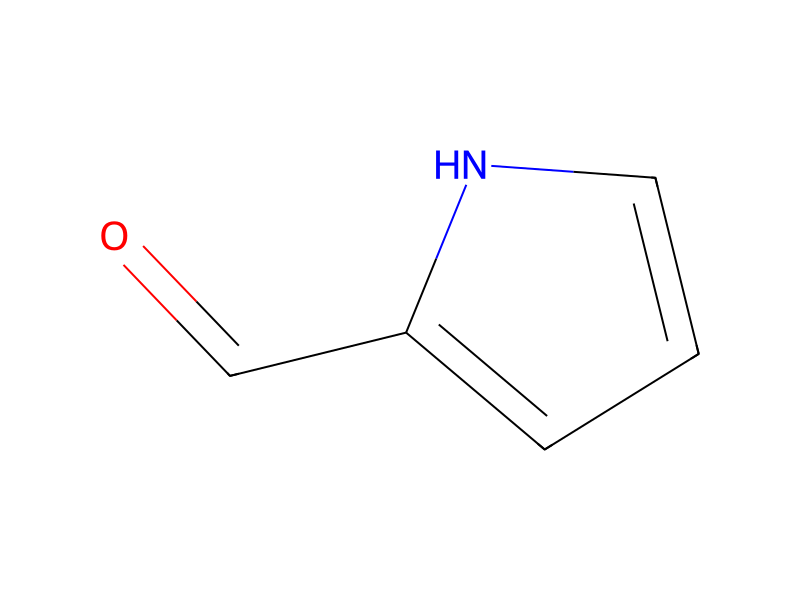

Product 1

Procedure
In the described fashion of Example 1 replacing benzaldehyde with with 2-pyrrolecarboxaldehyde and using the acid (1) (R=cyclopropyl) described in Example 19 one can obtain 1-cyclopropyl-6-fluoro-1,4-dihydro-4-oxo-7-(3-(2-pyrrylidene)amino-1-pyrrolidinyl)-quinoline-3-carboxylic acid (3) (R=cyclopropyl, Z=2-pyrrole).
Sources & evidence
- ORD record
- ord-c8c9b6e13349460dbfe48136a8f7c85d
- Source dataset
- uspto-grants-1988_08
- Patent number
- US04762845
Linked notes
Loading…