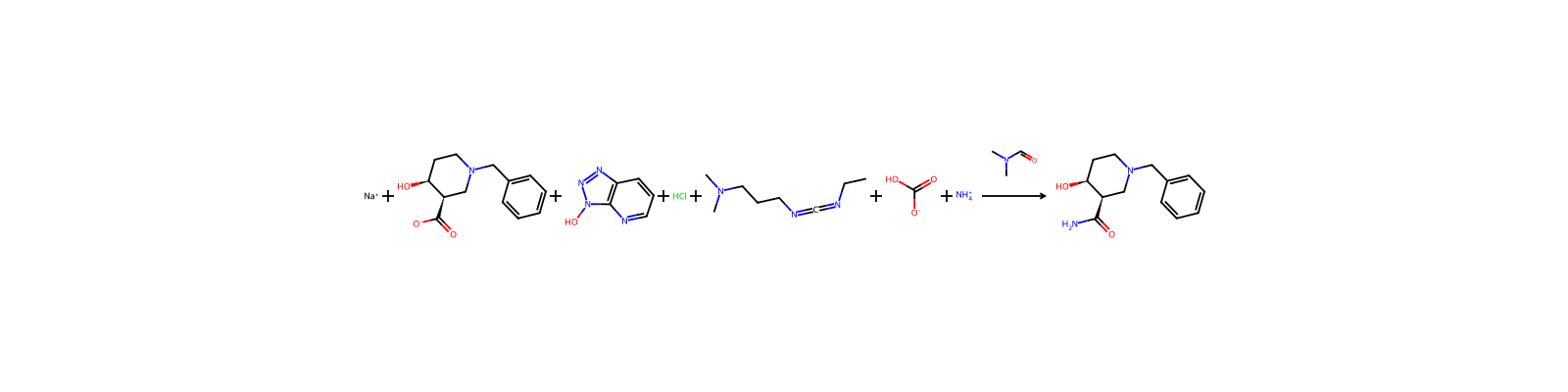
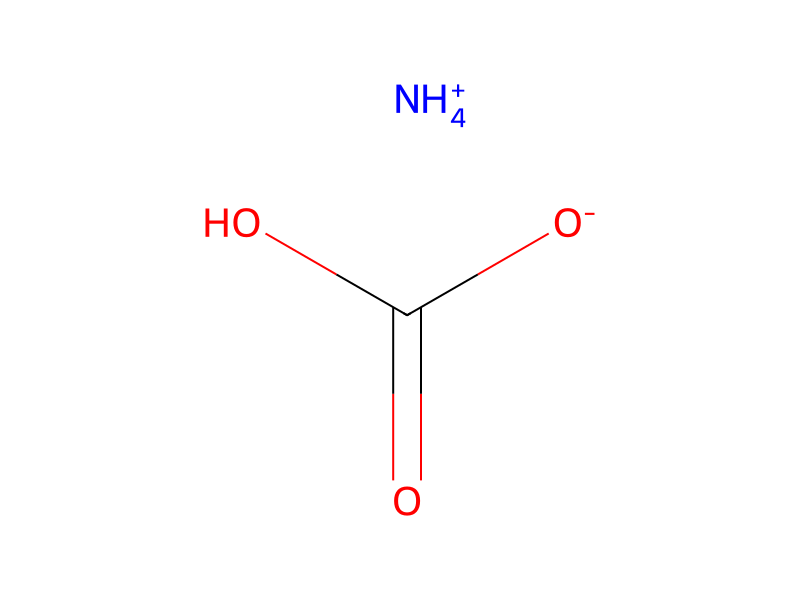
Basic information
- Standard SMILES
O=C([O-])O.[NH4+]- InChIKey
ATRRKUHOCOJYRX-UHFFFAOYSA-N- Molecular formula
- CH2O3.H3N
- Average molar mass
- 79.056 g/mol
- Monoisotopic mass
- 79.02694302
Overview
Ammonium bicarbonate appears as a white crystalline solid having the odor of ammonia. Soluble in water. The primary hazard is the threat to the environment. Immediate steps should be taken to limit spread to the environment. Used to make other ammonium compounds, in food processing, and for other uses.
Names & identifiers
- Preferred name
- Ammonium Bicarbonate
- IUPAC
- azanium hydrogen carbonate
- English name
- Ammonium bicarbonate
- Molecular formula
- CH5NO3
- Molecular weight
- 79.06
Names & synonyms
AMMONIUM BICARBONATE1066-33-7Ammonium hydrogencarbonateAmmonium hydrogen carbonateMonoammonium carbonateCarbonic acid, monoammonium saltAcid ammonium carbonateAmmonium acid carbonateAmmonium hydrogencarbonatAmmonium bicarbonate (1:1)Carbonic acid, ammonium salt (1:1)45JP4345C9
Show more names
NH4HCO3acidammoniumcarbonateAmmonium dicarbonateCarbonic acid, ammonia saltKH2PO412,6'-TDI, OekanalAmmonium Hydrogenammonium bicarbonat
DTXSID5035618RefChem:5547DTXCID3015618213-911-5azanium;hydrogen carbonateMFCD00012138CH5NO3ammoniumbicarbonate
Database identifiers
- CAS
1066-33-7、506-87-6- PubChem CID
- 14013
- DTXSID
DTXSID5035618- ChEBI
CHEBI:184335- UNII
- 45JP4345C9
- EC Number
- 213-911-5
Properties
Computed structural properties
- Topological polar surface area
- 61.4 Ų
- Hydrogen bond donors
- 2
- Hydrogen bond acceptors
- 3
- Rotatable bonds
- 0
- Heavy atoms
- 5
- Formal charge
- 0
- Complexity
- 24.8
Experimental & physicochemical properties
Chemical ClassesNitrogen Compounds -> Ammonium Compounds
Cosmetics
Cosmetic ingredients (Ammonium Bicarbonate) -> CIR (Cosmetic Ingredient Review)
Buffering
pH
About 8,0 (5 % solution)
pH of 0.1N solution in water at 25 °C = 7.8
OdorFaint odor of ammonia
Food AdditivesDOUGH STRENGTHENER, LEAVENING AGENT, PH CONTROL AGENT, TEXTURIZER -> FDA Substance added to food
Density
1.57 at 68 °F (USCG, 1999) - Denser than water; will sink
1.586 g/cu cm
1.58 g/cm³
1.586 @25 °C
Color/Form
Colorless or white crystals
Shiny, hard, colorless or white prisms or crystalline mass
Solubility
Freely soluble in water. Insoluble in ethanol
Insoluble in alcohol, acetone ... One gram dissolves in 10 mL glycerol (pharmaceutical grade)
Insoluble in ethanol, benzene
24.8 g/100 g water at 25 °C
In water: 14% at 10 °C; 17.4% at 20 °C; 21.3% at 30 °C. Decomposed by hot water.
Solubility in water, g/100ml at 20 °C: 17.4 (good)
Decomposition
Decomposes above 34 °C with formation of ammonia gas.
Decomposition by hot water.
Volatile with decomposition at 60 °C.
When heated to decomp ... emits toxic fumes of /nitrogen oxides and ammonia./
35-60 °C
Melting Point
95 °F (USCG, 1999)
107 °C (decomposes)
Decomposes below its melting point, dissociating into ammonia, carbon dioxide and water.
36 °C
Vapor Pressure
58.9 [mmHg]
7.85 kPa (58.9 mm Hg) at 25.4 °C
Refractive IndexINDEX OF REFRACTION: 1.423, 1.536, 1.555
Physicochemical properties
- Melting point
- 105 °C · 105 °C
- Boiling point
- 143.04 °C · 143.04°C (rough estimate)
- Density
- 1 · 1,586 g/cm3
- vapor density
- 2.7 · 2.7 (vs air)
- vapor pressure
- 67 hPa · 67 hPa (20 °C)
- refractive index
- 1.4164 · 1.4164 (estimate)
- storage temp.
- 2 · 2-8°C
- solubility
- 2 O: · H2O: 1 M at 20 °C, clear, colorless
- form
- Solid
- color
- White
- PH
- 7 · 7.0-8.5 (25℃, 1M in H2O)
- Odor
- faint ammonia odor
- Water Solubility
- 220 g/L · 220 g/L (20 ºC)
- λmax
- 260 nm · λ: 260 nm Amax: ≤0.030λ: 280 nm Amax: ≤0.020
- Merck
- 14 · 14,497
- BRN
- 4329606 · 4329606
- Stability
- Stable. Incompatible with strong acids, alkali metals.
- Cosmetics Ingredients Functions
- BUFFERING
- Cosmetic Ingredient Review (CIR)
- Ammonium bicarbonate (1066-33-7)
- InChI
- 1S/CH2O3.H3N/c2-1(3)4;/h(H2,2,3,4);1H3
- InChIKey
- ATRRKUHOCOJYRX-UHFFFAOYSA-N
- SMILES
- N.OC(O)=O
- LogP
- -0.809 · -0.809 (est)
- Dissociation constant
- 6.49 at · 6.49 at 20℃
- SCOGS (Select Committee on GRAS Substances)
- Ammonium bicarbonate
- Substances Added to Food (formerly EAFUS)
- AMMONIUM BICARBONATE
- FDA 21 CFR
- 184.1135 · 184.1135; 582.1135
- CAS DataBase Reference
- 1066 · 1066-33-7(CAS DataBase Reference)
- EWG's Food Scores
- 2 · 2
- FDA UNII
- 45 JP4345C9 · 45JP4345C9
- EPA Substance Registry System
- Ammonium bicarbonate (1066-33-7)
- UNSPSC Code
- 12352301 · 12352301
- NACRES
- 3 · NC.03
- Symbol(GHS)
- 7 · GHS07
- Signal word
- Warning
- Hazard statements
- 302 · H302
- Precautionary statements
- 264 · P264-P270-P301+P312-P501
- PPE
- 95 · dust mask type N95 (US), Eyeshields, Gloves
- Hazard Codes
- Xn,Xi
- Risk Statements
- 22 · 22-36/37/38
- Safety Statements
- 22 · 22
- RIDADR
- 3077 · UN3077
- WGK Germany
- 1 · 1
- RTECS
- 8600000 · BO8600000
- TSCA
- TSCA listed
- HS Code
- 2836 · 2836 99 17
- HazardClass
- 9 · 9
- Storage Class
- 13 · 13 - Non Combustible Solids
- Hazard Classifications
- 4 Oral · Acute Tox. 4 Oral
- Hazardous Substances Data
- 1066 · 1066-33-7(Hazardous Substances Data)
- Toxicity
- 50 orally · LD50 orally in Rabbit: 1576 mg/kg
- REACH Registrations
- Active
- Limited Quantities
- 5 kg · 5.0 kg (11 lbs) (solid)
- Excepted Quantities
- Max Inner Pack (30g or 30ml) and Max Outer Pack (1Kg or 1L)
Safety & regulation
GHS classification
GHS Classification
This chemical does not meet GHS hazard criteria for 1.6% (8 of 514) of reports.
Warning
H302 (98.4%): Harmful if swallowed [Warning Acute toxicity, oral]
P264, P270, P273, P301+P317, P330, and P501 (click each P-code to see the statement)
Aggregated GHS information provided per 514 reports by companies from 10 notifications to the ECHA C&L Inventory. Each notification may be associated with multiple companies.
Hazard information
Regulatory Information
Chemical: Carbonic acid, monoammonium salt
Carbonic acid, ammonium salt (1:1) is listed on the EPA's Chemical Data Reporting (CDR) system. Manufacturers and importers of Carbonic acid, ammonium salt (1:1) are required to report information about their production and use of this chemical to the EPA under the Toxic Substances Control Act (TSCA). (40 eCFR Part 711)
Status: Active Update: 20-01-2021 https://echa.europa.eu/registration-dossier/-/registered-dossier/14575
Ammonium bicarbonate: Does not have an individual approval but may be used under an appropriate group standard
The New Jersey Worker and Community Right to Know Act requires public and private employers to provide information about hazardous substances at their workplaces. (N.J.S.A. 34:5A-1 et. seq.)
Other Safety InformationIMAP assessments - Carbonic acid, monoammonium salt: Environment tier I assessment
DOT LabelClass 9
Fire Hazards
Special Hazards of Combustion Products: Irritating and toxic ammonia gas may form in fires.
Not combustible. Gives off irritating or toxic fumes (or gases) in a fire.
Fire PotentialAmmonium bicarbonate may burn, but does not readily ignite.
Health HazardsInhalation may cause respiratory irritation. Ingestion could be harmful. Contact with eyes or skin causes irritation. (USCG, 1999)
Hazards SummaryA skin, eye, and respiratory tract irritant; Emergency treatment: Ammonia; [HSDB] Decomposes on warming above 35 deg C producing ammonia fumes; An eye and respiratory tract irritant; [CAMEO] May cause irritation; [MSDSonline] See Ammonia.
FDA Requirements
Substance added directly to human food affirmed as generally recognized as safe (GRAS).
Ammonium bicarbonate used as a general purpose food additive in animal drugs, feeds, and related products is generally recognized as safe when used in accordance with good manufacturing or feeding practice.
Reactive GroupSalts, Basic
Special Reports
European Chemicals Bureau; IUCLID Dataset for Ammonium hydrogencarbonate (1066-33-7) 26 p.(2000) contains information on use, toxicology, and environmental effects of this chemical as supplied to the European Union by industry.[Available from, as of February 24, 2011: http://esis.jrc.ec.europa.eu/]
EPA Safer ChemicalChemical: Ammonium bicarbonate
FIFRA Requirements
Residues of ammonium bicarbonate are exempted from the requirement of a tolerance when used in accordance with good agricultural practice as inert (or occasionally active) ingredients in pesticide formulations applied to growing crops or to raw agricultural commodities after harvest. Use: surfactant, suspending agent, dispersing agent. Limit: none.
An exemption from the requirement of tolerance is established for residues of ammonium bicarbonate used in or on all food commodities when used in accordance with good agricultural practices.
Safety & protection
Fire Fighting
Excerpt from ERG Guide 171 [Substances (Low to Moderate Hazard)]:
In case of fire in the surroundings, use appropriate extinguishing media.
First Aid Measures
Fresh air, rest.
Rinse skin with plenty of water or shower.
First rinse with plenty of water for several minutes (remove contact lenses if easily possible), then refer for medical attention.
Rinse mouth.
First AidConsult physician in case of ingestion or severe irritation.
Safe StorageSeparated from strong oxidants, strong bases and acids. Cool.
Fire Fighting Procedures
If material involved in fire: Extinguish fire using agent suitable for type of surrounding fire (material itself does not burn or burns with difficulty).
Use dry chemical, carbon dioxide; water spray; or alcohol foam extinguishers. Poisonous gases are produced in fire, including ammonia gas and nitrogen oxides. If material or contaminated runoff enters waterways, notify downstream users of potentially contaminated waters. Notify local health and fire officials and pollution control agencies. From a secure, explosion-proof location, use water spray to cool exposed containers. If cooling streams are ineffective (venting sound increases in volume and pitch, tank discolors or shows any signs of deforming), withdraw immediately to a secure position. ... The only respirators recommended for fire fighting are self-contained breathing apparatuses that have full face-pieces and are operated in a pressure-demand or other positive-pressure mode.
Storage Conditions
Store below 33 °C
Store in tightly closed containers in a cool, well-ventilated area away from caustics (such as sodium hydroxide or potassium hydroxide), because ammonia gas is released.
Cleanup Methods
Environmental considerations: Water spill: Neutralize with dilute acid.
Environmental considerations: Land spill: Dig a pit, pond, lagoon, holding area to contain liquid or solid material. /SRP: If time permits, pits, ponds, lagoons, soak holes, or holding areas should be sealed with an impermeable flexible membrane liner./ Cover solids with a plastic sheet to prevent dissolving in rain or fire fighting water.
Spill handling: evacuate persons not wearing protective equipment from area of spill or leak until clean-up is complete. Remove all ignition sources. Collect powdered material in the most convenient and safe manner and deposit in sealed containers. Ventilate area after clean-up is complete. It may be necessary to contain and dispose of this chemical as a hazardous waste. If material or contaminated runoff enters waterways, notify downstream users of potentially contaminated waters. Contact your Department of Environmental Protection or your regional office of the federal EPA for specific recommendations.
Nonfire Spill ResponseExcerpt from ERG Guide 171 [Substances (Low to Moderate Hazard)]:
Disposal Methods
SRP: The most favorable course of action is to use an alternative chemical product with less inherent propensity for occupational harm/injury/toxicity or environmental contamination. Recycle any unused portion of the material for its approved use or return it to the manufacturer or supplier. Ultimate disposal of the chemical must consider: the material's impact on air quality; potential migration in soil or water; effects on animal and plant life; and conformance with environmental and public health regulations.
May be buried in a chemical waste landfill. If neutralized ammonium bicarbonate is amendable to treatment at a municipal sewage treatment plant.
Spillage Disposal
Personal protection: filter respirator for ammonia and organic ammonia derivatives in conjunction with particulate filter adapted to the airborne concentration of the substance. Sweep spilled substance into covered containers. If appropriate, moisten first to prevent dusting. Wash away remainder with plenty of water.
Preventive Measures
Personnel protection: Keep upwind. ... Avoid breathing vapors or dusts. ... Wash away any material which may have contacted the body with copious amounts of water or soap and water.
If material not involved in fire: Keep material out of water sources and sewers. Build dikes to contain flow as necessary.
Enclose operations and use local exhaust ventilation at the site of chemical release.
Employees should wash immediately with soap when skin is wet or contaminated. Provide emergency showers and eyewash.
For more Preventive Measures (Complete) data for AMMONIUM BICARBONATE (9 total), please visit the HSDB record page.
Isolation and EvacuationExcerpt from ERG Guide 171 [Substances (Low to Moderate Hazard)]:
Toxicology
Ecotoxicity Values
LC50; Species: Oncorhynchus mykiss (Rainbow Trout, weight 1.8 g, length 5.8 cm); Conditions: freshwater, flow through, 13.6 °C (13.2-13.8 °C), pH 8.12 (7.92-8.24), hardness 184 mg/L CaCO3 (178-190 mg/L CaCO3), alkalinity 172 mg/L CaCO3 (159-262 mg/L CaCO3), dissolved oxygen 9.0 mg/L (8.4-9.5 mg/L); Concentration: 17300 ug/L for 96 hr (95% confidence interval: 16100-18700 ug/L) /technical/
LC50; Species: Oncorhynchus mykiss (Rainbow Trout, weight 1.8 g, length 5.8 cm); Conditions: freshwater, flow through, 13.9 °C (13.4-14.4 °C), pH 8.10 (7.94-8.27), hardness 184 mg/L CaCO3 (178-190 mg/L CaCO3), alkalinity 172 mg/L CaCO3 (159-262 mg/L CaCO3), dissolved oxygen 9.0 mg/L (8.4-9.5 mg/L); Concentration: 18100 ug/L for 96 hr (95% confidence interval: 16800-19600 ug/L) /technical/
Exposure RoutesThe substance can be absorbed into the body by inhalation of its aerosol.
Toxicity Summary
The CIR Expert Panel concluded that the following 6 carbonate salts are safe in the present practices of use and concentration, as described in this safety assessment, when formulated to be non-irritating...Ammonium Bicarbonate...
Safe for use in cosmetics, with qualifications
Ecotoxicity Excerpts
/AQUATIC SPECIES/ Seventy one toxicity tests were carried out on rainbow trout ranging in size from sac fry (<0.1g) to 4 year old adults (2.6 kg), in water of uniform chemical composition. Fish susceptibility to NH3 decreased with increasing weight over the range 0.06-2.0 g, but gradually increased above that weight range. LC50 values for 12- and 35-day exposures did not differ greatly from 96-hour values of 0.16-1.1 mg/L. No statisticaly significant differences in results were observed when different ammonium salts (NH4Cl, NH4HCO3, (NH4)2HPO4, (NH4)2SO4) were used.
/AQUATIC SPECIES/ Acute ammonia toxicity in rainbow trout was studied by intraarterial injection of ammonium chloride & ammonium bicarbonate. Ammonium bicarbonate incr arterial blood pH, & ammonium chloride decr arterial blood pH, but the same dose of each was required to kill.
/AQUATIC SPECIES/ The effects of /ammonium bicarbonate/ on the early stages of development of Atlantic salmon were studied. The first set of studies, at 13 °C, lasted 53 days and was carried out within the range 0.001 to >6.6 mg NH3/L beginning with the "formed embryo" stage. Accelerated hatching was observed with increasing ammonium carbonate concentrations, but concentrations >0.16 mg NH3/L were lethal for emerging larvae within 12-36 hours. Growth inhibition was observed at 0.07 mg NH3/L. Tissue changes were observed in eyes, brain, fins, and blood of embryos and larvae exposed to concentrations ranging from 0.16 to 6.6 mg NH3/L with more marked changes at higher ammonia concentrations. Reaction to light and mechanical stimulation gradually disappeared with increased ammonia concentration, and the heart rate slowed. Morphological differences in development between experimental and control larvae were observed since 10th day of exposure. At concentrations up to 0.07 mg NH3/L, no significant morphological differences were observed.
/OTHER TERRESTRIAL SPECIES/ The effect of endogenous ammonia produced in dead fish or ammonia in ammonium bicarbonate solutions was evaluated on the viability of Clonorchis sinensis metacercariae. Viability was determined by worm recovery in rats infected with metacercariae exposed to ammonia in decaying fish or in vitro solutions. The recovery rates were 58%, 48%, 44% and 2% in fish that had been allowed to decay for 5, 10, 20 and 30 days at 4 degrees C, respectively, and this rate ( Y) was inversely correlated with the ammonia concentration ( X) in fish muscle extract ( Y=80.62-0.0667 X, r(2)=0.905, P=0.049). C. sinensis metacercariae barely survived in ammonia solutions with concentrations exceeding 1 g N/L.
Signs and Symptoms
Cough. Sore throat.
Redness. Pain.
Human Toxicity Excerpts
/SIGNS AND SYMPTOMS/ Large doses of ammonium bicarbonate can produce nausea and vomiting.
/SIGNS AND SYMPTOMS/ Worker exposure. Ingestion may cause adverse effects. Inhalation of dust may cause irritation of respiratory tract. Eye and skin contact may cause irritation.
Non-Human Toxicity Excerpts
/LABORATORY ANIMALS: Acute Exposure/ The biochemical aspects of ammonia intoxication have been studied by intraperitoneal injection to rats of 12 ammonium salts including ammonium bicarbonate. The dose of 10.6 mmole NH4-N per kg was lethal for all salts tested. The various times for the manifestation of the comatose state were related to the speed with which ammonia crossed the blood-brain barrier.
/LABORATORY ANIMALS: Acute Exposure/ Physiological effects in dogs and sheep. Electrocardiograms recorded during the toxic syndrome indicated that dogs and sheep died of ventricular fibrillation due to a direct effect of ammonia on the heart.
/LABORATORY ANIMALS: Acute Exposure/ Toxicity to the epithelium of the cornea has been demonstrated for several types of ammonium salts in neutral solution under the unusual condition of continuous exposure for several hours. Although neutral solutions of ammonium salts generally have such low toxicity to the cornea that they produce no damage during exposures of several minutes, it has been shown that solutions containing 0.1 M ammonium chloride, ammonium bicarbonate, ammonium phosphate, ammonium nitrate, ammonium acetate, or ammonium lactate at pH 7 to 7.5 made up of 0.46 osmolar (1.5 times isotonic concentration) by addition of sodium chloride or sucrose and dripped continuously on the eyes of rabbits cause edema of the epithelium of the cornea within 3 to 3.5 hours. ...
/GENOTOXICITY/ Ames test, Salmonella typhimurium strains TA92, TA1535, TA100, TA1537, TA94, TA98. 25 mg/plate. Negative
For more Non-Human Toxicity Excerpts (Complete) data for AMMONIUM BICARBONATE (8 total), please visit the HSDB record page.
Probable Routes of Human Exposure
According to the 2006 TSCA Inventory Update Reporting data, the number of persons reasonably likely to be exposed in the industrial manufacturing, processing, and use of ammonium bicarbonate is 100 to 999; the data may be greatly underestimated(1).
NIOSH (NOES Survey 1981-1983) has statistically estimated that 38,228 workers (22,886 of these were female) were potentially exposed to ammonium bicarbonate in the US(1).
Antidote and Emergency Treatment
Immediate first aid: Ensure that adequate decontamination has been carried out. If patient is not breathing, start artificial respiration, preferably with a demand valve resuscitator, bag-valve-mask device, or pocket mask, as trained. Perform CPR if necessary. Immediately flush contaminated eyes with gently flowing water. Do not induce vomiting. If vomiting occurs, lean patient forward or place on the left side (head-down position, if possible) to maintain an open airway and prevent aspiration. Keep patient quiet and maintain normal body temperature. Obtain medical attention. /Ammonia and related compounds/
Basic treatment: Establish a patent airway (oropharyngeal or nasopharyngeal airway, if needed). Suction if necessary. Watch for signs of respiratory insufficiency and assist ventilations if necessary. Administer oxygen by nonrebreather mask at 10 to 15 L/min. Monitor for signs of pulmonary edema and treat if necessary ... . Monitor for shock and treat if necessary ... . For eye contamination, flush eyes immediately with water. Irrigate each eye continuously with 0.9% saline (NS) during transport ... . Do not use emetics. For ingestion, rinse mouth and administer 5 mg/kg up to 200 ml of water for dilution if the patent can swallow, has a strong gag reflex, and does not drool ... . Do not attempt to neutralize. /Ammonia and related compounds/
Advanced treatment: Consider orotracheal or nasotracheal intubation for airway control in the patient who is unconscious, has severe pulmonary edema, or is in severe respiratory distress. Positive-pressure ventilation techniques with a bag-valve-mask device may be beneficial. Consider drug therapy for pulmonary edema ... . Consider administering a beta agonist such as albuterol for severe bronchospasm ... . Monitor cardiac rhythm and treat arrhythmias if necessary ... . Start IV administration of D5W /SRP: "To keep open", minimal flow rate/. Use 0.9% saline (NS) or lactated Ringer's (LR) if signs of hypovolemia are present. For hypotension with signs of hypovolemia, administer fluid cautiously. Consider vasopressors if patient is hypotensive with a normal fluid volume. Watch for signs of fluid overload ... . Use proparacaine hydrochloride to assist eye irrigation ... . /Ammonium and related compounds/
Non-Human Toxicity ValuesLD50 Mouse iv 245 mg/kg
Regulatory information
FDA Requirements
Substance added directly to human food affirmed as generally recognized as safe (GRAS).
Ammonium bicarbonate used as a general purpose food additive in animal drugs, feeds, and related products is generally recognized as safe when used in accordance with good manufacturing or feeding practice.
FIFRA Requirements
Residues of ammonium bicarbonate are exempted from the requirement of a tolerance when used in accordance with good agricultural practice as inert (or occasionally active) ingredients in pesticide formulations applied to growing crops or to raw agricultural commodities after harvest. Use: surfactant, suspending agent, dispersing agent. Limit: none.
An exemption from the requirement of tolerance is established for residues of ammonium bicarbonate used in or on all food commodities when used in accordance with good agricultural practices.
CERCLA Reportable Quantities
Persons in charge of vessels or facilities are required to notify the National Response Center (NRC) immediately, when there is a release of this designated hazardous substance, in an amount equal to or greater than its reportable quantity of 5000 lb or 2270 kg. The toll free number of the NRC is (800) 424-8802. The rule for determining when notification is required is stated in 40 CFR 302.4 (section IV. D.3.b).
Clean Water Act Requirements
Ammonium bicarbonate is designated as a hazardous substance under section 311(b)(2)(A) of the Federal Water Pollution Control Act and further regulated by the Clean Water Act Amendments of 1977 and 1978. These regulations apply to discharges of this substance. This designation includes any isomers and hydrates, as well as any solutions and mixtures containing this substance.
Safety data
- PPE
- dust mask type N95 (US), Eyeshields, Gloves
- wgk
- 1
- tsca
- TSCA listed
- rtecs
- BO8600000
- ridadr
- UN3077
- hs_code
- 2836 99 17
- Toxicity
- LD50 orally in Rabbit: 1576 mg/kg
- risk_code
- 22-36/37/38
- Signal word
- Warning
- Symbol(GHS)
- GHS07
- hazard_code
- Xn,Xi
- safety_code
- 22
- hazard_class
- 9
- Storage Class
- 13 - Non Combustible Solids
- Hazard statements
- H302
- Limited Quantities
- 5.0 kg (11 lbs) (solid)
- Excepted Quantities
- Max Inner Pack (30g or 30ml) and Max Outer Pack (1Kg or 1L)
- REACH Registrations
- Active
- Hazard Classifications
- Acute Tox. 4 Oral
- Precautionary statements
- P264-P270-P301+P312-P501
- Hazardous Substances Data
- 1066-33-7(Hazardous Substances Data)
Chemistry & industry
Pharmacology
Mechanism of ActionAmmonium bicarbonate inhibits fungi because the bicarbonate anion supplies the alkalinity necessary to establish an antifungal concentration of free ammonia.
Metabolism/MetabolitesAmmonium bicarbonate dissociated into free ammonia at level of cell membrane.
Absorption, Distribution and ExcretionThere appears to be a more rapid excretion of ammonia following ammonium bicarbonate infusions, which result in higher unionized ammonia levels in blood compared, with those following ammonium chloride infusions.
Uses & manufacturing
Uses
CIR ingredient: Ammonium Bicarbonate
Used in baking powder, cooling baths, fire extinguishers, scale and gypsum removing agents, cold wave solutions, fertilizers, and pharmaceuticals (antacids, stimulants, and expectorants); Also used in chrome leather tanning and as a blowing agent for foam rubber, a leavening agent for baked goods, a defatting agent for textiles, a compost heap additive, and in manufacturing (porous plastics, ceramics, ammonium salts, dyes, and pigments); [HSDB]
Textiles (Fiber & Fabric Manufacturing) [Category: Industry]
Ceramics making [Category: Hobbies]
For ammonium bicarbonate (USEPA/OPP Pesticide Code: 073401) ACTIVE products with label matches. /SRP: Registered for use in the U.S. but approved pesticide uses may change periodically and so federal, state and local authorities must be consulted for currently approved uses./
In baking powder formulations; in cooling baths (one kg dissolved in 5 L H2O at 17 °C lowers it to 7 °C); in fire extinguishers; manufacture of porous plastics, ceramics; manufacture of dyes, pigments; in compost heaps to accelerate decomposition; as fertilizer; for defatting textiles; in cold wave solutions; in chrome leather tanning; to remove gypsum from heat exchanges and other processing equipment.
ImpuritiesAmmonium carbonate
U.S. Imports
(1972) 1.92X10+9 GRAMS-INCL AMMONIUM CARBONATE
(1975) 7.83X10+8 GRAMS-INCL AMMONIUM CARBONATE
(1984) 4.41X10+9 g /Ammonium carbonate & bicarbonate/
U.S. Production
2023: 100,000,000 - <500,000,000 lb
Production volumes for non-confidential chemicals reported under the Inventory Update Rule. [Table#1361]
Production volume for non-confidential chemicals reported under the 2006 Inventory Update Rule. Chemical: Carbonic acid, ammonium salt (1:1). Aggregated National Production Volume: 1 to < 10 million lbs.
Consumer UsesNot Known or Reasonably Ascertainable
Industry UsesNot Known or Reasonably Ascertainable
Methods of Manufacturing
Ammonium bicarbonate is manufactured by passing carbon dioxide gas countercurrently through a descending stream of aqua ammonia. The reaction is normally carried out in a packed tower or absorption column. Because the reaction is exothermic, cooling the lower portion of the tower is advisable. Concentration of the solution is monitored by determining specific gravity. When the solution is sufficiently saturated, crystallization of ammonium bicarbonate occurs. The crystals are separated from the mother liquor by filtration or centrifugation and washing, and are dried using 50 °C air.
By heating ammonium hydroxide with an excess of carbon dioxide and evaporation.
Usually prepared by passing excess of carbon dioxide through concentrated ammonia water.
Formulations/Preparations
Olive Fly Attact and Kill (A&K) Target Device for Commercial Olives (Suterra LLC) 12.7% Carbonic acid, monoammonium salt, 0.16% 1,7-Dioxaspiro[5.5] undecane, 0.05% lambda-Cyhalothrin
Olive Fly Attact and Kill (A&K) Target Device for Ornamental Olives (Suterra LLC) 12.7% Carbonic acid, monoammonium salt, 0.16% 1,7-Dioxaspiro[5.5] undecane, 0.05% lambda-Cyhalothrin
Lurex-Cubed (Woodstream Corp.) 74.63% Carbonic acid, monoammonium salt, 35.4% L-Lactic acid
AMMONIUM CARBONATE NF: CARBONIC ACID, MONOAMMONIUM SALT, MIXTURE WITH AMMONIUM CARBAMATE ... .
Grades: technical, CP /chemically pure: a grade designation signifying a minimum of impurities, but not 100% purity/, FCC /Food Chemicals CODEX/.
Use Classification
EPA Safer Chemical Functional Use Classes -> Specialized Industrial Chemicals
Safer Chemical Classes -> Yellow triangle - The chemical has met Safer Choice Criteria for its functional ingredient-class, but has some hazard profile issues
Food additives
Food Additives -> RAISING_AGENT -> JECFA Functional Classes
Food Additives -> RAISING_AGENT -> JECFA Functional Classes
Cosmetics -> Buffering
General Manufacturing Information
Pesticide, Fertilizer, and Other Agricultural Chemical Manufacturing
Carbonic acid, ammonium salt (1:1): ACTIVE
Solutions of ammonium bicarbonate were highly effective attractants for the Queensland fruit fly, provided they were tested in traps in which the retention of the flies did not depend on their contacting the bait solution.
Incompatibilities: pharmaceutical incompatibilities /include/ acids, caustic alkalies.
Applications
Uses1. Ammonium bicarbonate(1066-33-7) is used as nitrogen fertilizer, being applicable to a variety of soils, can simultaneously provide the ammonium nitrogen and carbon dioxide demanded by crop growth. However, it contains low nitrogen content and is also easy to caking. 2. It can be used as analytical reagent as well as being used in synthesizing ammonium salt and fabric degreasing. 3. It can promote crop growth and photosynthesis; trigger seedlings and the growth of leaves. It can be used as topdressing as well as being directly applied as ground fertilizer as food leavening agent and bulking agent. 4. Ammonium bicarbonate can be used as a senior food fermentation agent. Its combination with sodium bicarbonate can be used as the raw materials of leavening agent such as bread, biscuits and pancakes. It can also be used as raw material of foam powder juice, as well as being used for the blanching of green vegetables and bamboo shoots. Moreover, it can be used as medicine and reagents. 5. Alkali; leavening agent; buffer; aerating agent. Its combination with sodium bicarbonate can be used as the raw materials of leavening agent such as bread, biscuits and pancakes. Baking powder also takes this product as the main ingredient, together with the acidic substances. It can also be used as raw material of foam powder juice. The dosage of the blanching of green vegetables and bamboo shoots should be 0.1% to 0.3%. 6. It can be used as analytical reagent; used for ammonium salt synthesis. Pharmaceuticals; baking powder; dyeing; It can be used for fabric degreasing. It can also be used as foamed plastics.
UsesAmmonium bicarbonate is a commonly used reagent for industrial and research procedures. It acts a good buffer in lyophilization and matrix assisted laser desorption. It is also utilized for the in-gel digestion of proteins by trypsin and in the MALDI mass spectrometric analysis of proteins. It is also used to make other ammonium compounds, in food processing, and for other uses. Ammonium bicarbonate can be used to study biological buffers. It is also used in a study that demonstrated that ammonium bicarbonate salts, which can be regenerated using low-temperature waste heat, can also produce sufficient voltage for hydrogen gas generation in a microbial reverse-electrodialysis electrolysis cells. It has also been used in a study that developed a fast and sensitive method for the simultaneous determination of Sudan dyes in food samples using partial filling micellar electrokinectic chromatography-mass spectrometry.
UsesAmmonium Bicarbonate is a dough strengthener, a leavening agent, a ph control agent, and a texturizer. prepared by reacting gaseous carbon dioxide with aqueous ammonia. crystals of ammo- nium bicarbonate are precipitated from solution and subsequently washed and dried. Also known as hartshorn and rock ammonia, ammonium bicarbonate is soluble in water but decomposes when heated. It was used in place of ammonia when making ammonia-ripened gelatin emulsions.
General DescriptionA white crystalline solid having the odor of ammonia. Soluble in water. The primary hazard is the threat to the environment. Immediate steps should be taken to limit spread to the environment. Used to make other ammonium compounds, in food processing, and for other uses.
Upstream & downstream products
Upstream raw materials
Downstream products
Suppliers50 total
国药集团化学试剂有限公司86-21-63210123 · [email protected]
北京华美互利生物化工010-56205725 · [email protected]
郑州阿尔法化工有限公司+86-18530059196 · [email protected]
上海阿拉丁生化科技股份有限公司400-6206333 13167063860 · [email protected]
河北创海生物科技有限公司+86-86-13131129325 · [email protected]
韶远科技(上海)有限公司021-50795510 4000665055 · [email protected]
上海将来实业股份有限公司400-0066400 13621662912 · [email protected]
阿法埃莎(中国)化学有限公司400-6106006 · [email protected]
安耐吉化学&3A(安徽泽升科技股份有限公司)400-0056266 · [email protected]
北京绿百草科技发展有限公司010-61136123 · [email protected]
上海瀚鸿科技股份有限公司021-54306202 13764082696 · [email protected]
山东洛克化工有限公司17653113209 13065062079 · [email protected]
上海泰坦科技股份有限公司400-6009262 15618770481 · [email protected]
济南圣丰工贸有限公司186-15597515 17615809616
合肥天健化工有限公司551-65418679 15856988503;15837135945 · [email protected]
天津金汇太亚化学试剂有限公司022-59582624 18622766592 · [email protected]
山东西亚化学有限公司13355009207 13355009207 · [email protected]
玛雅试剂+86 (573) 82222445 (0)18006601000 452520369 · [email protected]
四川库利南科技有限公司400-1166-196 18981987031 · [email protected]
天津希恩思生化科技有限公司400 638 7771 · [email protected]
斯百全化学(上海)有限公司021-021-021-67601398-809-809-809 15221380277 · [email protected]
上海源叶生物科技有限公司13636370518 · [email protected]
艾科试剂4008-755-333 18080918076 · [email protected]
赛默飞世尔科技(中国)有限公司800-810-5118 · [email protected]
北京伊诺凯科技有限公司400-810-7969 010-59572699 · [email protected]
上海遐瑞医药科技有限公司+86 21 61551611
潍坊沃腾进出口有限公司0536-2456718
南京生利德生物科技有限公司025-57798810 18652991625 · [email protected]
上海汇凯化学科技有限公司021-61995394 18916691159 · [email protected]
北京环宇世纪化学科技有限公司hysj_bj.com
上海将来实业股份有限公司400-0066400 13621662912 · [email protected]
上海将来实业股份有限公司021-61552785 · [email protected]
HBCChem, Inc.+1-510-219-6317 · [email protected]
成都零六生物科技有限公司400-1166-196 13458535857 · [email protected]
上海御略医药科技有限公司021-60345187 13671753212 · [email protected]
上海德榜化工有限公司021-61531158 · [email protected]
上海麦克林生化科技股份有限公司15221275939 15221275939 · [email protected]
杭州杰恒化工有限公司0571-87396432 · [email protected]
天津锦耀翔承科技有限公司18822227517 18822227517 · [email protected]
上海孚一生物科技有限公司+86 (21) 61124340
成都润泽本土化工有限公司13096311329 028-88469284 616445927 · [email protected]
池州凯隆进出口贸易有限公司[email protected]
Sigma-Aldrich西格玛奥德里奇(上海)贸易有限公司021-61415566 800-8193336 · [email protected]
北京诺其雅盛生物科技有限公司4000-819-385 010-62329685 13718666987
九鼎化学(上海)科技有限公司4009209199 · [email protected]
上海容棠高分子材料有限公司18701991744
山东智尚新材料有限公司+8617653113209 · [email protected]
Alfa Chemistry+1-5166625404 · [email protected]
上海岚克医药科技发展有限公司0086-21-58956006
南京艾比克斯生化科技有限公司025-87193546 18652950785 · [email protected]
Additional notes
DefinitionChEBI: Ammonium bicarbonate is an organooxygen compound. It is a buffer applications such as lyophilization and matrix assisted laser desorption.
Related reactions
153 records
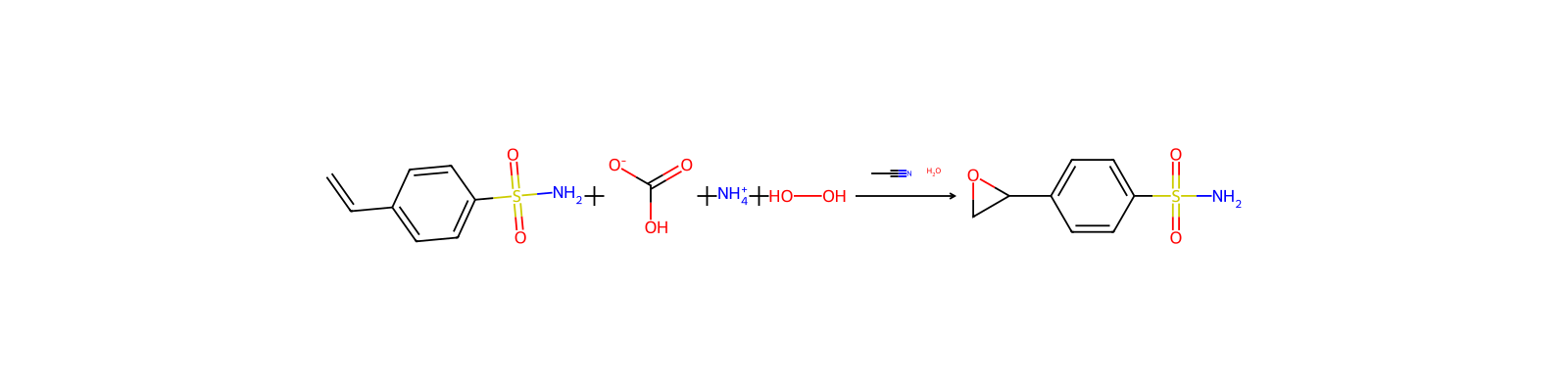
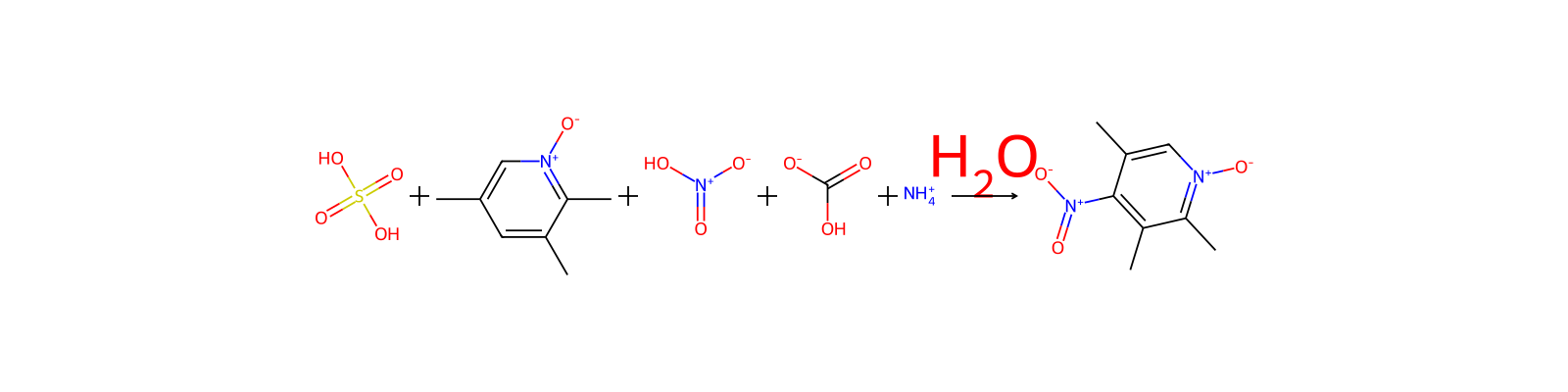
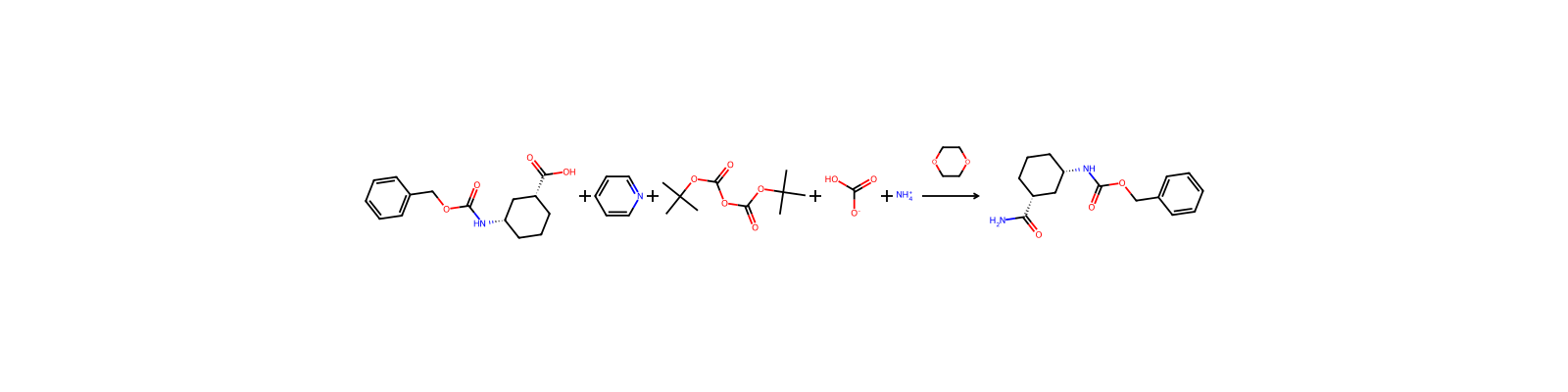
Linked notes
Loading…