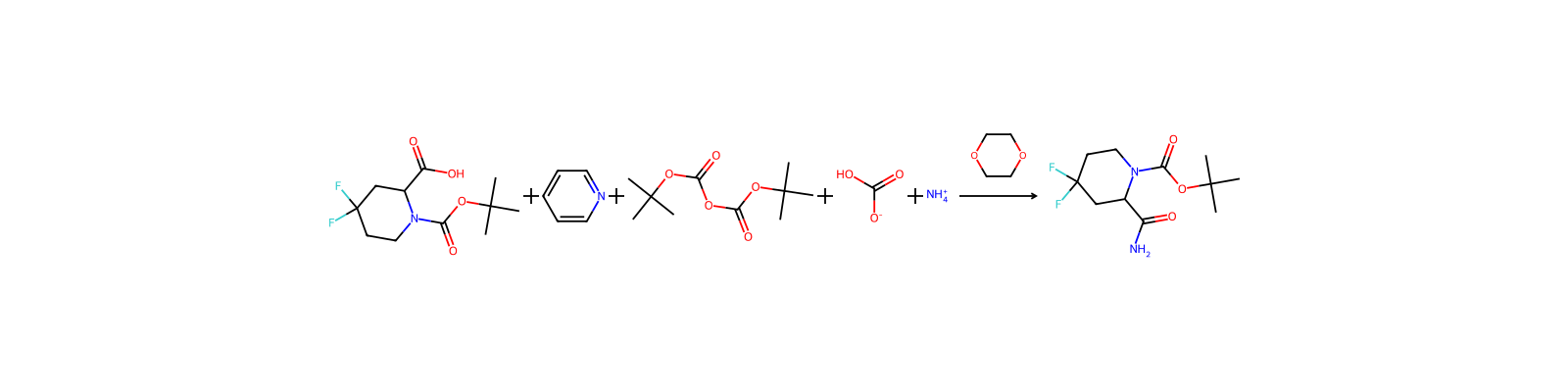
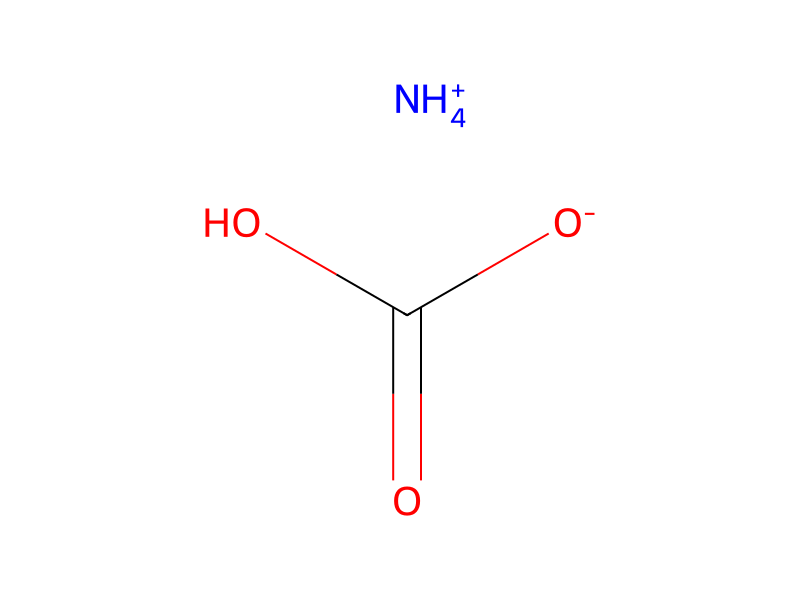
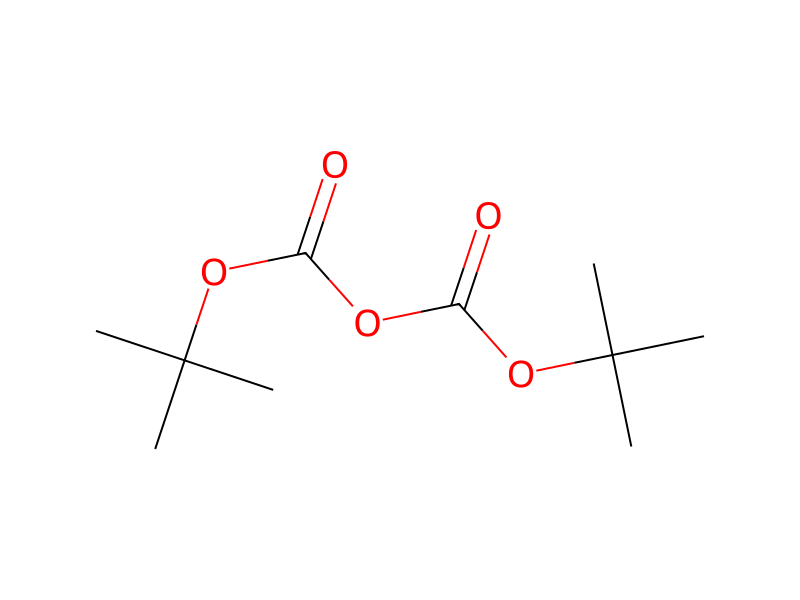
[C:1]([O:5][C:6]([N:8]1[CH2:13][CH2:12][C:11]([F:15])([F:14])[CH2:10][CH:9]1[C:16]([OH:18])=O)=[O:7])([CH3:4])([CH3:3])[CH3:2].[N:19]1C=CC=CC=1.C(OC(OC(C)(C)C)=O)(OC(C)(C)C)=O.C(=O)(O)[O-].[NH4+]>O1CCOCC1>[C:16]([CH:9]1[CH2:10][C:11]([F:15])([F:14])[CH2:12][CH2:13][N:8]1[C:6]([O:5][C:1]([CH3:4])([CH3:3])[CH3:2])=[O:7])(=[O:18])[NH2:19]To a solution of 1-tert-butoxycarbonyl-4,4-difluoro-piperidine-2-carboxylic acid, 13f, (1.67 g, 6.30 mmol) in 1,4-dioxane (12 mL) was added pyridine (0.35 mL, 4.33 mmol), followed by di-tert-butyl dicarbonate (1.78 g, 8.17 mmol) and ammonium bicarbonate (0.63 g, 7.86 mmol). The reaction mixture was stirred at room temperature overnight. The solvent was removed under reduced pressure and the residue was taken up in EtOAc. The organic phase was washed with water, aqueous saturated KHSO4 solution, brine, dried over Na2SO4, filtered and evaporated to dryness. The crude residue was used without further purification.
Loading…