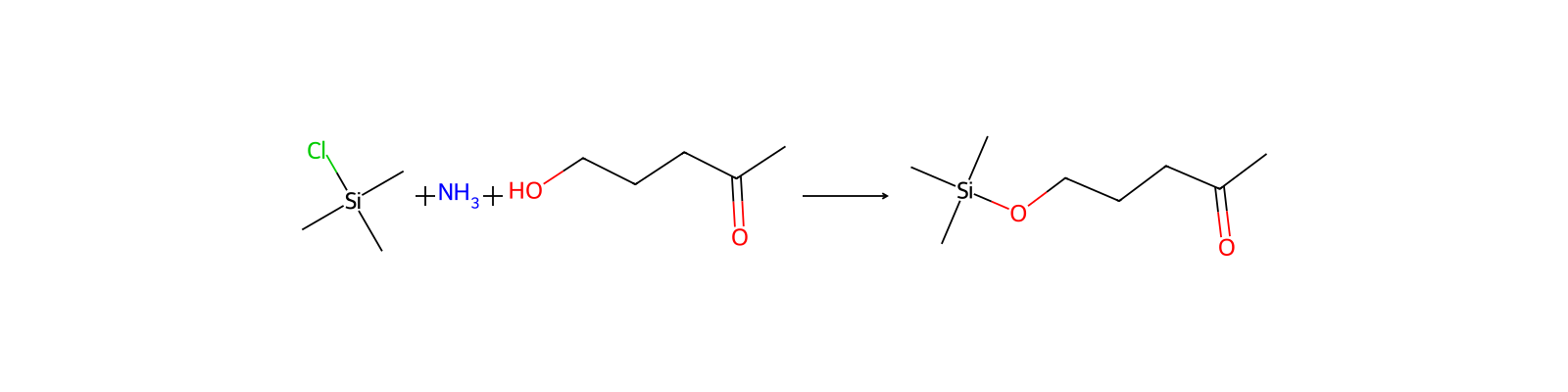
5-Hydroxy-2-pentanone
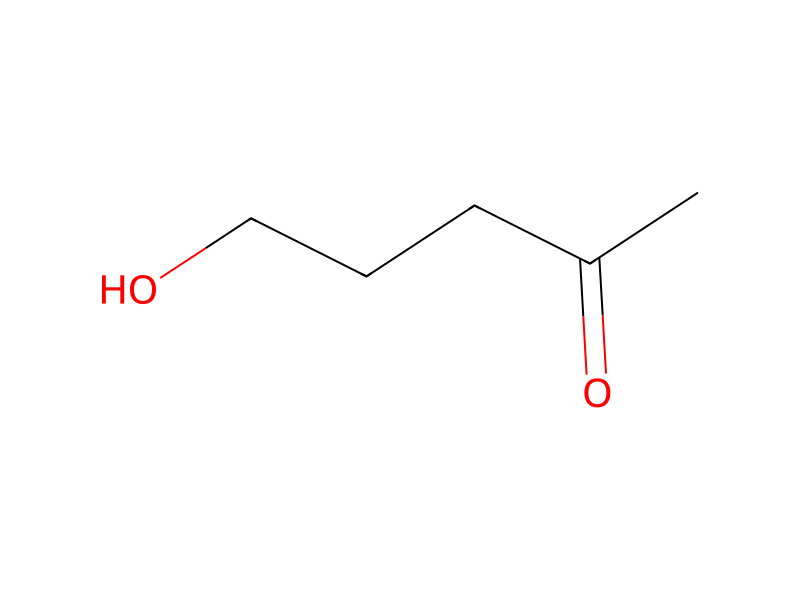
Basic information
- CAS
1071-73-4- Standard SMILES
CC(=O)CCCO- InChIKey
JSHPTIGHEWEXRW-UHFFFAOYSA-N- Molecular formula
- C5H10O2
- Average molar mass
- 102.13 g/mol
- Monoisotopic mass
- 102.06807956
Overview
5-hydroxypentan-2-one is a methyl ketone that is pentan-2-one carrying a hydroxy group at position 5. It has a role as a bacterial metabolite. It is a primary alcohol, a pentanone and a methyl ketone.
Names & identifiers
- Preferred name
- 5-Hydroxy-2-pentanone
- IUPAC
- 5-hydroxypentan-2-one
- English name
- 3-Acetyl-1-propanol
- Molecular formula
- C5H10O2
- Molecular weight
- 102.13
Names & synonyms
1071-73-45-Hydroxy-2-pentanoneAcetopropyl alcoholDTXSID30147917RefChem:109017DTXCID9070408213-994-83-Acetyl-1-propanol5-Hydroxypentan-2-one3-Acetopropanol3-Acetylpropanol2-Pentanone, 5-hydroxy-
Show more names
Hydroxypentanone-Acetopropanol-Acetylpropanol
gamma-Acetopropanol4-Oxo-1-pentanolPROPANOL, 3-ACETYL-MFCD000029615-hydroxy-pentan-2-onegamma-Acetylpropyl alcohol.gamma.-AcetopropanolNSC 19158
Database identifiers
- CAS
1071-73-4- PubChem CID
- 14066
- DTXSID
DTXSID30147917- ChEBI
CHEBI:195472- EC Number
- 213-994-8
- Nikkaji
- J35.474K
Properties
Computed structural properties
- XLogP
- -0.4
- Topological polar surface area
- 37.3 Ų
- Hydrogen bond donors
- 1
- Hydrogen bond acceptors
- 2
- Rotatable bonds
- 3
- Heavy atoms
- 7
- Formal charge
- 0
- Complexity
- 59.1
Experimental & physicochemical properties
SolventsSolvents -> Other Solvents
SpringerMaterials PropertiesOptical coefficient
Physical DescriptionColorless liquid; [Sigma-Aldrich MSDS]
Physicochemical properties
- Melting point
- 2.5 °C · 2.5°C (estimate)
- Boiling point
- 144 · 144-145 °C/100 mmHg (lit.)
- Density
- 1.007 g/mL · 1.007 g/mL at 25 °C (lit.)
- refractive index
- 20 · n20/D 1.437(lit.)
- Flash point
- 200 °F · 200 °F
- storage temp.
- 2 · 2-8°C
- pka
- 14.89 · 14.89±0.10(Predicted)
- form
- Liquid
- color
- Colorless to Light yellow to Light orange
- InChI
- InChI=1S/C5H10O2/c1-5(7)3-2-4-6/h6H,2-4H2,1H3
- InChIKey
- JSHPTIGHEWEXRW-UHFFFAOYSA-N
- SMILES
- CC(=O)CCCO
- LogP
- -0.57 · -0.570 (est)
- CAS DataBase Reference
- 1071 · 1071-73-4(CAS DataBase Reference)
- EWG's Food Scores
- 1 · 1
- NIST Chemistry Reference
- 2 · 2-Pentanone, 5-hydroxy-(1071-73-4)
- UNSPSC Code
- 12352100 · 12352100
- NACRES
- 22 · NA.22
- Symbol(GHS)
- 7 · GHS07
- Signal word
- Warning
- Hazard statements
- 227 · H227
- Precautionary statements
- 210 · P210-P280-P370+P378-P403+P235-P501
- PPE
- Eyeshields, Gloves, type ABEK (EN14387) respirator filter
- Hazard Codes
- Xi
- Risk Statements
- 36 · 36/37/38
- Safety Statements
- 37 · 37/39-26
- WGK Germany
- 2 · 2
- RTECS
- 4600000 · UA4600000
- HS Code
- 29144000 · 29144000
- Storage Class
- 10 · 10 - Combustible liquids
- Toxicity
- 50 orl-rat: · LD50 orl-rat: 6400 mg/k TNICS* 13,118,73
Safety & regulation
Safety information is for reference only and does not replace the supplier’s Safety Data Sheet (SDS), applicable regulations, or professional assessment.
GHS classification
GHS Classification
This chemical does not meet GHS hazard criteria for 97.3% (72 of 74) of all reports.
Not Classified
Aggregated GHS information provided per 74 reports by companies from 2 notifications to the ECHA C&L Inventory.
Hazard information
Hazards Summary
Causes diffuse hepatitis and somnolence in oral lethal-dose studies of mice; Causes abnormal liver function tests, changes in recordings from peripheral motor nerve, weight loss, degenerative changes to brain, and optic nerve neuropathy in repeated-dose inhalation studies of rats; [RTECS] May cause irritation; [Sigma-Aldrich MSDS] See Diacetone alcohol.
Hazard Classes and CategoriesNot Classified
Toxicology
Adverse EffectsNeurotoxin - Acute solvent syndrome
Toxicity DataLC (rat) > 2,000 mg/m3/4hr
Safety data
- PPE
- Eyeshields, Gloves, type ABEK (EN14387) respirator filter
- wgk
- 2
- rtecs
- UA4600000
- hs_code
- 29144000
- Toxicity
- LD50 orl-rat: 6400 mg/k TNICS* 13,118,73
- risk_code
- 36/37/38
- Signal word
- Warning
- Symbol(GHS)
- GHS07
- hazard_code
- Xi
- safety_code
- 37/39-26
- Storage Class
- 10 - Combustible liquids
- Hazard statements
- H227
- Precautionary statements
- P210-P280-P370+P378-P403+P235-P501
Chemistry & industry
Applications
Uses3-Acetopropanol is a substrate for alcohol dehydrogenase and is an intermediate in the synthesis of Didesethyl Chloroquine (D440960), a metabolite of Chloroquine.
Upstream & downstream products
Upstream raw materials
Downstream products
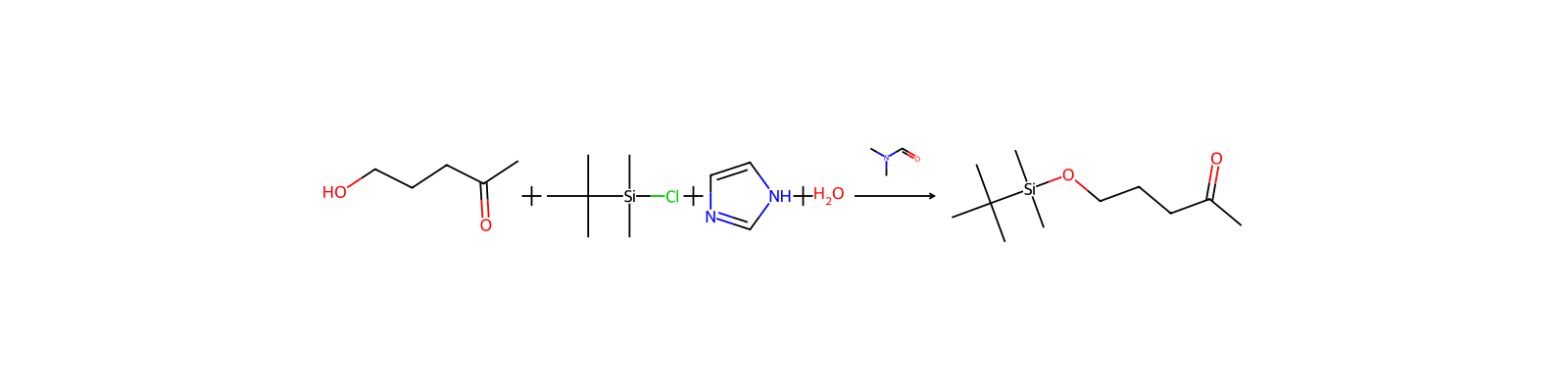
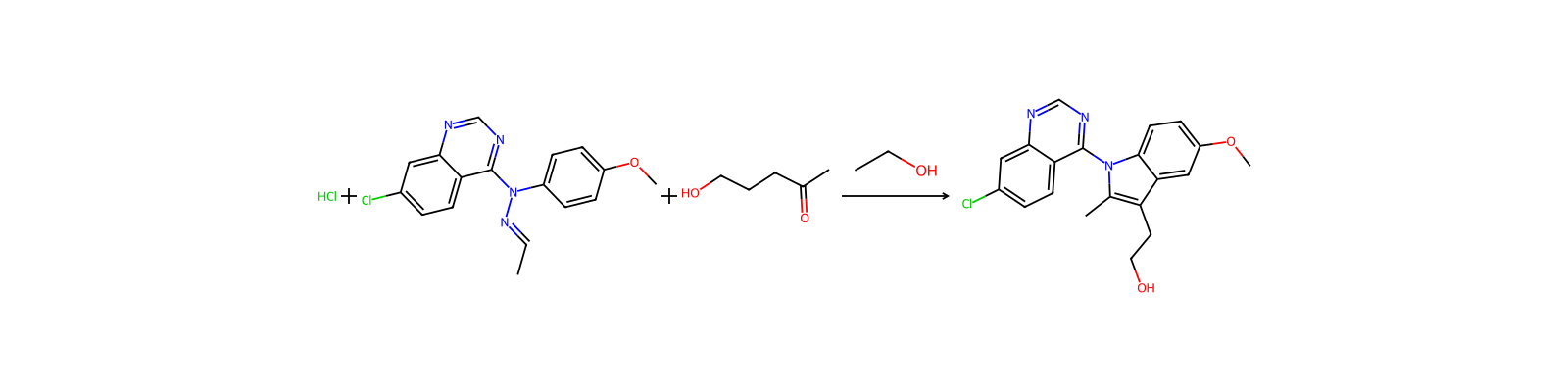
Related reactions
22 records


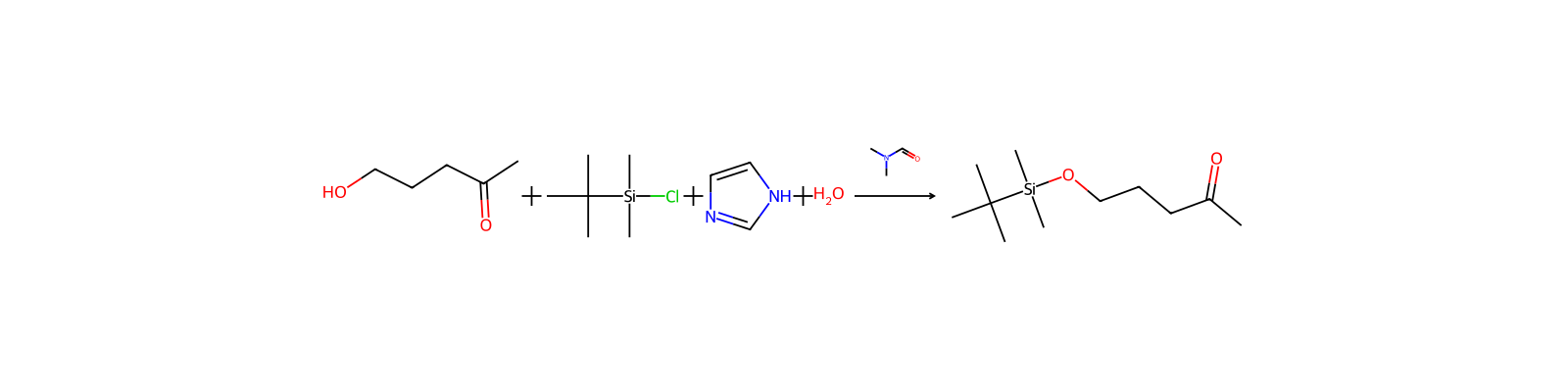
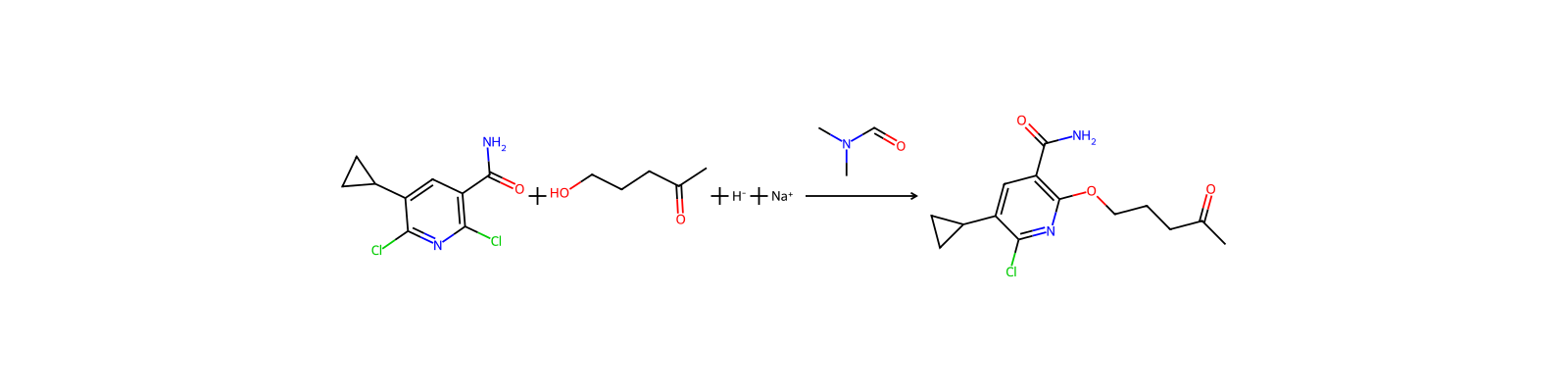
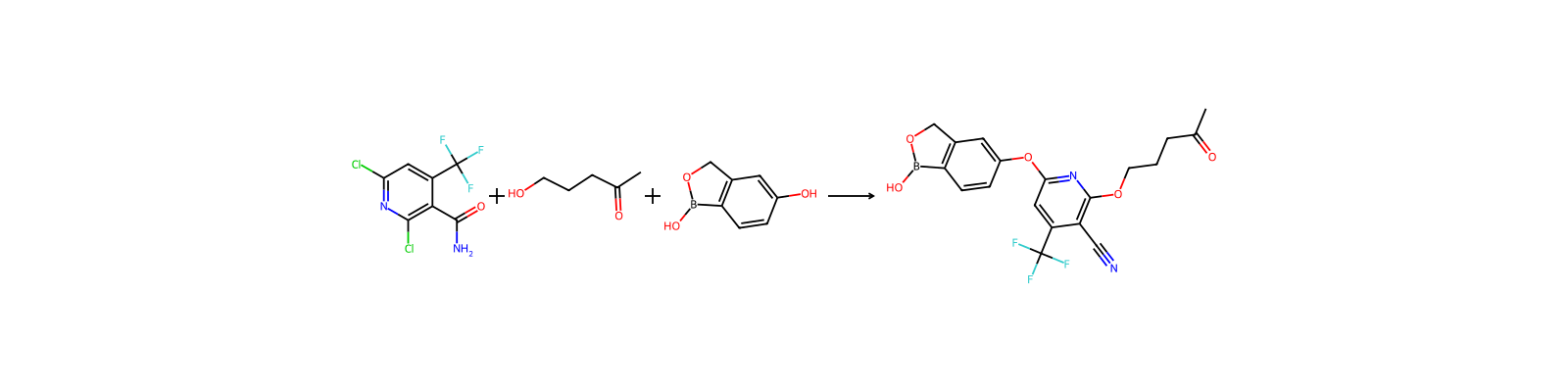
Compound notes
Loading…