
2-Pyridinecarboxaldehyde
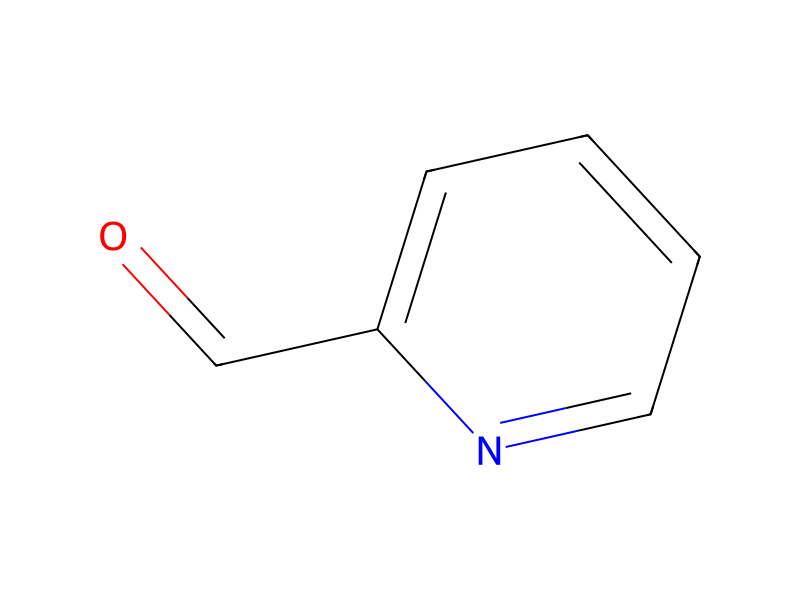
Basic information
- CAS
1121-60-4- Standard SMILES
O=Cc1ccccn1- InChIKey
CSDSSGBPEUDDEE-UHFFFAOYSA-N- Molecular formula
- C6H5NO
- Average molar mass
- 107.11 g/mol
- Monoisotopic mass
- 107.03711378
Overview
2-formylpyridine is a pyridinecarbaldehyde that is pyridine in which the hydrogen at position 2 is replaced by a formyl group.
Names & identifiers
- Preferred name
- 2-Pyridinecarboxaldehyde
- IUPAC
- pyridine-2-carbaldehyde
- English name
- 2-Pyridinecarboxaldehyde
- Molecular formula
- C6H5NO
- Molecular weight
- 107.11
Names & synonyms
2-PyridinecarboxaldehydePicolinaldehyde1121-60-4Pyridine-2-carbaldehyde2-FormylpyridinePyridine-2-aldehyde2-Picolinaldehyde2-Pyridaldehydeo-NicotinaldehydePicolinic aldehyde2-Picolinealdehyde2-Pyridylaldehyde
Show more names
PYRIDINE-2-CARBOXALDEHYDE2-Pyridinecarboxyaldehyde2-PAPicolinal2-PYRIDINECARBALDEHYDEPyridine-2-formaldehyde
2-Pyridylcarboxaldehydealpha-PicolinaldehydeKH86K8FHZ2NSC-8951DTXSID1061522CHEBI:73012RefChem:870728DTXCID3033276
Database identifiers
- CAS
1121-60-4、26445-06-7- PubChem CID
- 14273
- DTXSID
DTXSID1061522- ChEMBL
CHEMBL274794- ChEBI
CHEBI:73012- UNII
- KH86K8FHZ2
- EC Number
- 214-333-6
- Nikkaji
- J28.014C
Properties
Computed structural properties
- XLogP
- 0.4
- Topological polar surface area
- 30 Ų
- Hydrogen bond donors
- 0
- Hydrogen bond acceptors
- 2
- Rotatable bonds
- 1
- Heavy atoms
- 8
- Formal charge
- 0
- Complexity
- 82.6
Experimental & physicochemical properties
Chemical ClassesNitrogen Compounds -> Pyridines
SpringerMaterials PropertiesSchoenflies notation
LogP0.44
Vapor Pressure0.56 [mmHg]
Physical DescriptionYellow liquid; [Alfa Aesar MSDS]
Physicochemical properties
- Melting point
- 148 · 148–151 °C (298–304 °F; 421–424 K)
- Boiling point
- 181 °C · 181 °C (358 °F; 454 K)
- Density
- 1.126 g/mL · 1.126 g/mL
- vapor pressure
- 73 Pa · 73Pa at 20℃
- refractive index
- 1.54 · 1.54
- Flash point
- 77 °C · 77 °C
- storage temp.
- 2 · 2-8°C
- pka
- 3.8 · 3.8(at 20℃)
Safety & regulation
Safety information is for reference only and does not replace the supplier’s Safety Data Sheet (SDS), applicable regulations, or professional assessment.
GHS classification
GHS Classification
Danger
H226 (17.1%): Flammable liquid and vapor [Warning Flammable liquids]
P210, P233, P240, P241, P242, P243, P260, P261, P264, P264+P265, P270, P271, P272, P273, P280, P284, P301+P317, P301+P330+P331, P302+P352, P302+P361+P354, P303+P361+P353, P304+P340, P305+P354+P338, P316, P317, P319, P320, P321, P330, P332+P317, P333+P317, P362+P364, P363, P370+P378, P391, P403+P233, P403+P235, P405, and P501 (click each P-code to see the statement)
Aggregated GHS information provided per 76 reports by companies from 16 notifications to the ECHA C&L Inventory. Each notification may be associated with multiple companies.
Hazard information
Regulatory Information
Chemical: 2-Pyridinecarboxaldehyde
Status: Cease Manufacture Update: 10-05-2019 https://echa.europa.eu/registration-dossier/-/registered-dossier/25571
2-Pyridinecarbaldehyde: Does not have an individual approval but may be used under an appropriate group standard
Hazards Summary
An irritant that may cause serious eye injury; May cause skin sensitization; Harmful by ingestion; Toxic by inhalation; [Alfa Aesar MSDS] Search for (1121-60-4[EC/RN Number]) AND (sensitizer OR sensitization OR allergic) found no results; [PubMed) See Pyridine.
Hazard Classes and CategoriesFlam. Liq. 3 (17.1%)
Toxicology
Adverse EffectsSkin Sensitizer - An agent that can induce an allergic reaction in the skin.
Toxicity DataLC50 (rat) = 800 mg/m3/4hr
Chemistry & industry
Uses & manufacturing
General Manufacturing Information2-Pyridinecarboxaldehyde: ACTIVE
Applications
Uses2-Pyridinecarboxaldehyde has been used:To synthesize chitosan based bifunctionalized adsorbent.In the aldol addition reaction with pyruvate in the presence of 2-keto-3-deoxy-6-phosphogluconate aldolase (KDPG) catalyst to form (S)-4-hydroxy-2-keto-4-(2′-pyridyl)butyrate.In the condensation reaction with (S)-()-α-methylbenzylamine and (R)-(+)-α-methylbenzylamine to synthesize two chiral (S)-()- and (R)-(+)Schiff base compounds.It can also be combined with thiosemicarbazide to form 2-pyridinecarboxaldehyde thiosemicarbazone ligand (L) which can further complex with Ni(II) and Cu(II) salts (MX) to form [M(L)2X2] complexes.
Upstream & downstream products
Upstream raw materials
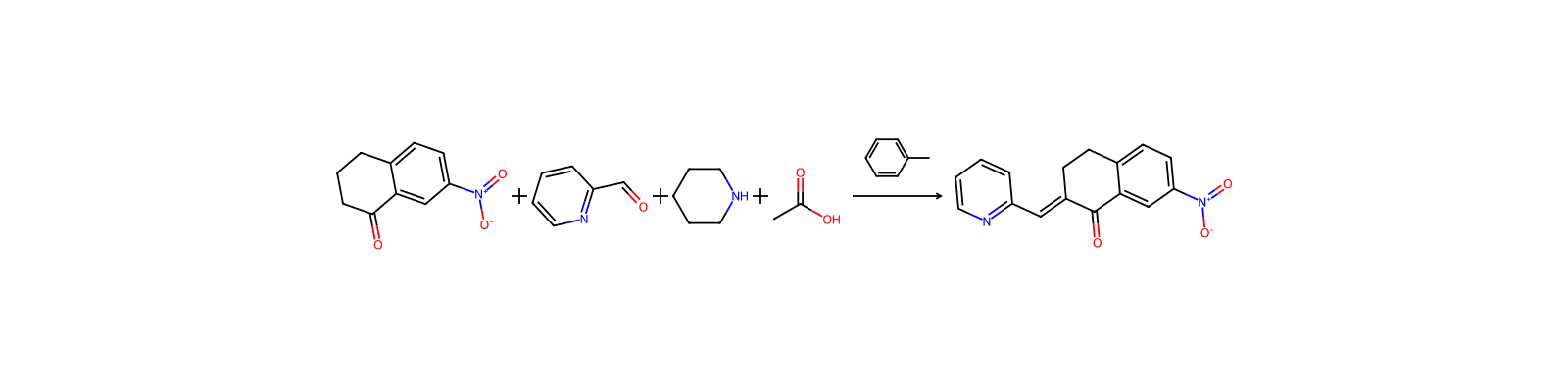
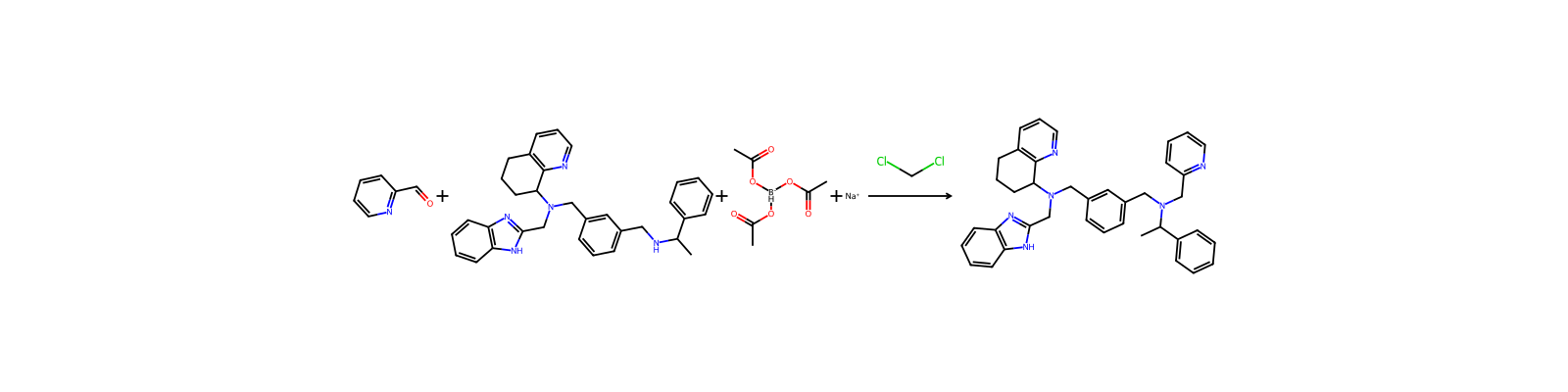
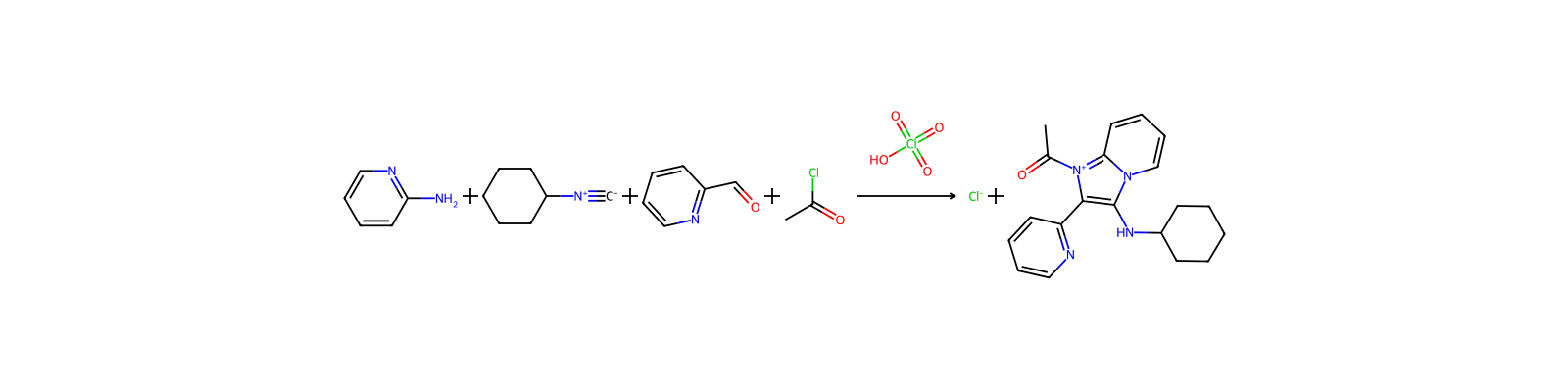
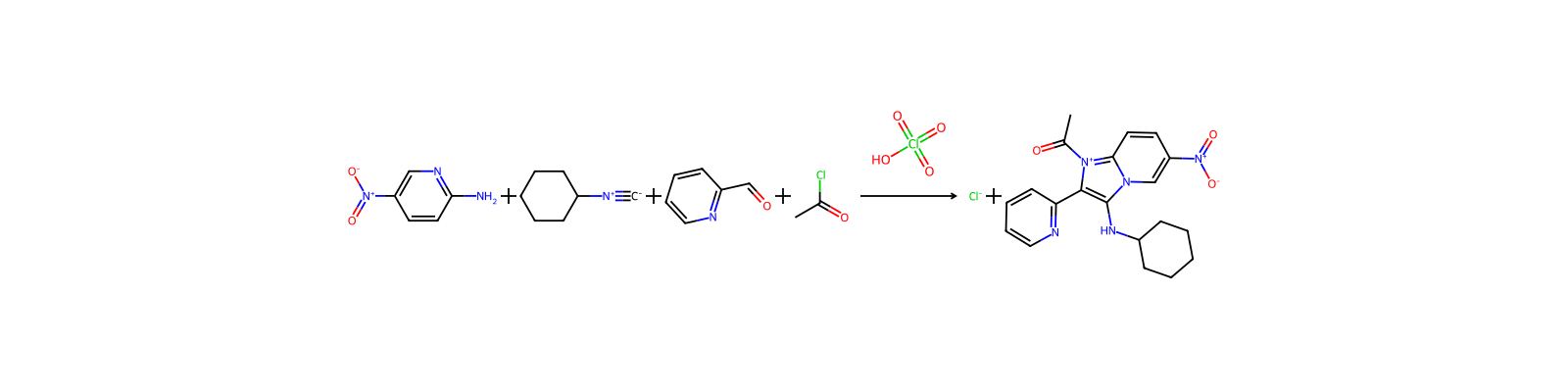
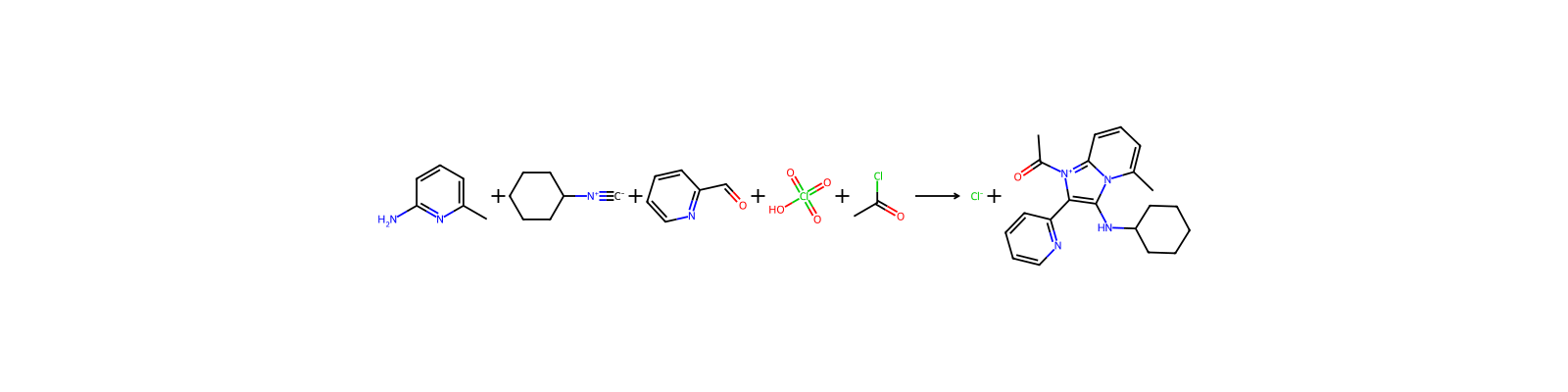
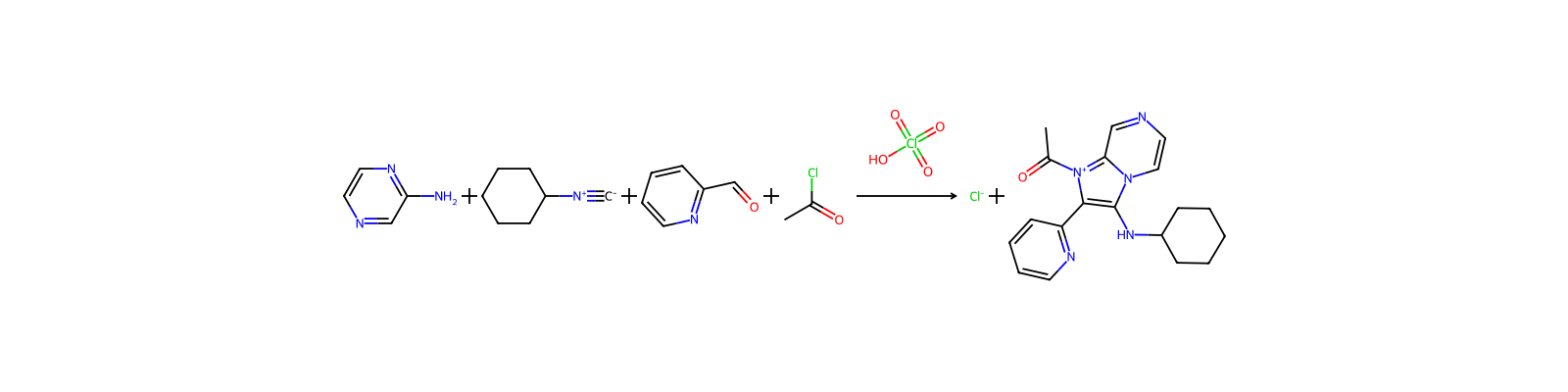
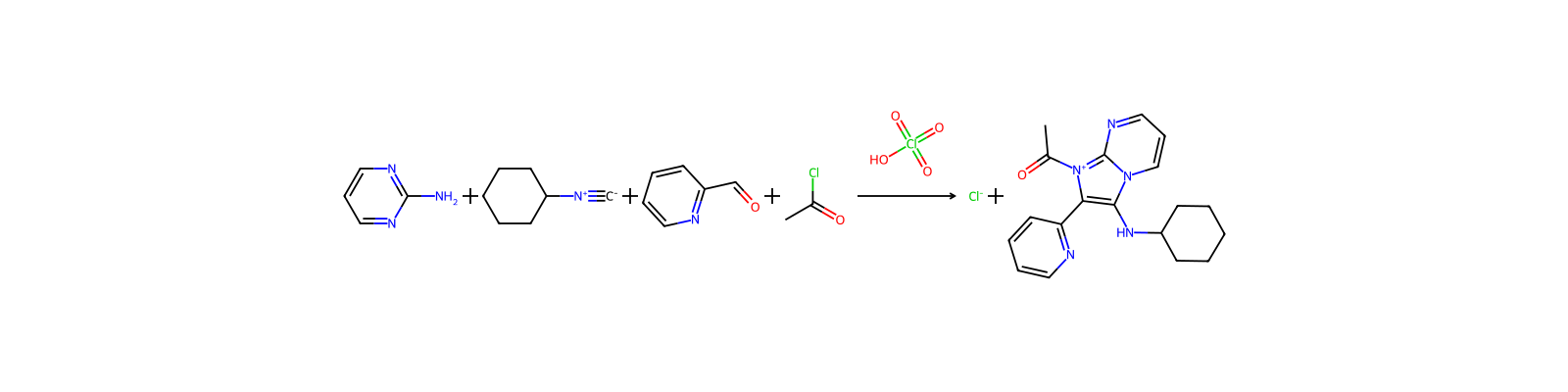
Related reactions
566 records
Compound notes
Loading…