
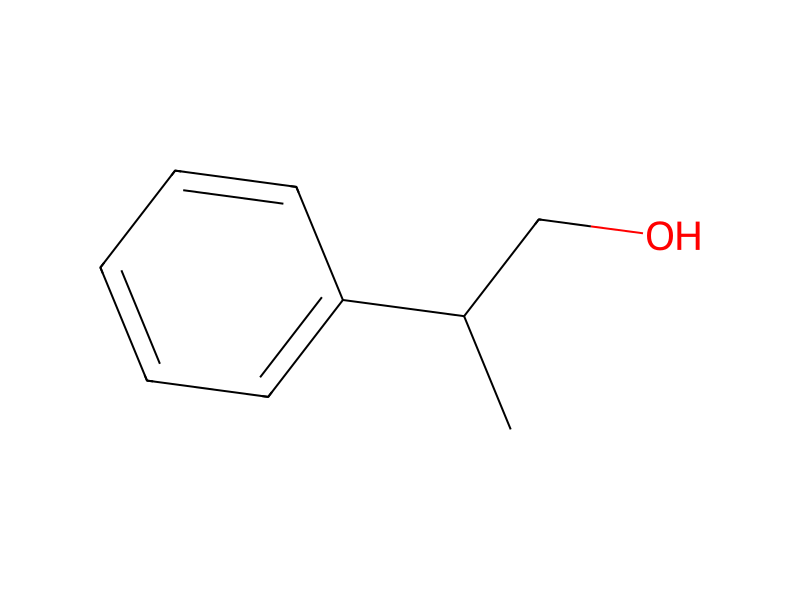
Basic information
- Standard SMILES
CC(CO)c1ccccc1- InChIKey
RNDNSYIPLPAXAZ-UHFFFAOYSA-N- Molecular formula
- C9H12O
- Average molar mass
- 136.19 g/mol
- Monoisotopic mass
- 136.088815
Names & identifiers
- Preferred name
- 2-Phenyl-1-propanol
- IUPAC
- 2-phenylpropan-1-ol
- English name
- beta-Methylphenethyl alcohol
- Molecular formula
- C9H12O
- Molecular weight
- 136.19
Names & synonyms
2-Phenylpropan-1-ol2-Phenyl-1-propanol1123-85-9Hydratropic alcoholbeta-Methylphenethyl alcohol2-Phenylpropyl alcoholHydratropyl alcohol1-Hydroxy-2-phenylpropane2-Phenylpropanol-11-Propanol, 2-phenyl-Benzeneethanol, beta-methyl-FEMA No. 2732
Show more names
FEMA 27322-PHENYL PROPYL ALCOHOL3-Bromo-β2-phenylpropan-HYDRATROPAALKOHOLhydratropylalcohol
DTXSID8037756NSC-523227ZYZ88DWUPHENETHYL ALCOHOL, beta-METHYL-DTXCID6017756RefChem:478219214-379-7Benzeneethanol, .beta.-methyl-
Database identifiers
- CAS
1123-85-9- PubChem CID
- 14295
- DTXSID
DTXSID8037756- ChEMBL
CHEMBL2323841- ChEBI
CHEBI:193640- UNII
- 27ZYZ88DWU
- EC Number
- 214-379-7
- Nikkaji
- J69.580G
Properties
Computed structural properties
- XLogP
- 2.4
- Topological polar surface area
- 20.2 Ų
- Hydrogen bond donors
- 1
- Hydrogen bond acceptors
- 1
- Rotatable bonds
- 2
- Heavy atoms
- 10
- Formal charge
- 0
- Complexity
- 84
Experimental & physicochemical properties
Density0.971-0.978
Solubility
Soluble in oils; Slightly soluble in water
Soluble (in ethanol)
Boiling Point
113.00 to 114.00 °C. @ 14.00 mm Hg
219 °C
Refractive Index1.523-1.530
Physical Description
Colorless liquid; [Alfa Aesar MSDS]
Colourless liquid; Sweet floral lilac, hyacinth type aroma
Kovats Retention Index
1144.6
1179
1975.1;1920
Physicochemical properties
- Melting point
- -37 °C · -37 °C
- Boiling point
- 110 · 110-111 °C/10 mmHg (lit.)
- Density
- 0.975 g/mL · 0.975 g/mL at 25 °C (lit.)
- vapor pressure
- 3.45 hPa · 3.45hPa at 25℃
- FEMA
- 2732 · 2732 | BETA-METHYLPHENETHYL ALCOHOL
- refractive index
- 20 · n20/D 1.526(lit.)
- FLAVIS Number
- 2.073 · 02.073 | 2-Phenylpropan-1-ol
- Flash point
- 201 °F · 201 °F
- storage temp.
- Sealed in dry,Room Temperature
- form
- clear liquid
- pka
- 14.79 · 14.79±0.10(Predicted)
- Specific Gravity
- 1.015 · 1.015
- color
- Colorless to Almost colorless
- Odor
- 100 % · at 100.00 %. green spicy hyacinth balsam lilac honeysuckle
- Odor Type
- balsamic
- biological source
- synthetic
- Water Solubility
- insoluble
- JECFA Number
- 1459 · 1459
- BRN
- 1906760 · 1906760
- Major Application
- flavors and fragrances
- Cosmetics Ingredients Functions
- PERFUMING
- InChI
- 1S/C9H12O/c1-8(7-10)9-5-3-2-4-6-9/h2-6,8,10H,7H2,1H3
- InChIKey
- RNDNSYIPLPAXAZ-UHFFFAOYSA-N
- SMILES
- CC(CO)c1ccccc1
- LogP
- 1.8 at · 1.8 at 20℃
- CAS DataBase Reference
- 1123 · 1123-85-9(CAS DataBase Reference)
- Substances Added to Food (formerly EAFUS)
- BETA-METHYLPHENETHYL ALCOHOL
- FDA UNII
- 27 ZYZ88DWU · 27ZYZ88DWU
- NIST Chemistry Reference
- Benzeneethanol, «beta»-methyl-(1123-85-9)
- EPA Substance Registry System
- Benzeneethanol, .beta.-methyl- (1123-85-9)
- UNSPSC Code
- 12352100 · 12352100
- NACRES
- 22 · NA.22
- Symbol(GHS)
- 7 · GHS07
- Signal word
- Warning
- Hazard statements
- 302 · H302
- Precautionary statements
- 280 f · P280f
- PPE
- Eyeshields, Gloves, multi-purpose combination respirator cartridge (US)
- Hazard Codes
- Xn
- Risk Statements
- 22 · 22
- Safety Statements
- 23 · 23-24/25-36
- WGK Germany
- 2 · 2
- RTECS
- 8590000 · SG8590000
- TSCA
- TSCA listed
- HS Code
- 29062900 · 29062900
- Storage Class
- 10 · 10 - Combustible liquids
- REACH Registrations
- Active
Safety & regulation
GHS classification
GHS Classification
This chemical does not meet GHS hazard criteria for 93.1% (268 of 288) of all reports.
Not Classified;Reported as not meeting GHS hazard criteria by 268 of 288 companies (only 6.9% companies provided GHS information). For more detailed information, please visit ECHA C&L website.
Aggregated GHS information provided per 288 reports by companies from 5 notifications to the ECHA C&L Inventory.;Reported as not meeting GHS hazard criteria per 268 of 288 reports by companies.;There are 4 notifications provided by 20 of 288 reports by companies with hazard statement code(s).;Information may vary between notifications depending on impurities, additives, and other factors. The percentage value in parenthesis indicates the notified classification ratio from companies that provide hazard codes. Only hazard codes with percentage values above 10% are shown. For more detailed information, please visit ECHA C&L website.
Hazard information
Regulatory Information
Chemical: Benzeneethanol, .beta.-methyl-
Commission Regulation (EC) No 1565/2000 (Repealed by Com. Implementing Reg. (EU) No 872/2012)
Status: Active Update: 09-12-2019 https://echa.europa.eu/registration-dossier/-/registered-dossier/30222
Benzeneethanol, .beta.-methyl-: Does not have an individual approval but may be used under an appropriate group standard
Other Safety InformationEvaluation - Chemicals that are unlikely to require further regulation to manage risks to environment
Hazards Summary
Causes changes in liver, bladder, and kidney weights, changes in erythrocyte count, normocytic anemia, and weight loss in 13-week oral studies of rats; [RTECS] Safe when used as a flavoring agent in food; [JECFA] May cause irritation; Harmful by ingestion; [Alfa Aesar MSDS]
Hazard Classes and CategoriesNot Classified
Regulatory information
Regulatory Information
Chemical: Benzeneethanol, .beta.-methyl-
Commission Regulation (EC) No 1565/2000 (Repealed by Com. Implementing Reg. (EU) No 872/2012)
Status: Active Update: 09-12-2019 https://echa.europa.eu/registration-dossier/-/registered-dossier/30222
Benzeneethanol, .beta.-methyl-: Does not have an individual approval but may be used under an appropriate group standard
Safety data
- PPE
- Eyeshields, Gloves, multi-purpose combination respirator cartridge (US)
- wgk
- 2
- tsca
- TSCA listed
- rtecs
- SG8590000
- hs_code
- 29062900
- risk_code
- 22
- Signal word
- Warning
- Symbol(GHS)
- GHS07
- hazard_code
- Xn
- safety_code
- 23-24/25-36
- Storage Class
- 10 - Combustible liquids
- Hazard statements
- H302
- REACH Registrations
- Active
- Precautionary statements
- P280f
Chemistry & industry
Pharmacology
Cellular LocationsCytoplasm;Extracellular
Uses & manufacturing
UsesUsed as a flavoring agent; [FDA]
Use Classification
Fragrance Ingredients
Flavouring Agent -> FLAVOURING_AGENT -> JECFA Functional Classes
Flavoring Agents -> JECFA Flavorings Index
Flavouring Agent -> FLAVOURING_AGENT -> JECFA Functional Classes
General Manufacturing InformationBenzeneethanol, .beta.-methyl-: ACTIVE
Applications
Descriptionβ-Methylphenethyl alcohol has a faint, aromatic odor reminiscent of hyacinth. May be prepared by reduction of the corresponding aldehyde with zinc and acetic acid and subsequent saponification of the sodium salt; two optically active isomers (d- and l-) are known.
Uses2-Phenyl-1-propanol was used to study the synergism between enzyme catalysis and microwave irradiation.
General DescriptionThe mass spectra of 2-phenyl-1-propanol was studied by positive- and negative-ion-fast atom bombardment-mass spectrometric ionization technique.
Preparation methods
PreparationBy reduction of the corresponding aldehyde with zinc and acetic acid and subsequent saponification of the sodium salt; two optically active isomers (d- and l-) are known
Upstream & downstream products
Upstream raw materials
Downstream products
Suppliers50 total
梯希爱(上海)化成工业发展有限公司021-67121386 · [email protected]
南京世洲生物科技有限公司025-85560043 15850508050 · [email protected]
上海阿拉丁生化科技股份有限公司400-6206333 13167063860 · [email protected]
Career Henan Chemica Co+86-0371-86658258 +86-13203830695 · [email protected]
Hebei Zhuanglai Chemical Trading Co Ltd+86-16264648883 · [email protected]
广州纳珑化工有限公司13192879270; 13192879270 · [email protected]
上海麦克林生化科技股份有限公司021-50706066 15221275939 · [email protected]
武汉欣扬瑞和化学科技有限公司13720274133 · [email protected]
武汉欣扬瑞和化学科技有限公司153-07155313 15307155313 · [email protected]
Dayang Chem (Hangzhou) Co.,Ltd.+86-0571-88938639 17705817739 · [email protected]
阳谷荣科商贸有限公司0635-6725226 15863541132 · [email protected]
毕佳索(上海毕得医药科技股份有限公司)400-6005915 · [email protected]
Syntechem Co.,Ltd[email protected]
北京索莱宝科技有限公司010-50973130 17801761073 · [email protected]
河南英田生物科技有限公司0370-4053511; 18339993703 · [email protected]
阿法埃莎(中国)化学有限公司400-6106006 · [email protected]
安耐吉化学&3A(安徽泽升科技股份有限公司)400-0056266 · [email protected]
梯希爱(上海)化工贸易有限公司021-61109150 · [email protected]
广东云星生物技术有限公司0751-18902340975/189023400307 18902340307 · [email protected]
广东方信生物科技有限公司0751-2838688 13376594225 · [email protected]
JINING XINHE CHEMICAL CO., LTD+8615318402391 · [email protected]
上海泰坦科技股份有限公司400-6009262 15618770481 · [email protected]
武汉丰泰威远科技有限公司+86-27-8746-5837 +86-18627785180 · [email protected]
武汉丰泰威远科技有限公司027-87465837 19945049750 · [email protected]
湖北成海化工有限公司027-59220433 18327245847 · [email protected]
湖北微斯汀科技有限公司027-61182895 13367240285 · [email protected]
上海毕楷科技有限公司18516304666
玛雅试剂+86 (573) 82222445 (0)18006601000 452520369 · [email protected]
ZHEJIANG JIUZHOU CHEM CO., LTD+86-0576225566889 +86-13454675544 · [email protected];[email protected];[email protected]
湖南汇百侍生物科技有限公司0731-85526065 13308475853 · [email protected]
江苏艾康生物医药研发有限公司025-66113011 13913916777 · [email protected]
TCI AMERICA800-4238616 · [email protected]
TOKYO CHEMICAL INDUSTRY CO., LTD.03-36680489 · [email protected]
TCI Europe320-37350700 · [email protected]
成都麦卡希化工有限公司028-85632863 18108198598 · [email protected]
金瓯生物医药(南京)有限公司13000000000 · [email protected]
上海毕得医药科技股份有限公司400-164-7117 18317119277 · [email protected]
湖南华腾制药有限公司400-8592883 · [email protected]
阳谷荣科商贸有限公司15863541132 · [email protected]
青岛海智微元生物科技有限公司18317699790 18317699790 · [email protected]
上海倍殊生物科技有限公司+86 21 59971736 · [email protected]
普善实业(陕西)有限公司029-81310890 18165209495 · [email protected]
Sigma-Aldrich西格玛奥德里奇(上海)贸易有限公司021-61415566 800-8193336 · [email protected]
天津荣燊化工有限公司18317763565; 18317763565 · [email protected]
康迪斯化工(湖北)有限公司13343438265 · [email protected]
上海昕凯医药科技有限公司21-619849051-1 18521059765 · [email protected]
九鼎化学(上海)科技有限公司4009209199 · [email protected]
广东翁江化学试剂有限公司0751-2815987 13927875076 · [email protected]
湖北恒绿源科技有限公司027-88188016 18717196322 · [email protected]
HANGZHOU LEAP CHEM CO., LTD.+86-571-87711850 +86-15355479329 · [email protected]
Additional notes
DefinitionChEBI: 2-Phenyl-1-propanol is a member of benzenes.
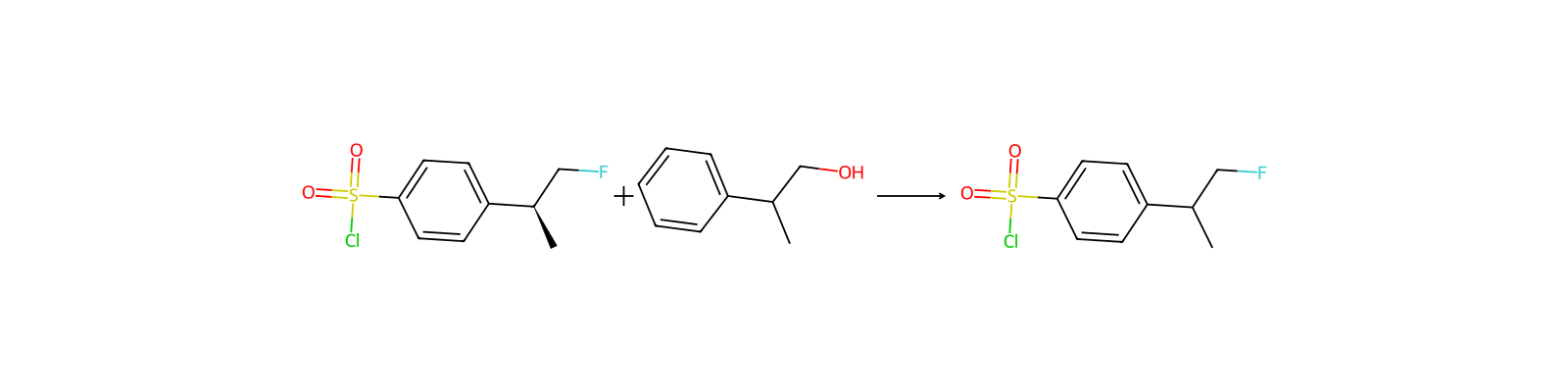
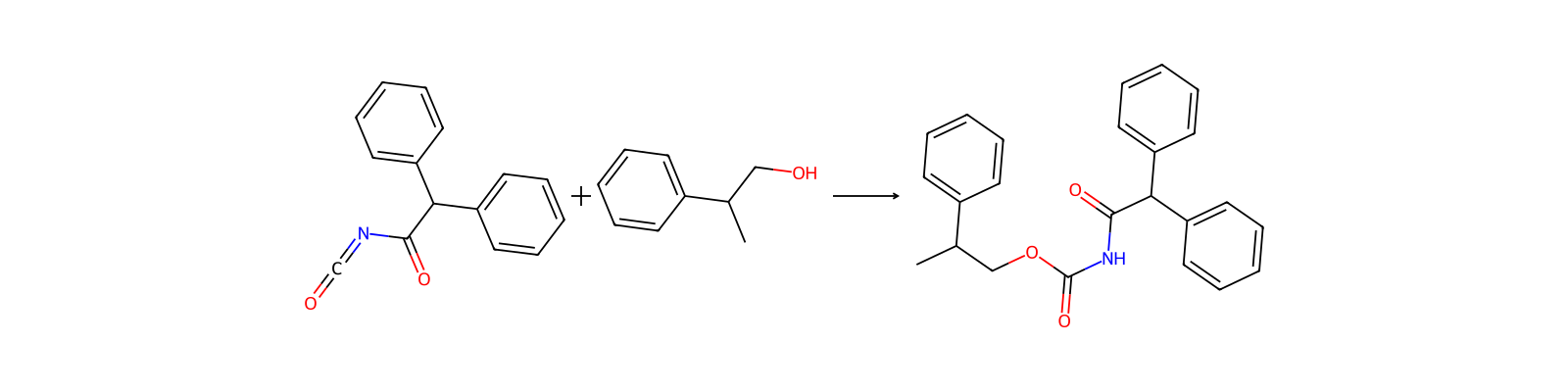
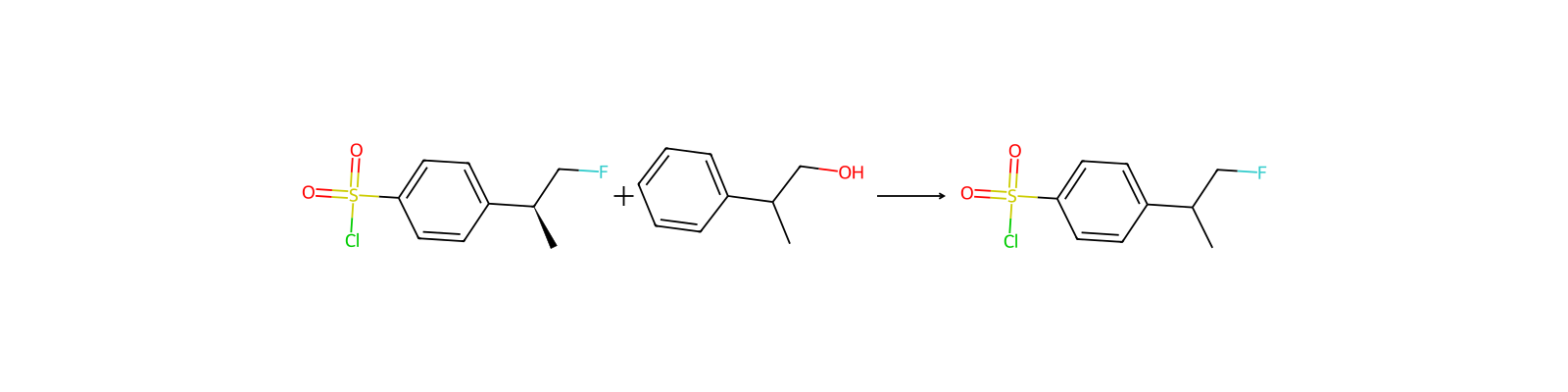
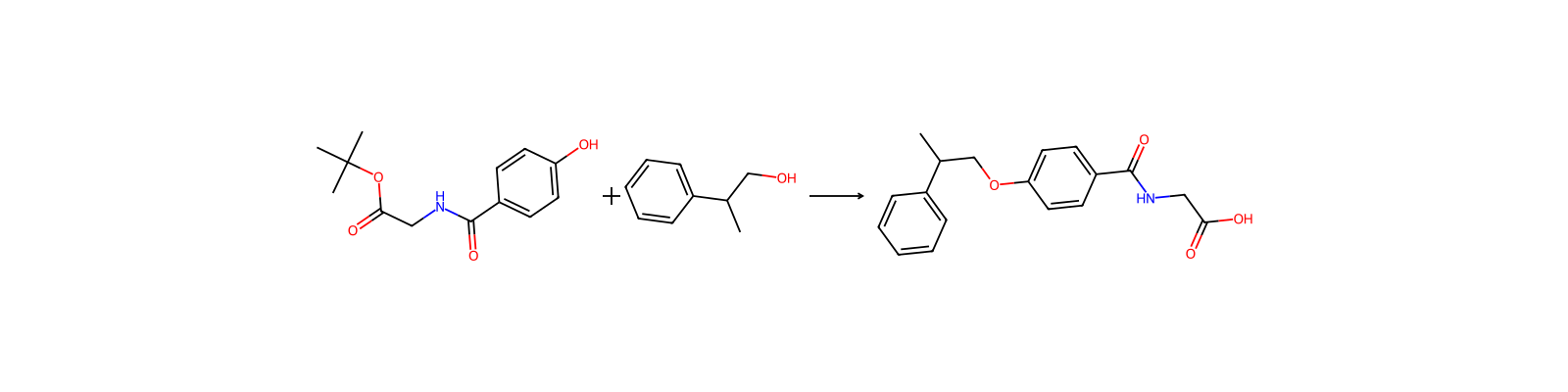
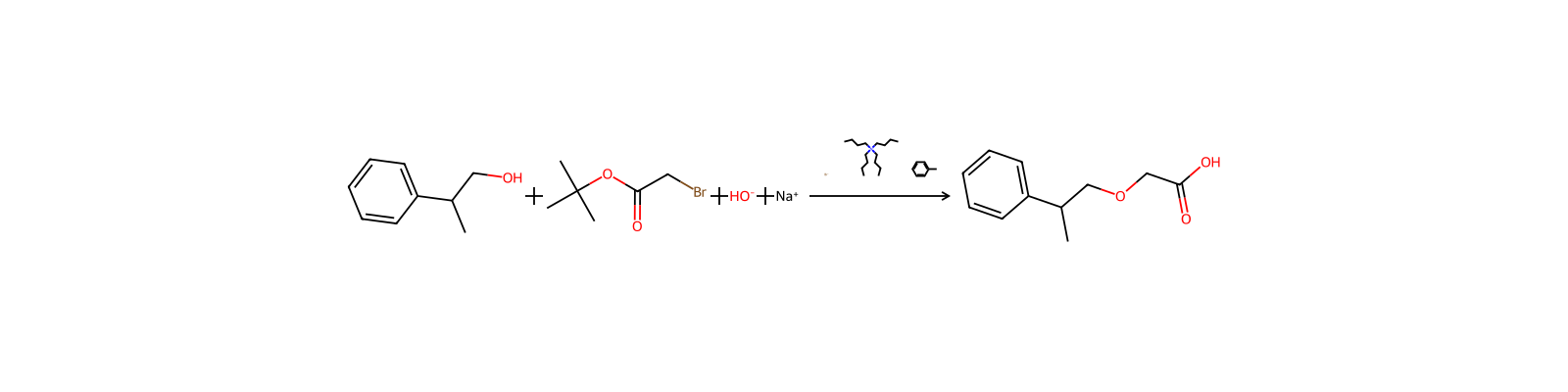
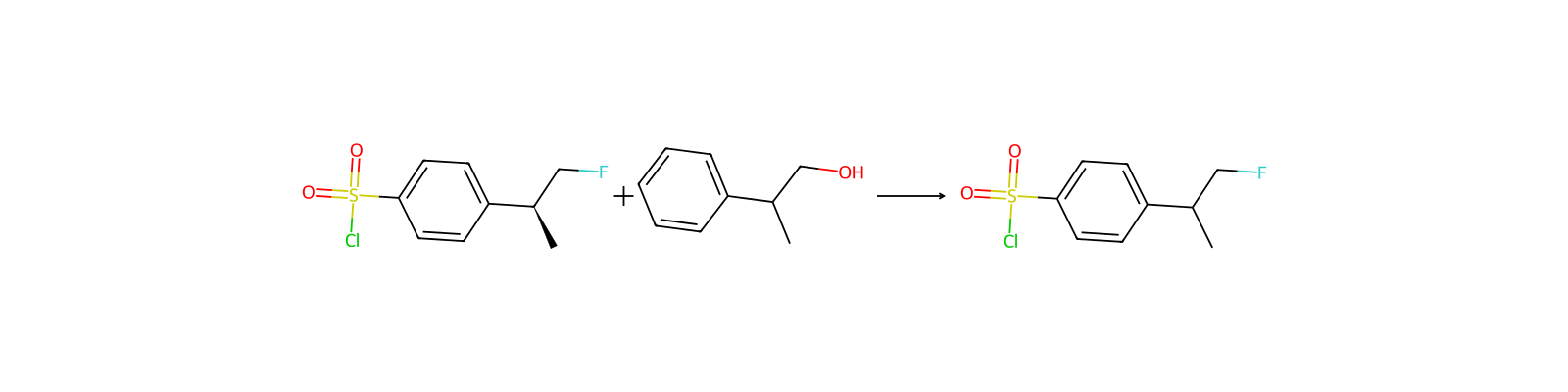
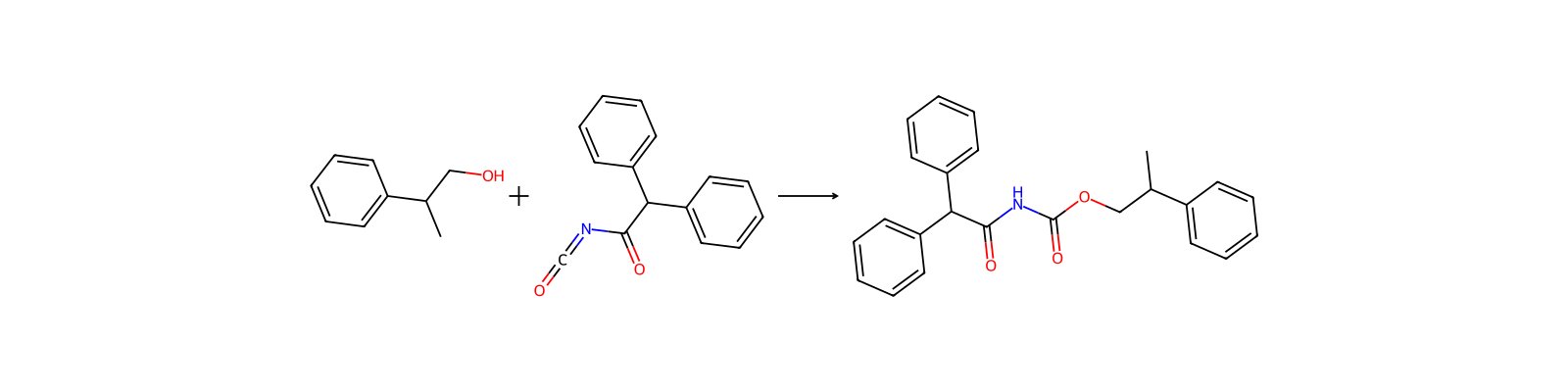
Related reactions
32 records
Linked notes
Loading…